Monday, December 29th - Transfer to Tokyo
Time to get back to Tokyo. I stayed in a different hotel near Shimbashi station this time. Since all my hotels were budget options, I wanted to hedge my bets in case one of them absolutely sucked, but all the places I stayed were pretty nice.
I had reserved a seat on the Shinkansen in advance, but woke up way too early. I was still able to change my reservation to an earlier train, but still had to wait an hour for a train that had a window seat on the left side available.
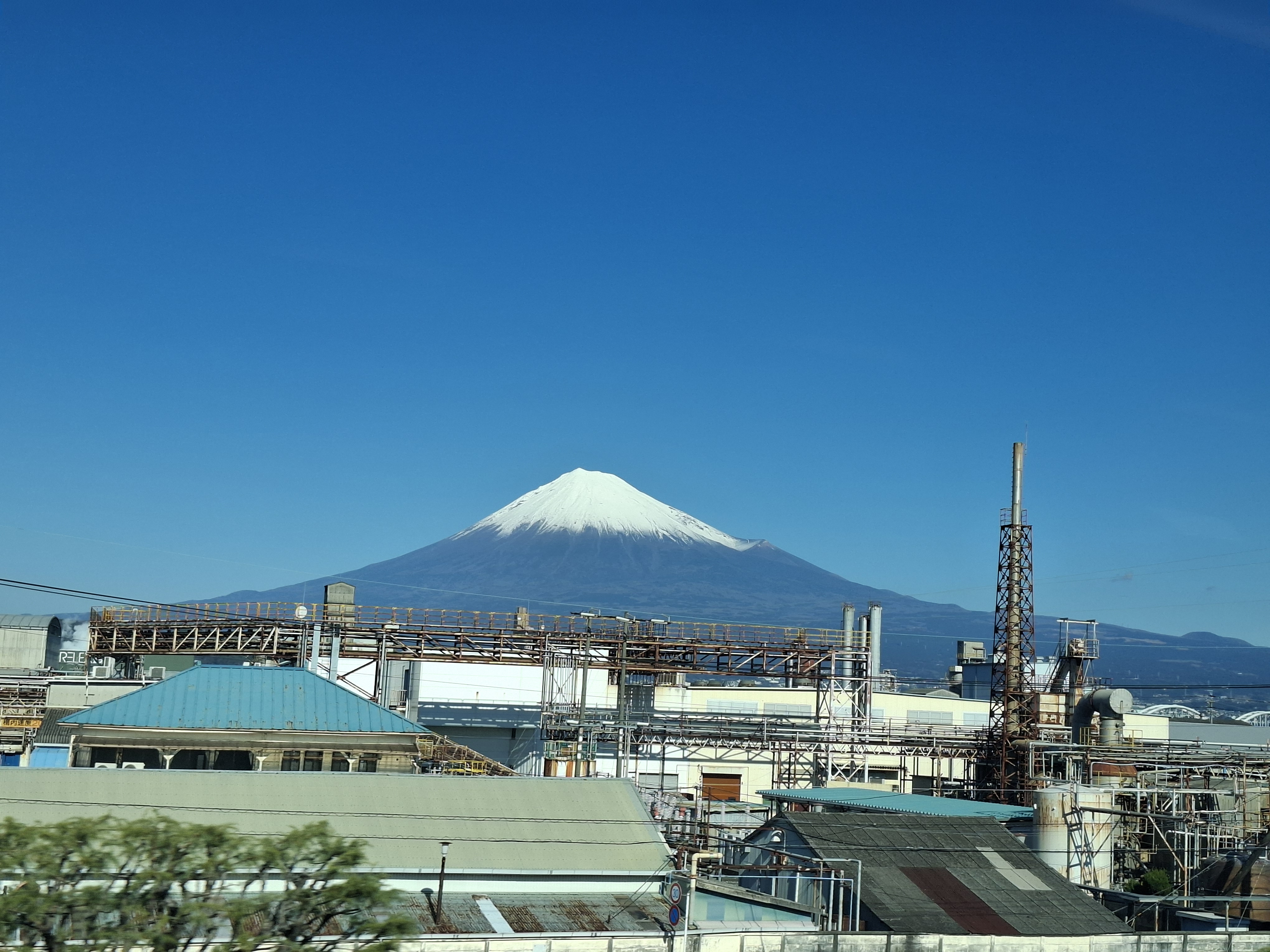
Worth it.
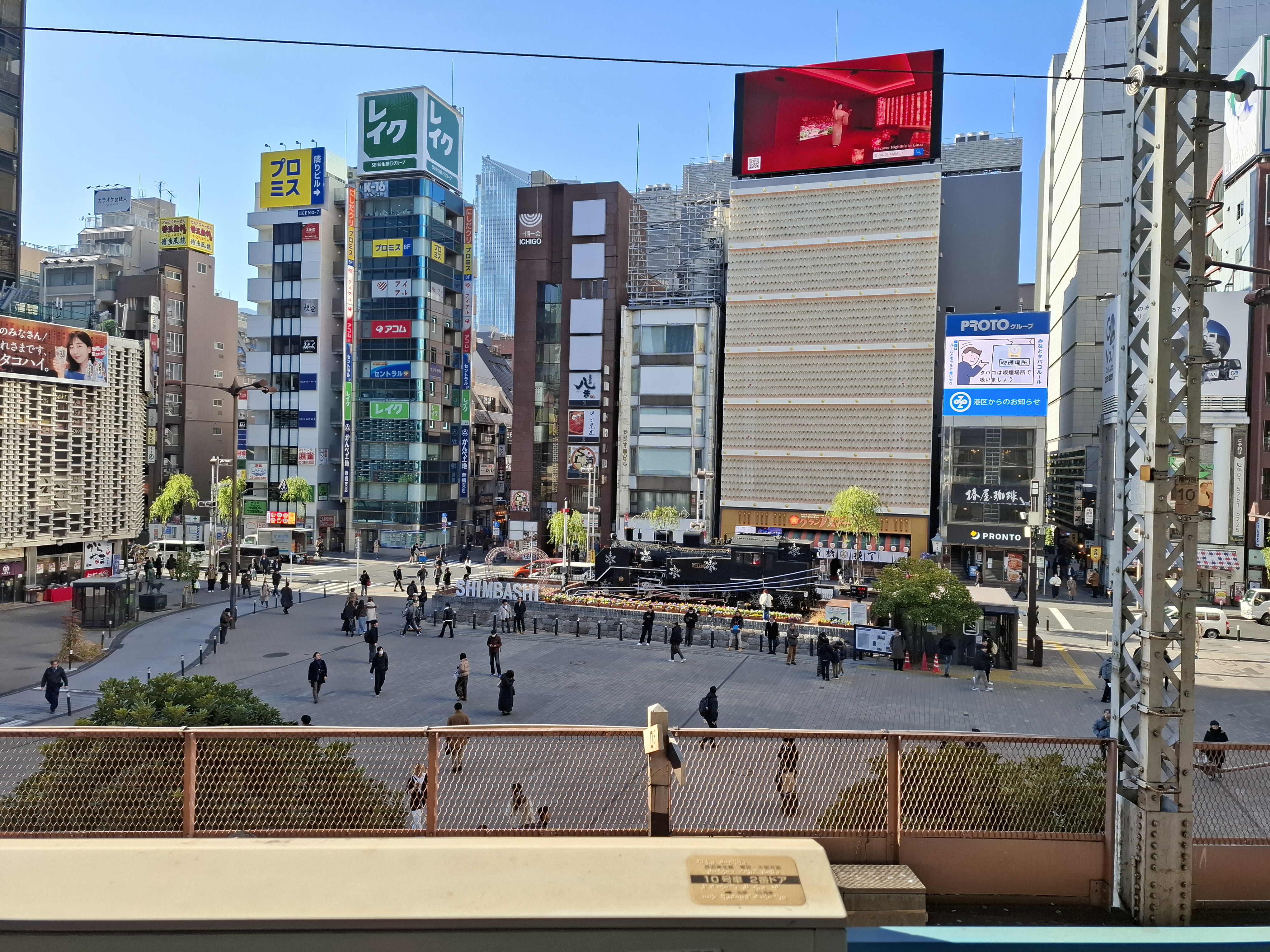
Shimbashi station plaza, as seen from the northbound Yamanote/Keihin-Tohoku Line platform.
Tuesday, December 30th - Oarai
I had rewatched “Girls und Panzer”, one of my guilty pleasure anime, shortly before my trip, and was curious to see the town that series is partially set in. Oarai is in Ibaraki prefecture and can be reached in a bit less than two hours from Tokyo.
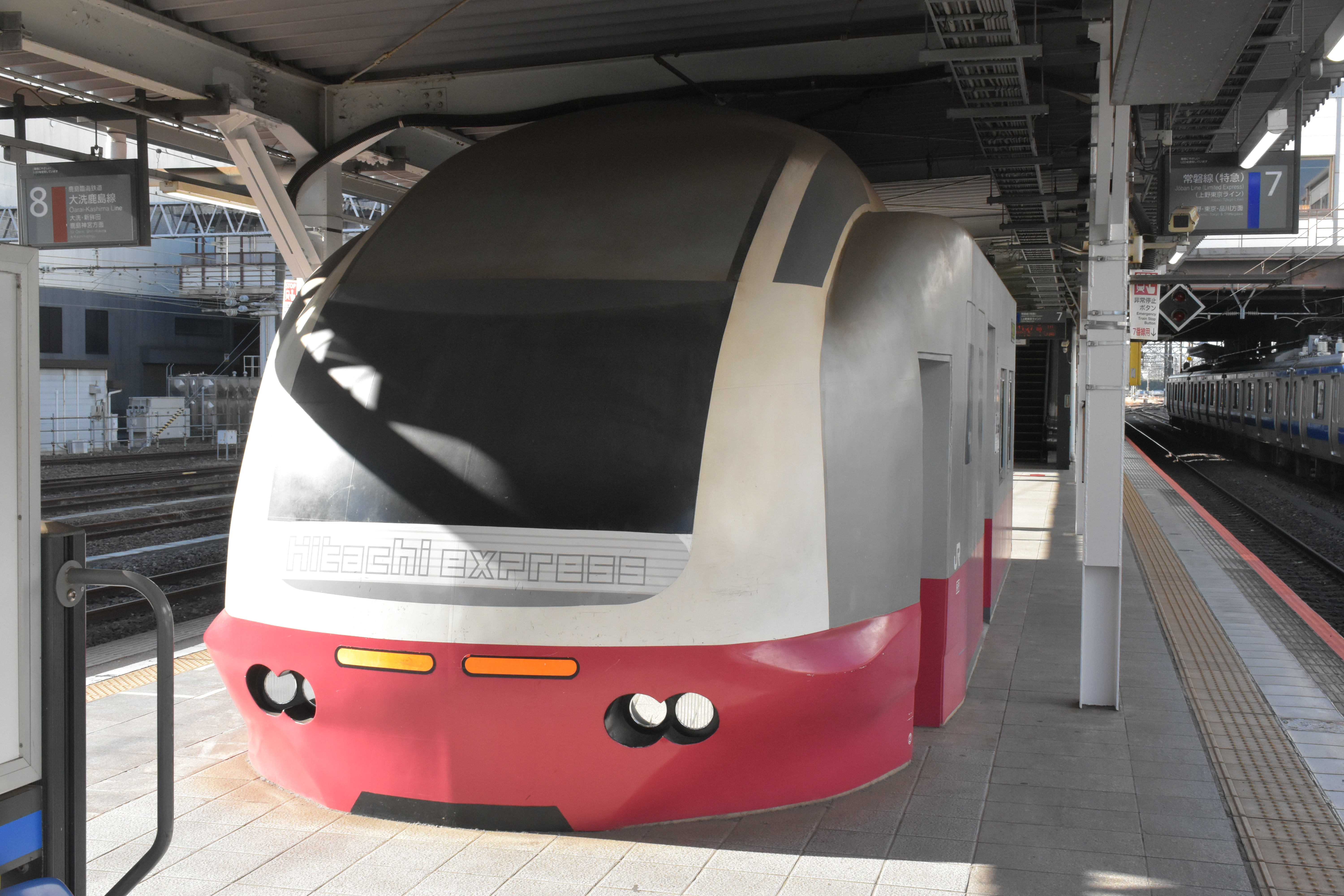
I took the Tokiwa Limited Express to Mito Station, where the waiting rooms are modelled after the E653 Series EMUs used on many Joban Line express trains.
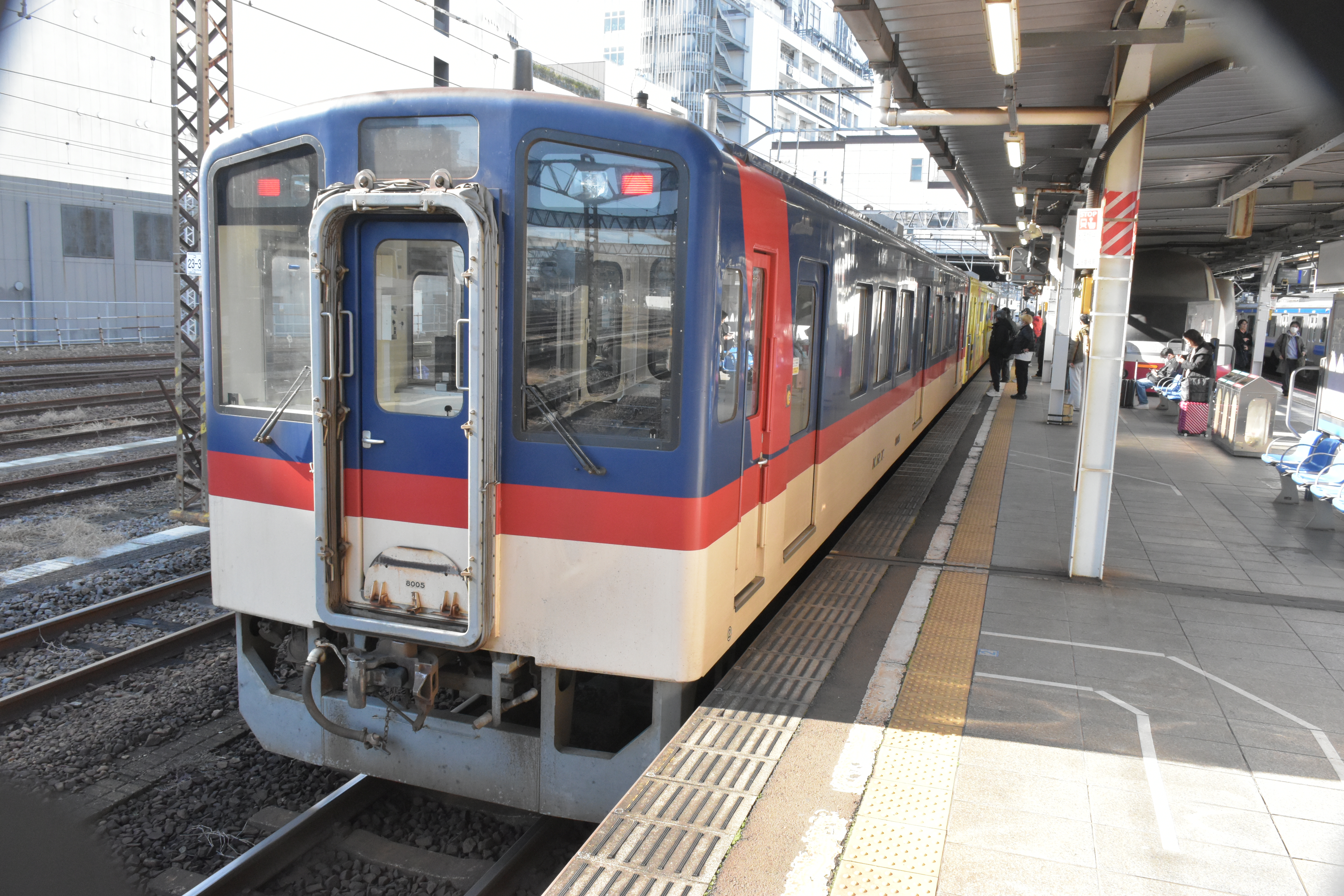
There, I needed to change onto the Kashima Rinkai Tetsudo (KRT). Unfortunately, my lens hood had come loose and it took me a while to notice.
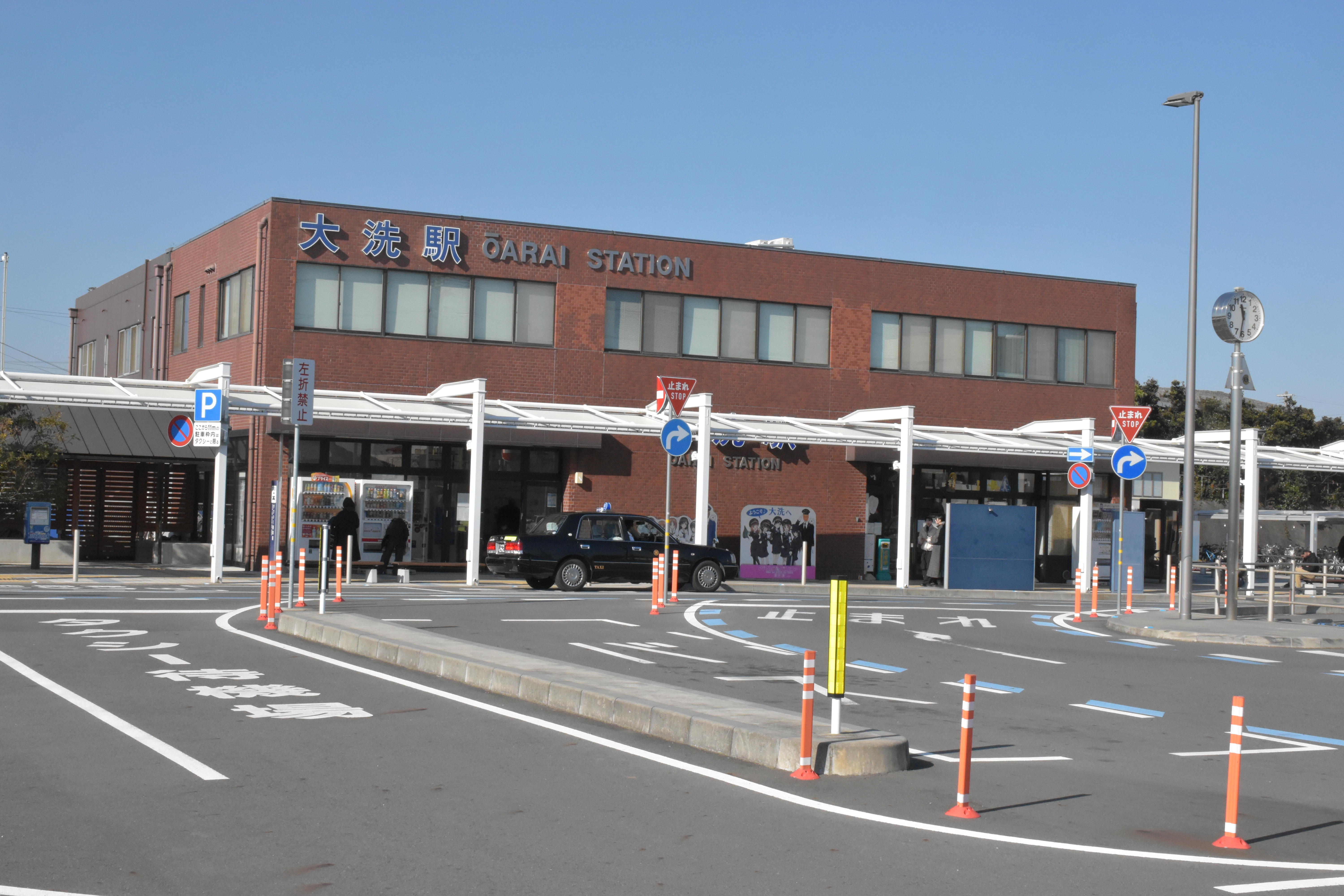
Oarai Station, as seen in the anime
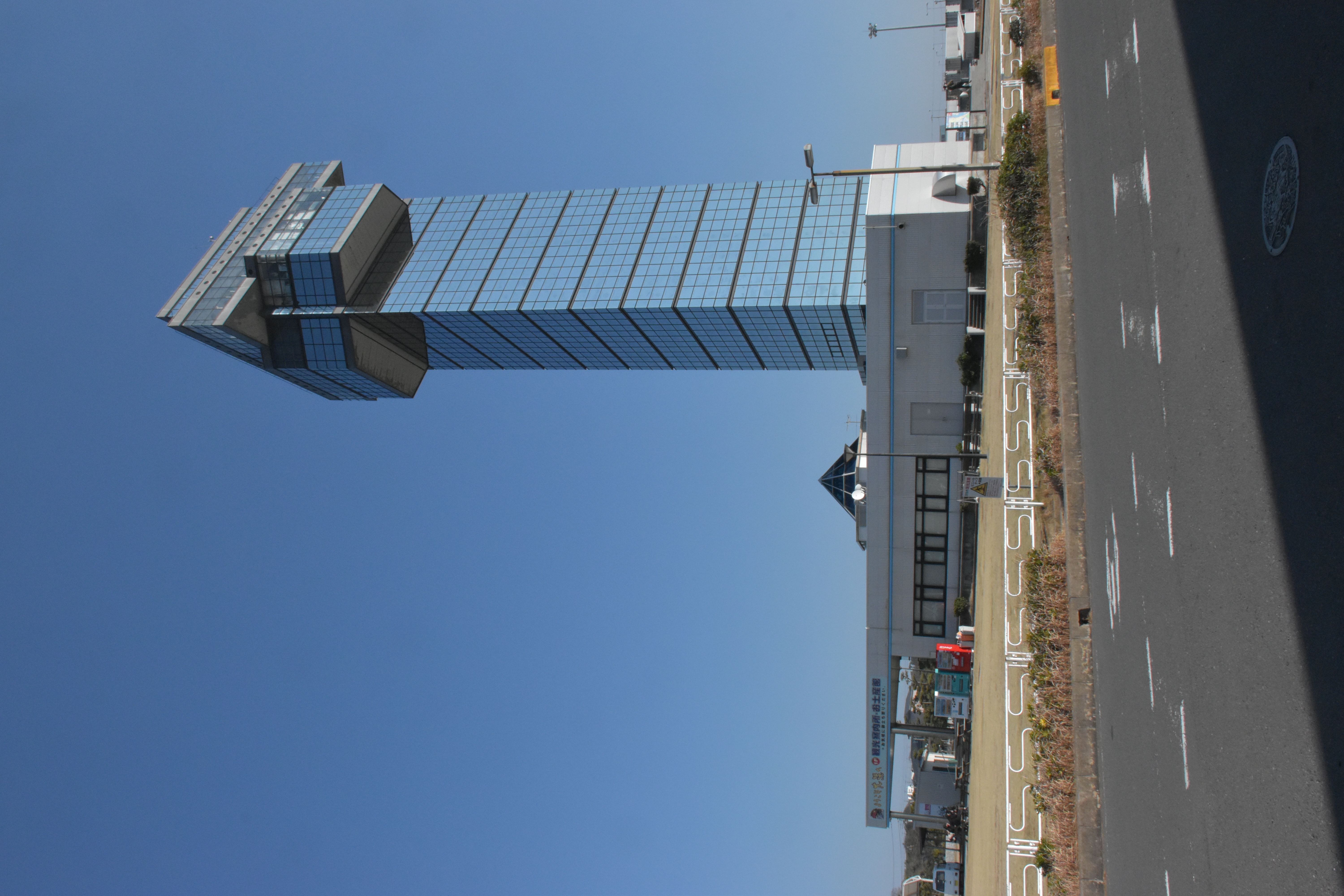
Oarai Marine Tower is also prominently seen in the anime, and hosts a Girls und Panzer-themed café. Unfortunately, it was closed in the days leading up to New Year’s Eve.
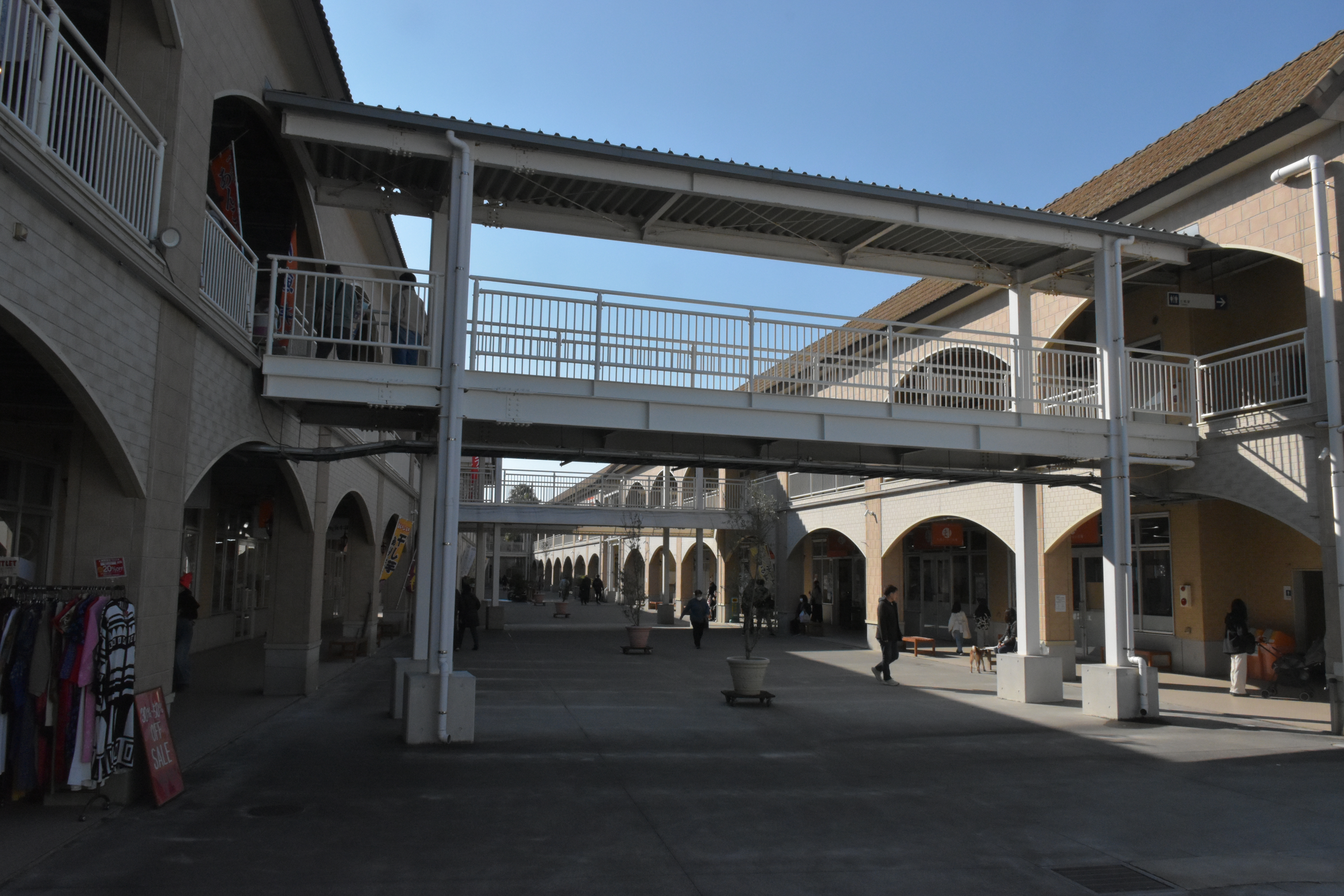
Oarai Seaside Station, an outdoor mall, appears in the anime as well, although it feels more cramped in real life than in the anime. There’s a Girls und Panzer fan shop here, so I browsed for a while, looked at their neat dioramas and bought myself a nice t-shirt.
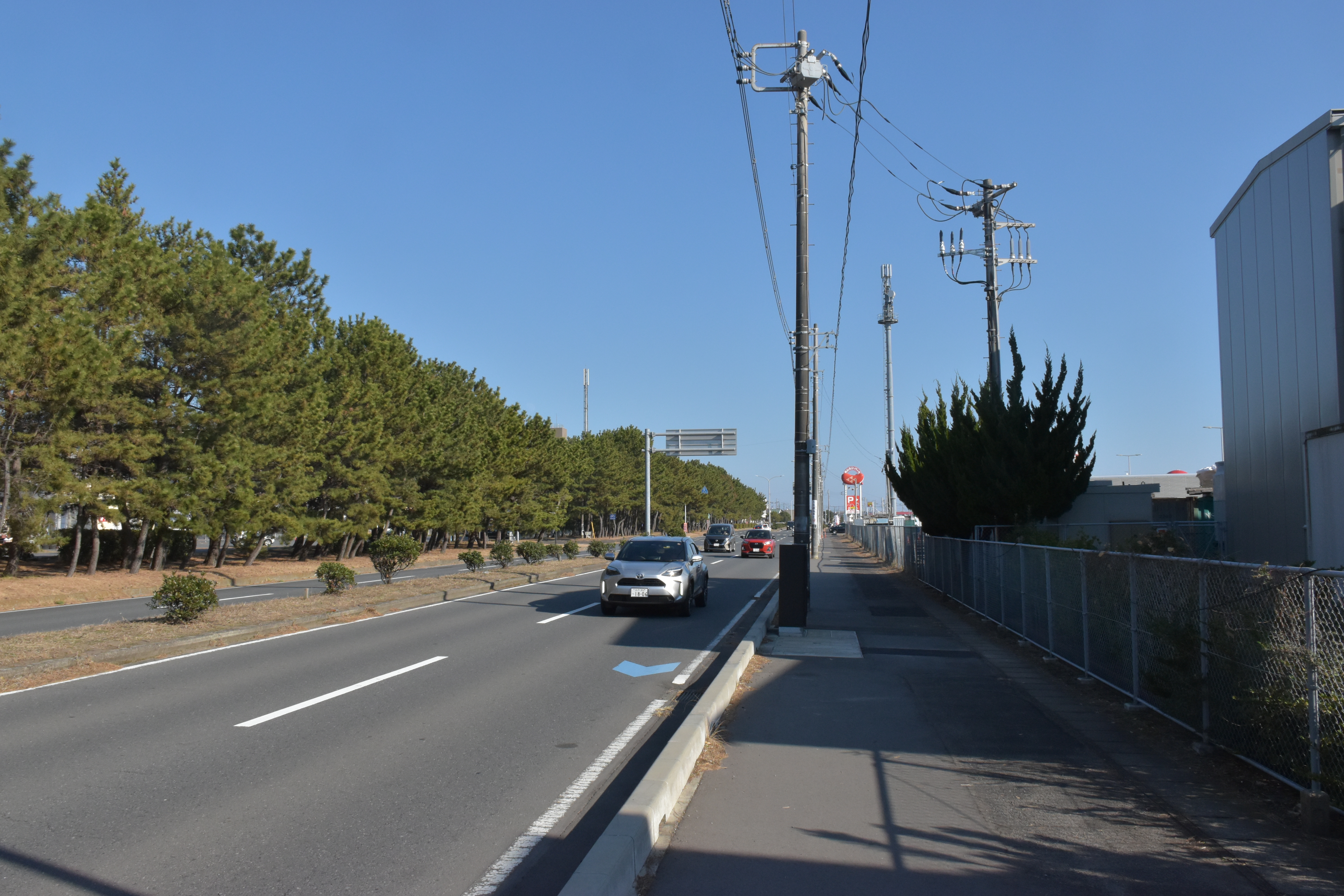
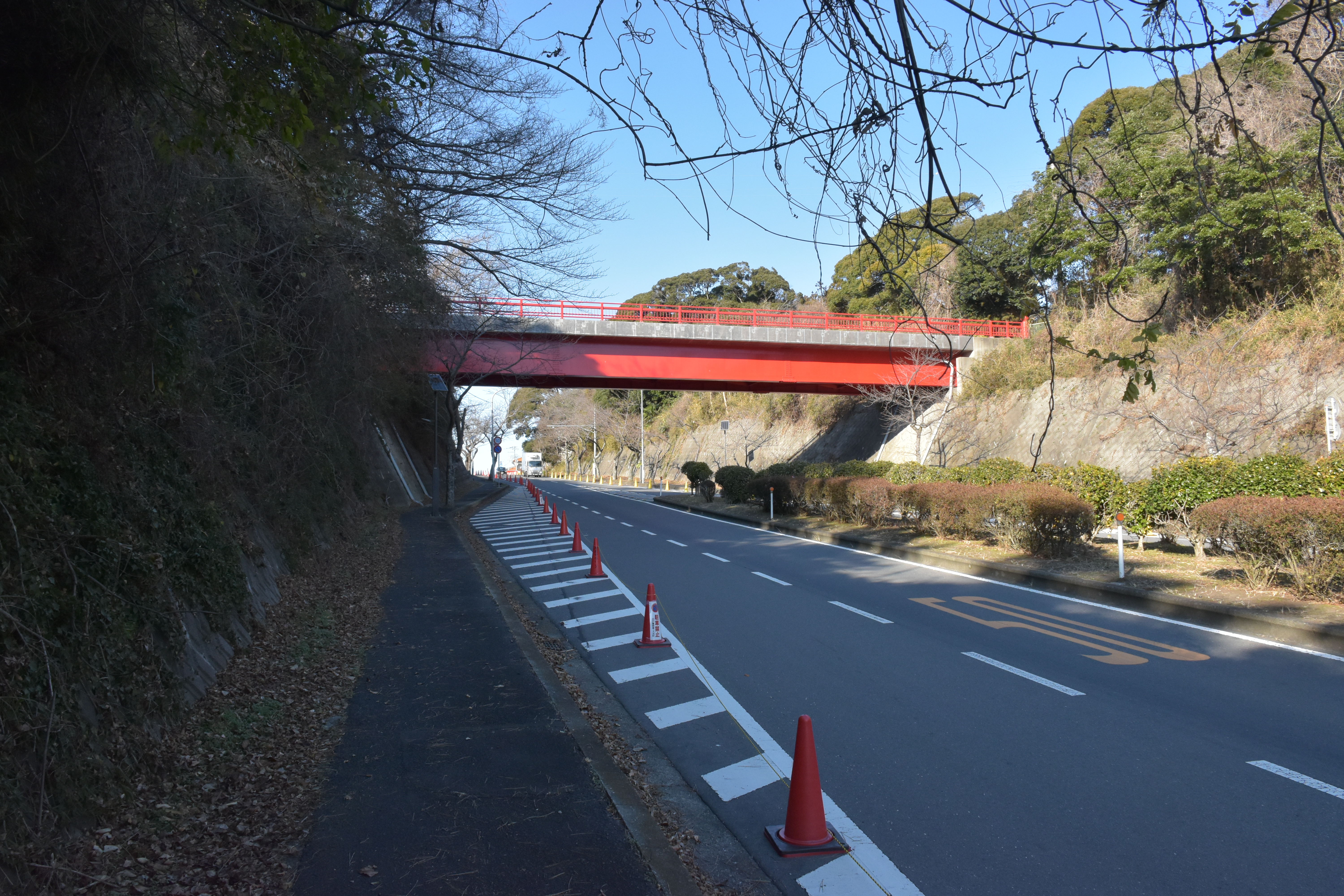
After that, I decided to just take a walk around town. This boulevard running in parallel to the beach feels oddly Italian to me for some reason. Seen in the background is the sign for Mentai Park Oarai, the visitor’s center (Google Maps calls it a “theme park” but that might be a bit of a stretch) of a factory producing spicy fish roe.
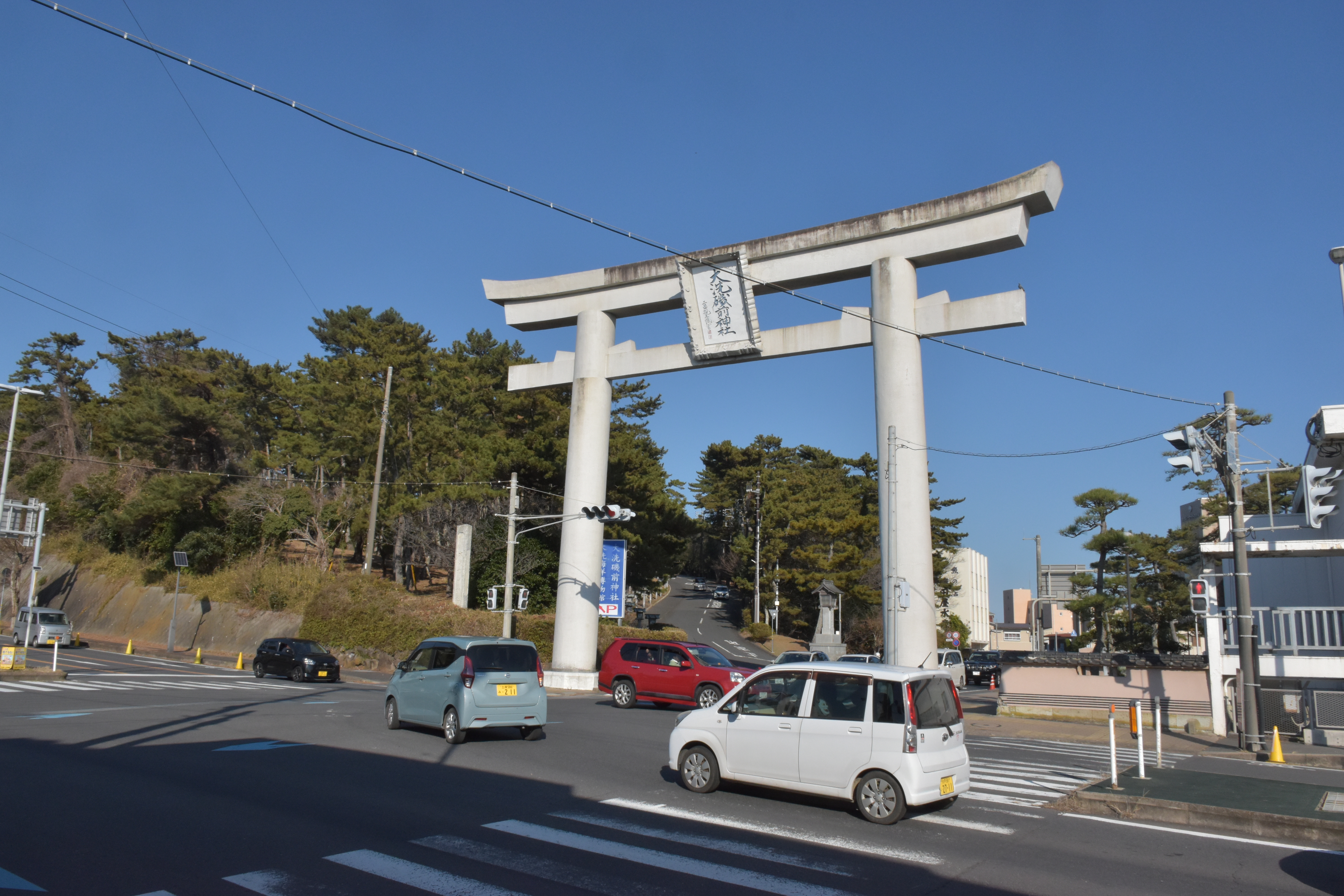
This massive concrete torii stands at the approach to Isosaki shrine.
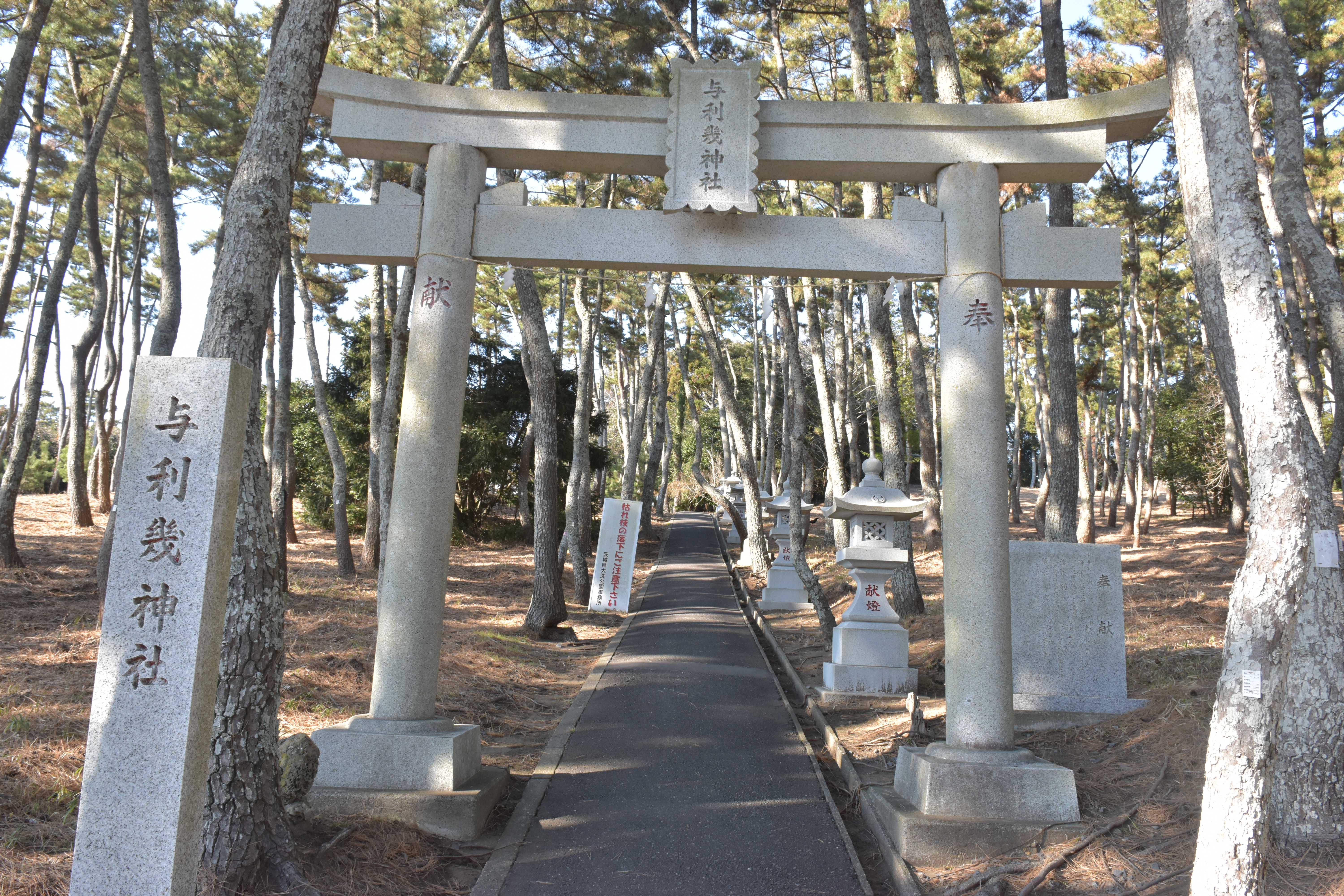
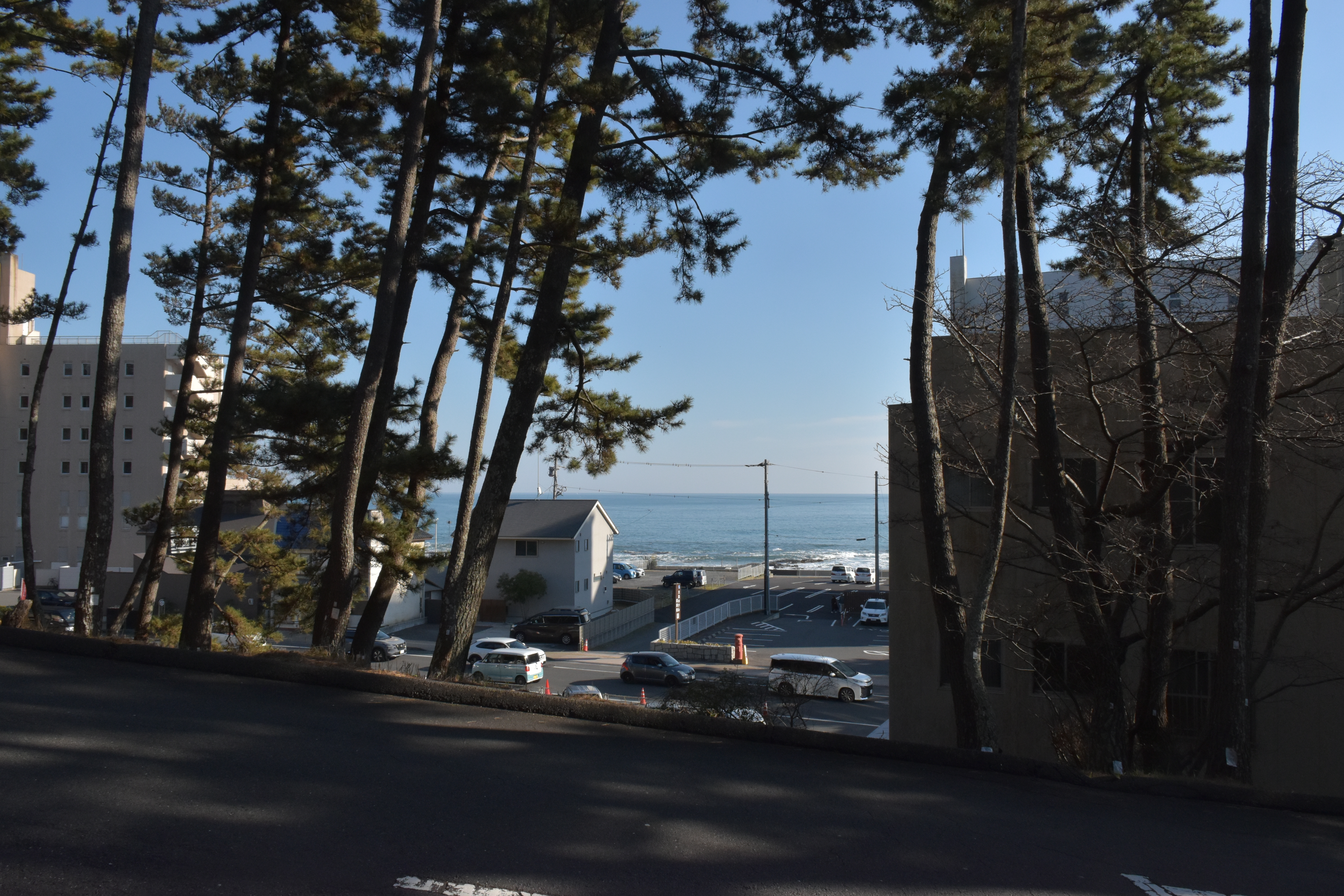
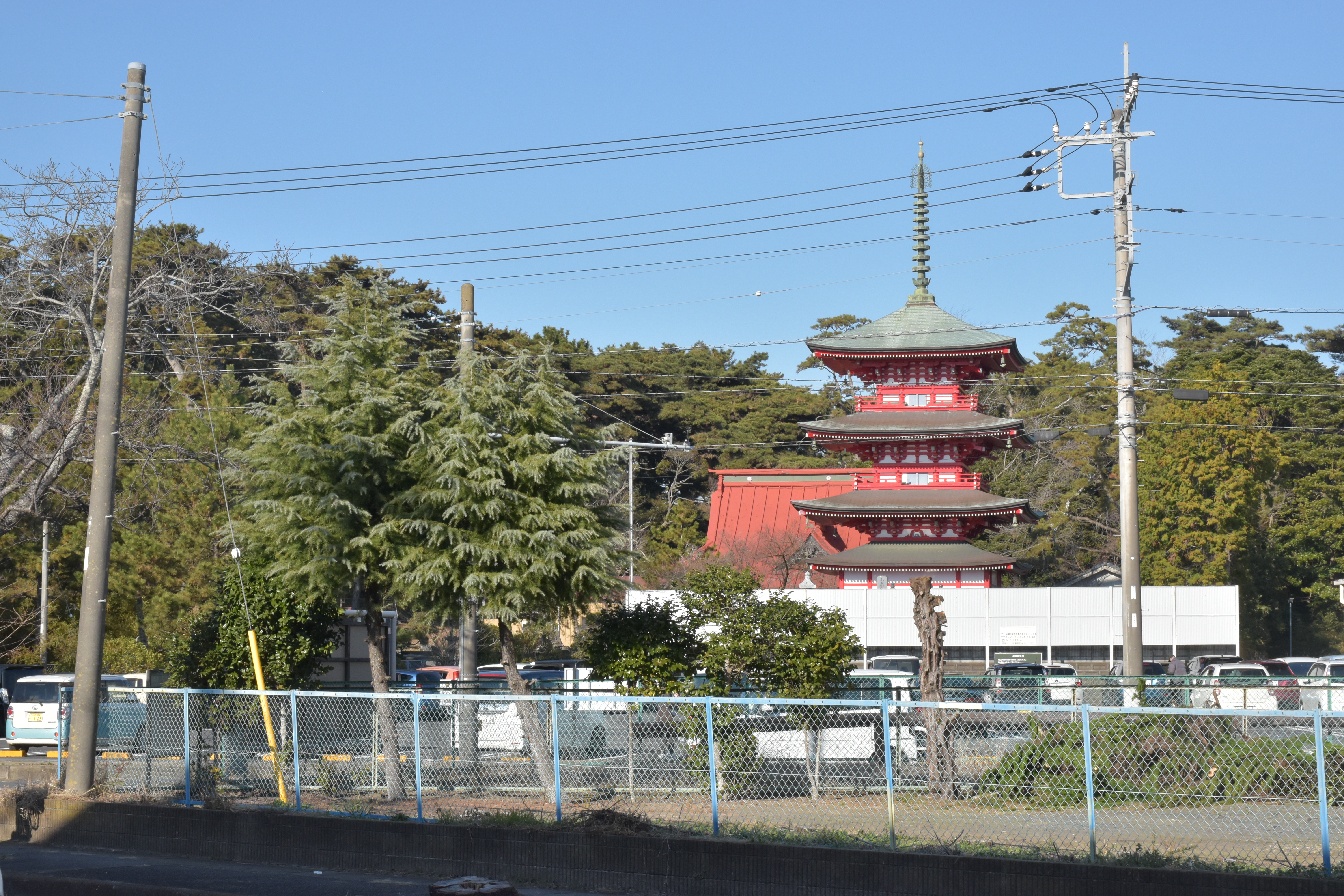
Gokokuji Temple
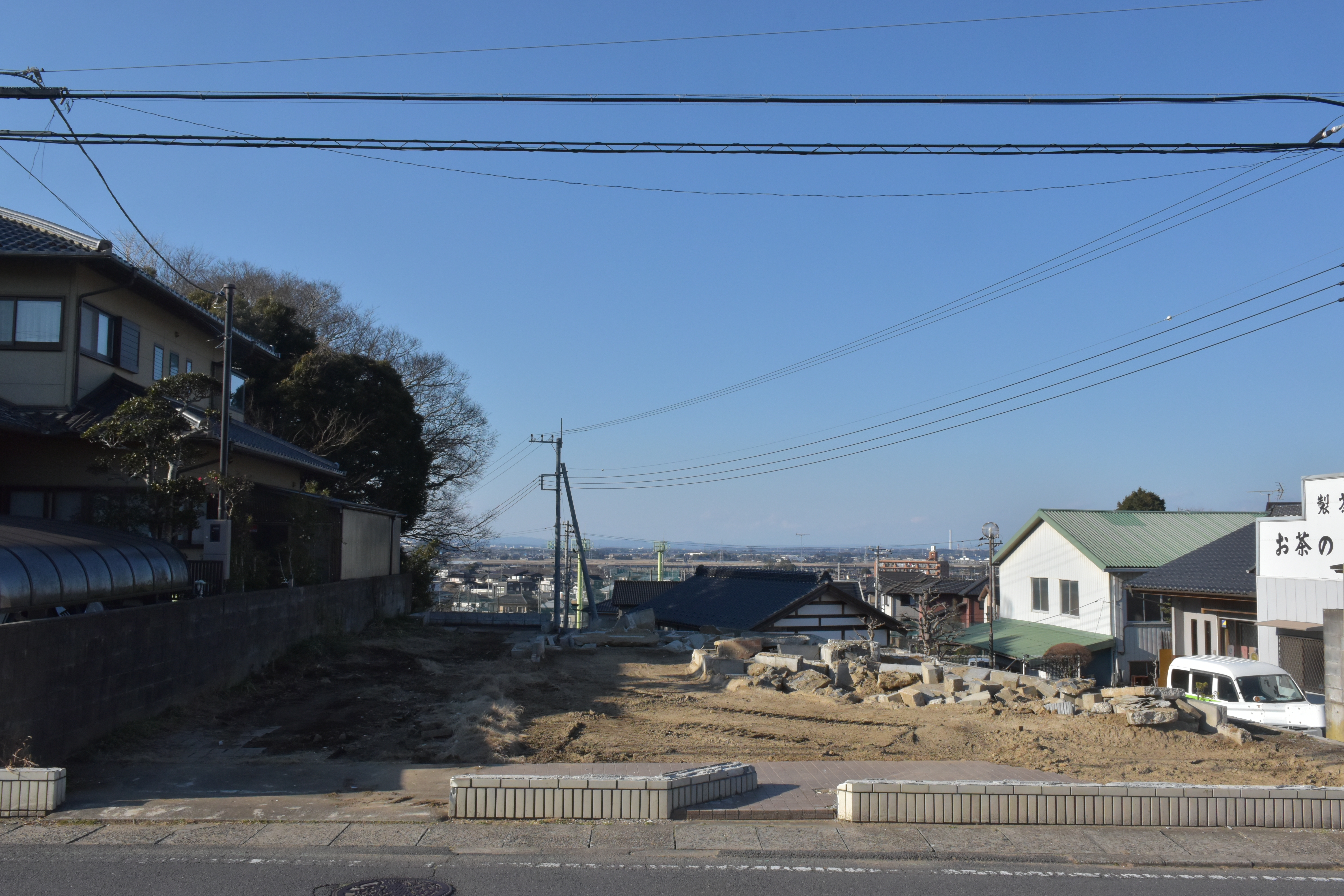
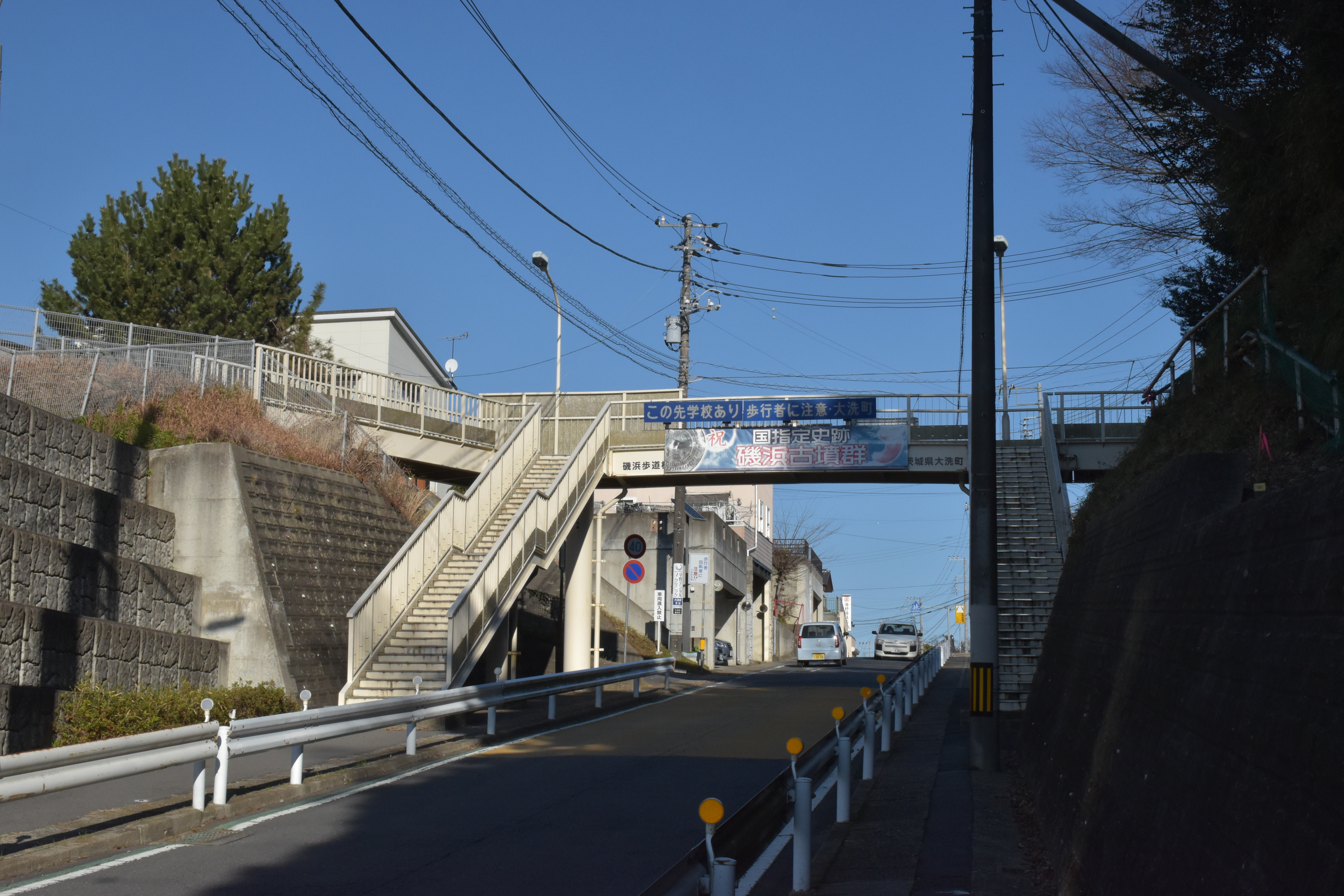
As you can tell, I really enjoyed just walking through a random town and getting some snapshots of everyday scenery.
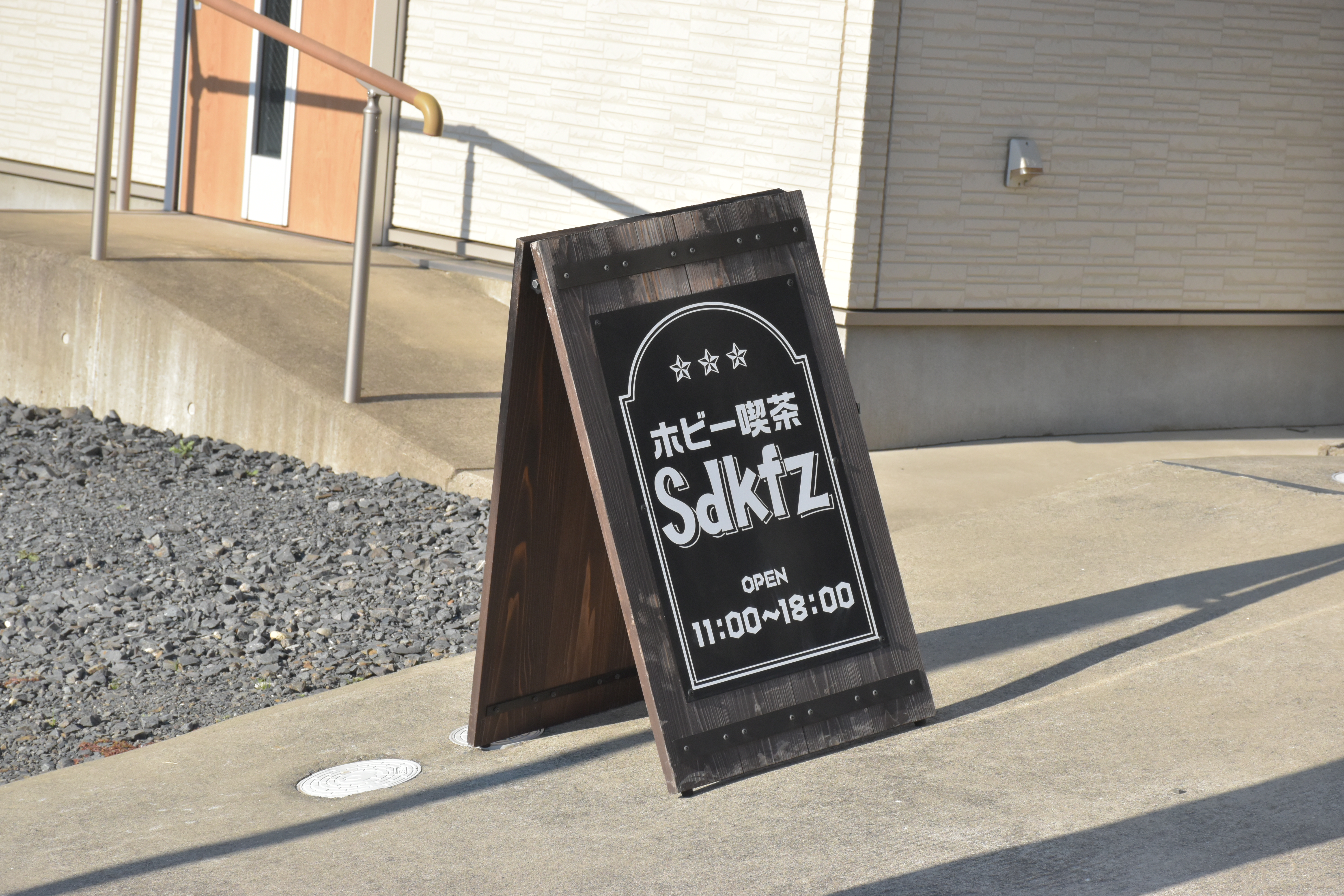
There’s a few themed shops and cafes scattered around the town. “SdKfz” is short for “Sonderkraftfahrzeug”, part of the Wehrmacht’s vehicle classification system, and I highly doubt this name would fly in Germany.
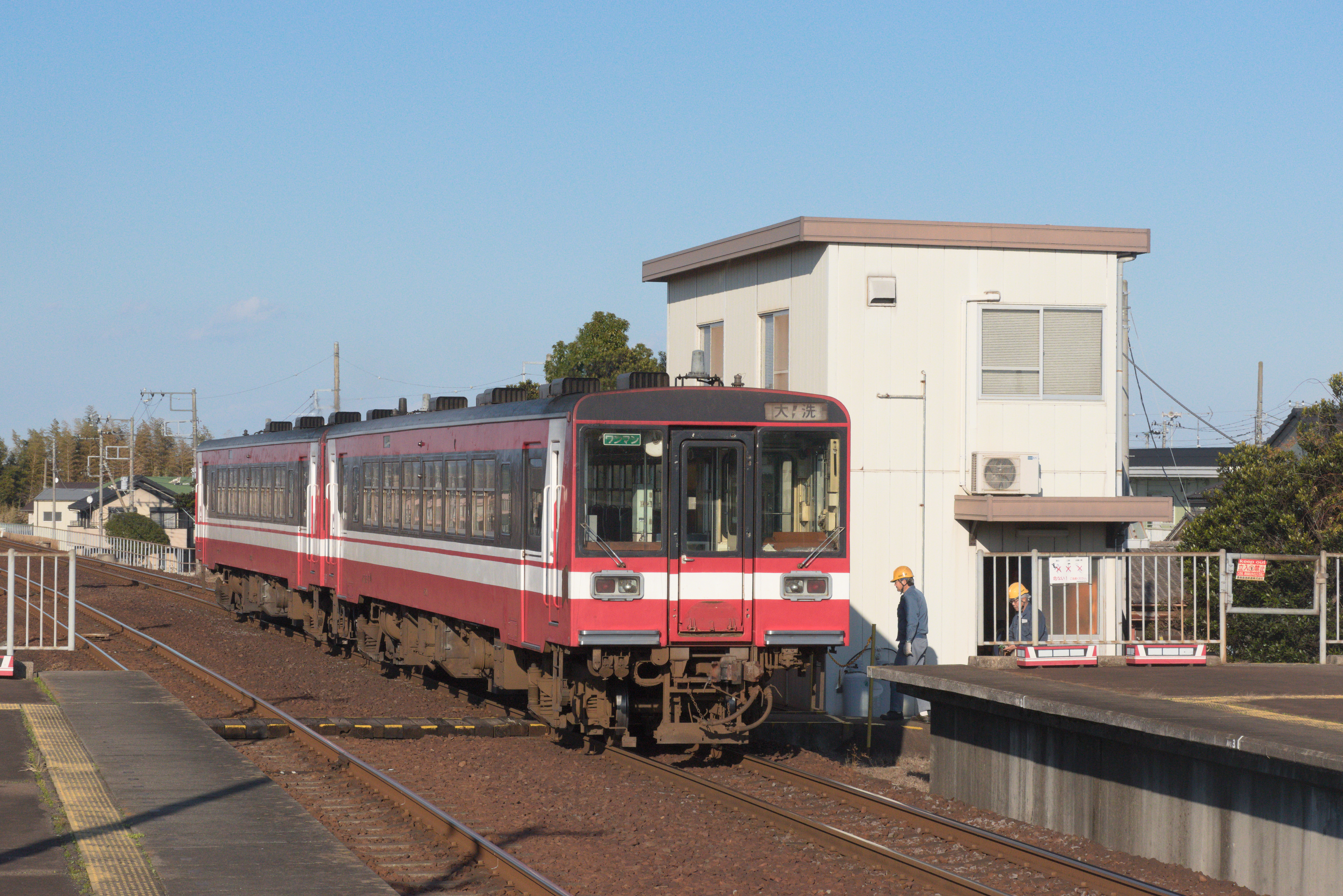
Back at Oarai Station after a solid 5km walk. This 6000 Series DMU is on a stabling move.
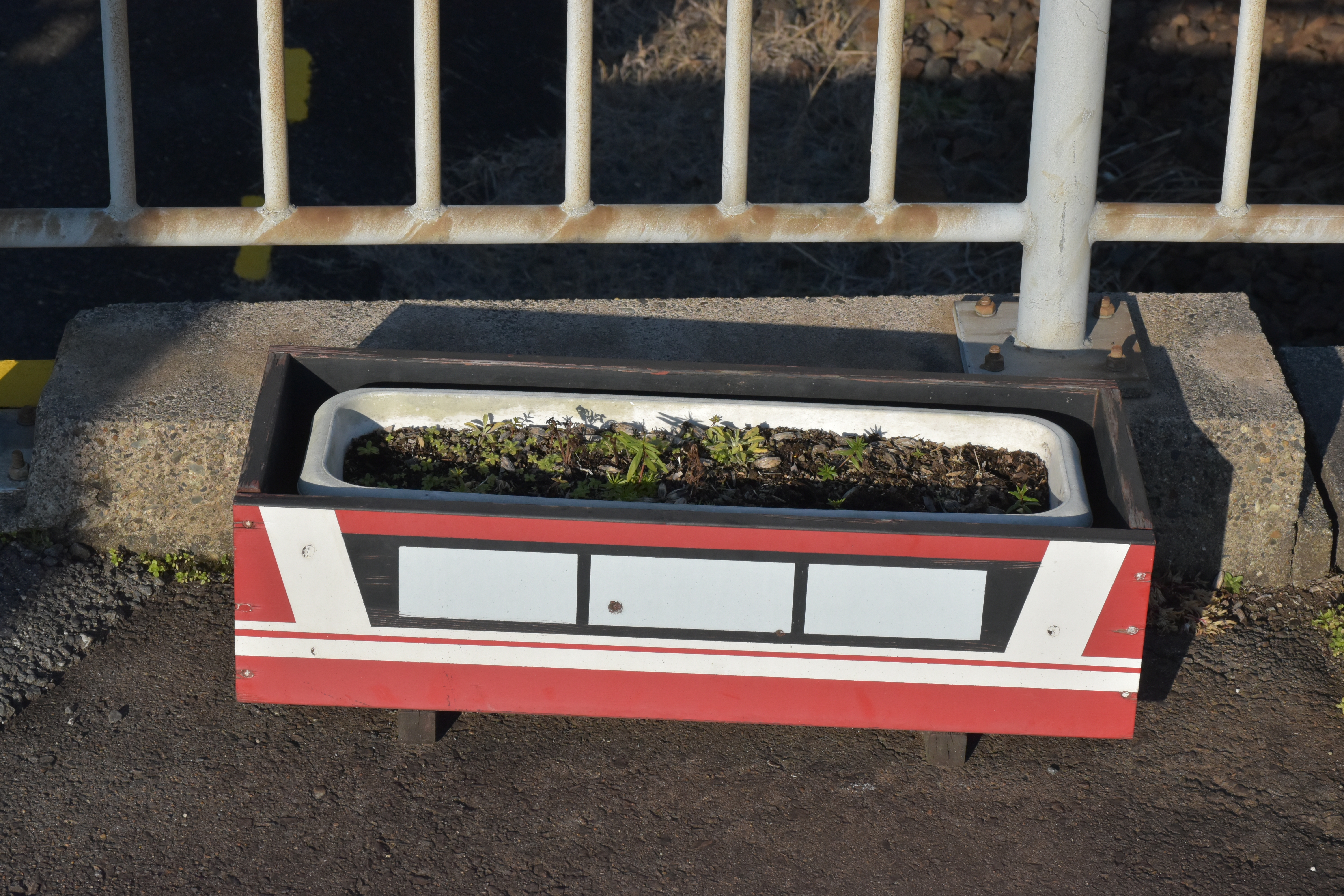
The flowerpots match the trains.
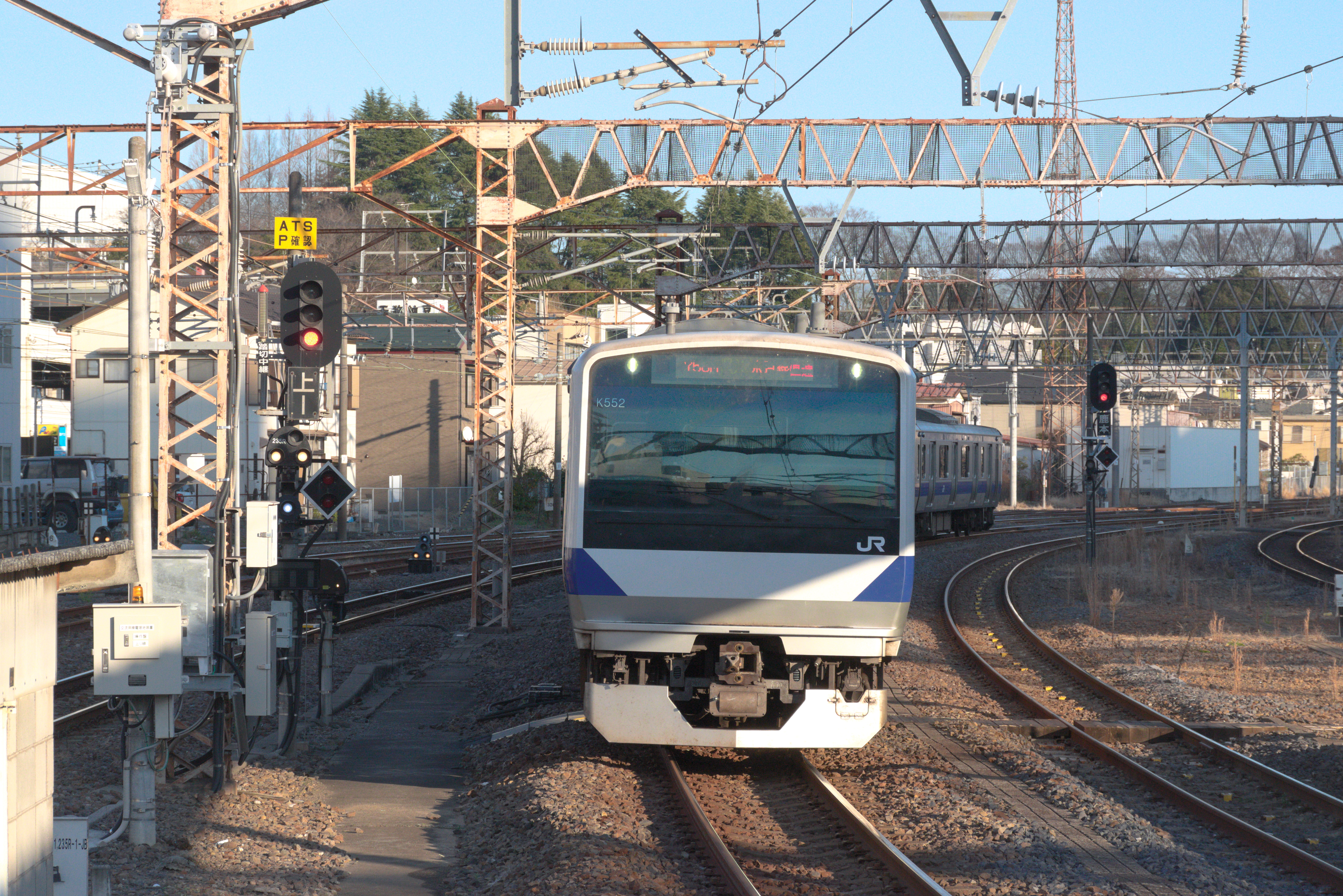
A E531 Series EMU at Mito. As this area uses alternating current, the DC-only E231 and E233 Series trains that operate much of Tokyo’s suburban network can’t make it up here. The E531 is a derivative of the E231, and design-wise is the E233’s predecessor.
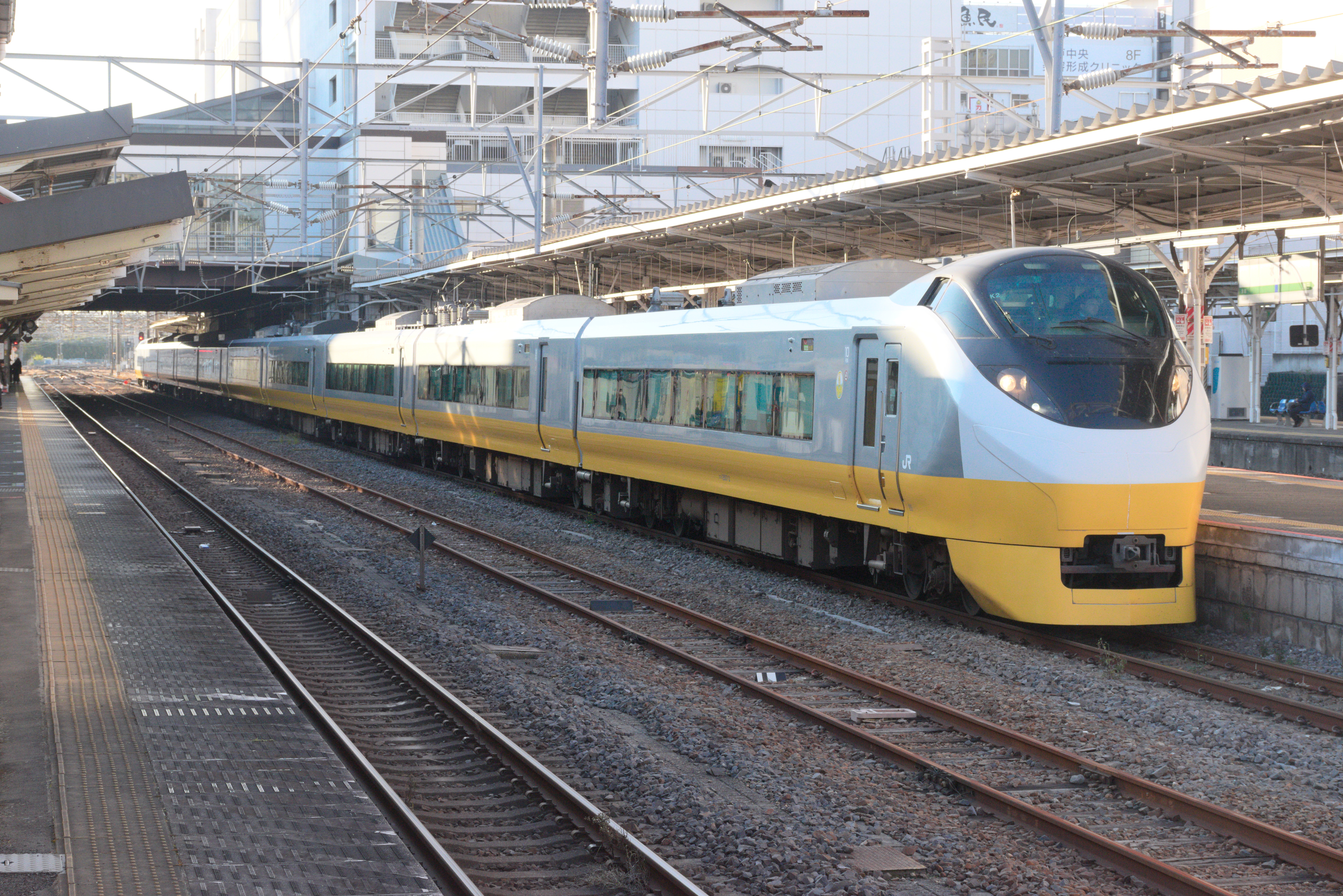
A Hitachi Limited Express
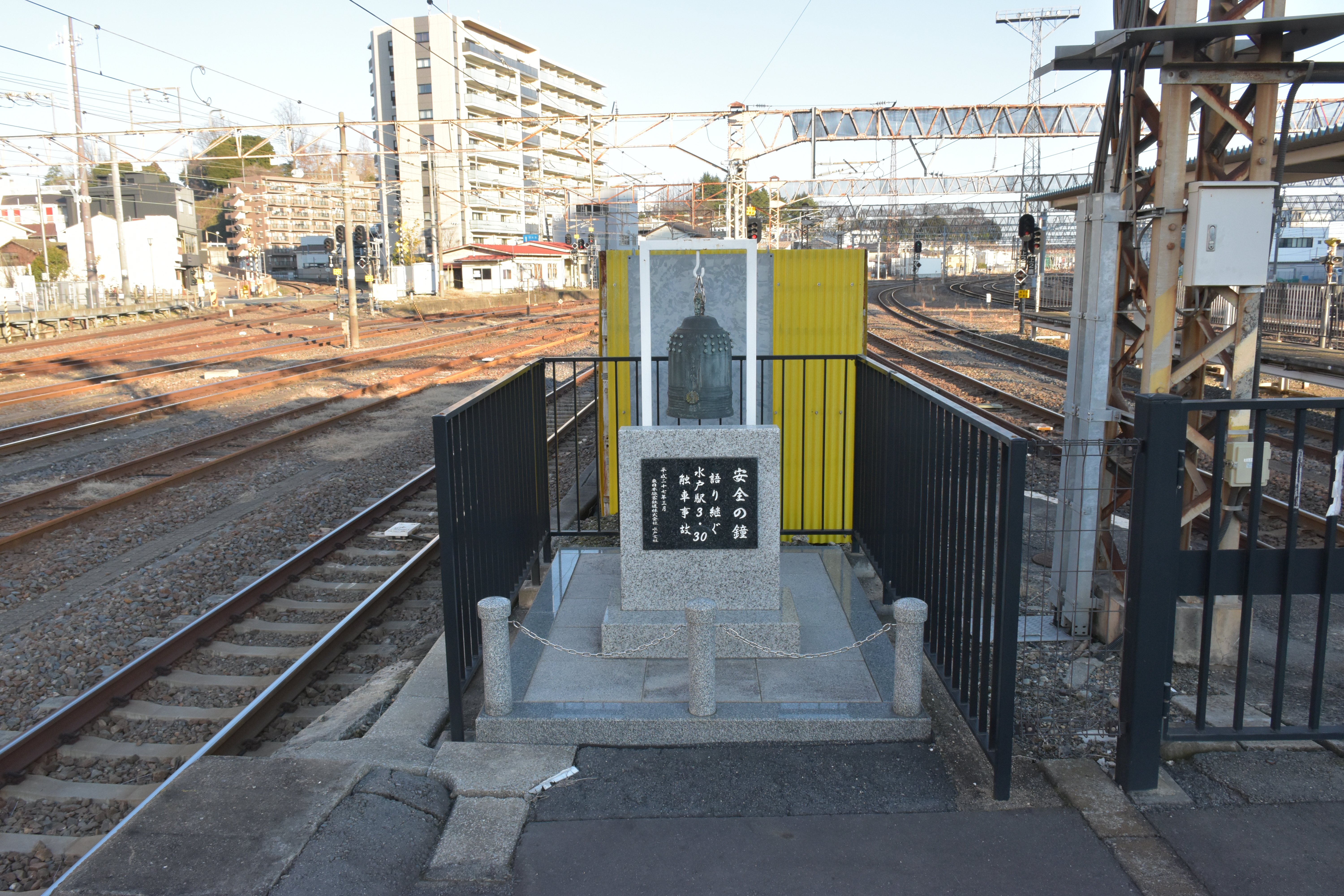
This “safety bell” at Mito Station appears to commemorate some accident, but I could not find out a lot of details about it.
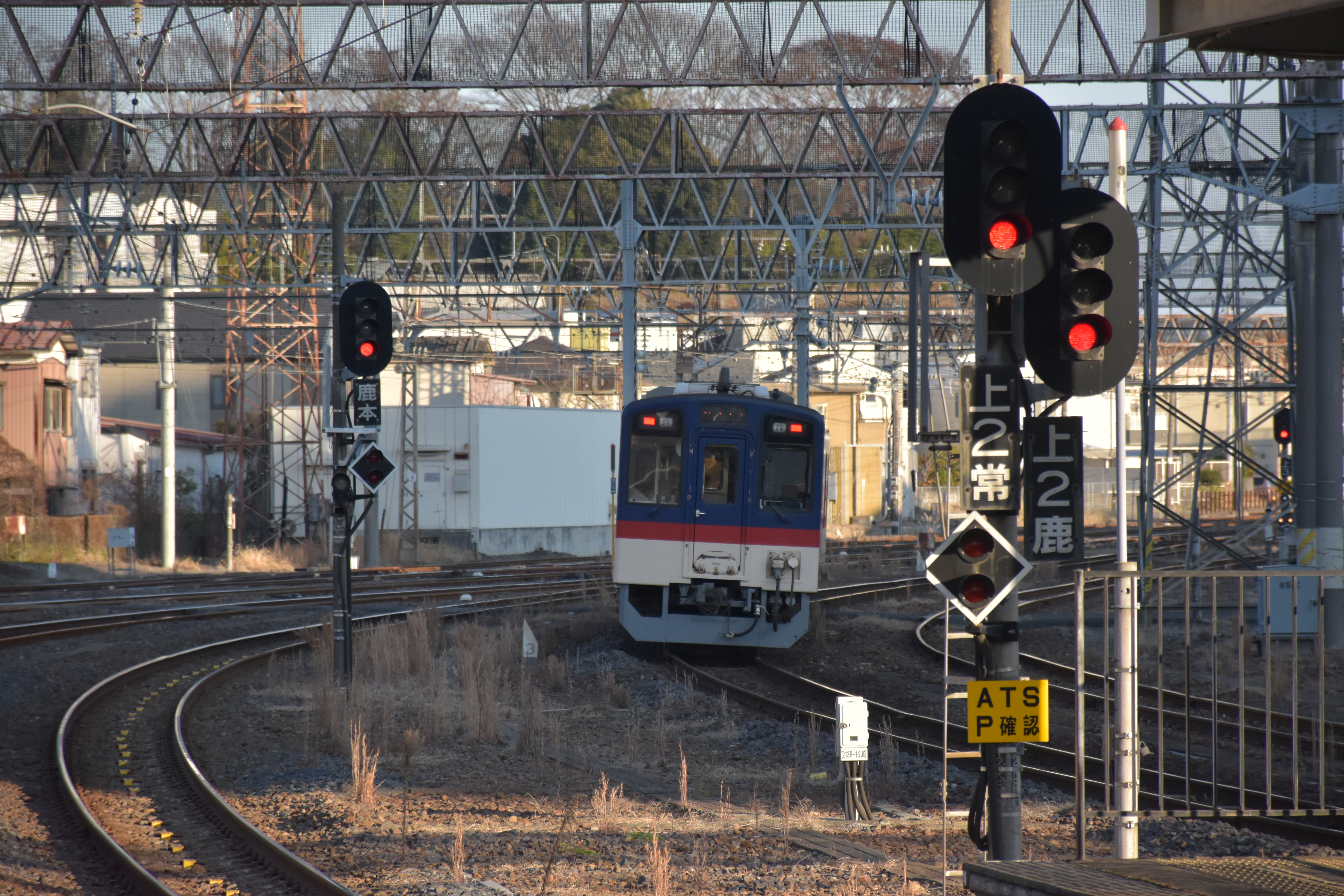
My train left on a return trip towards Oarai.
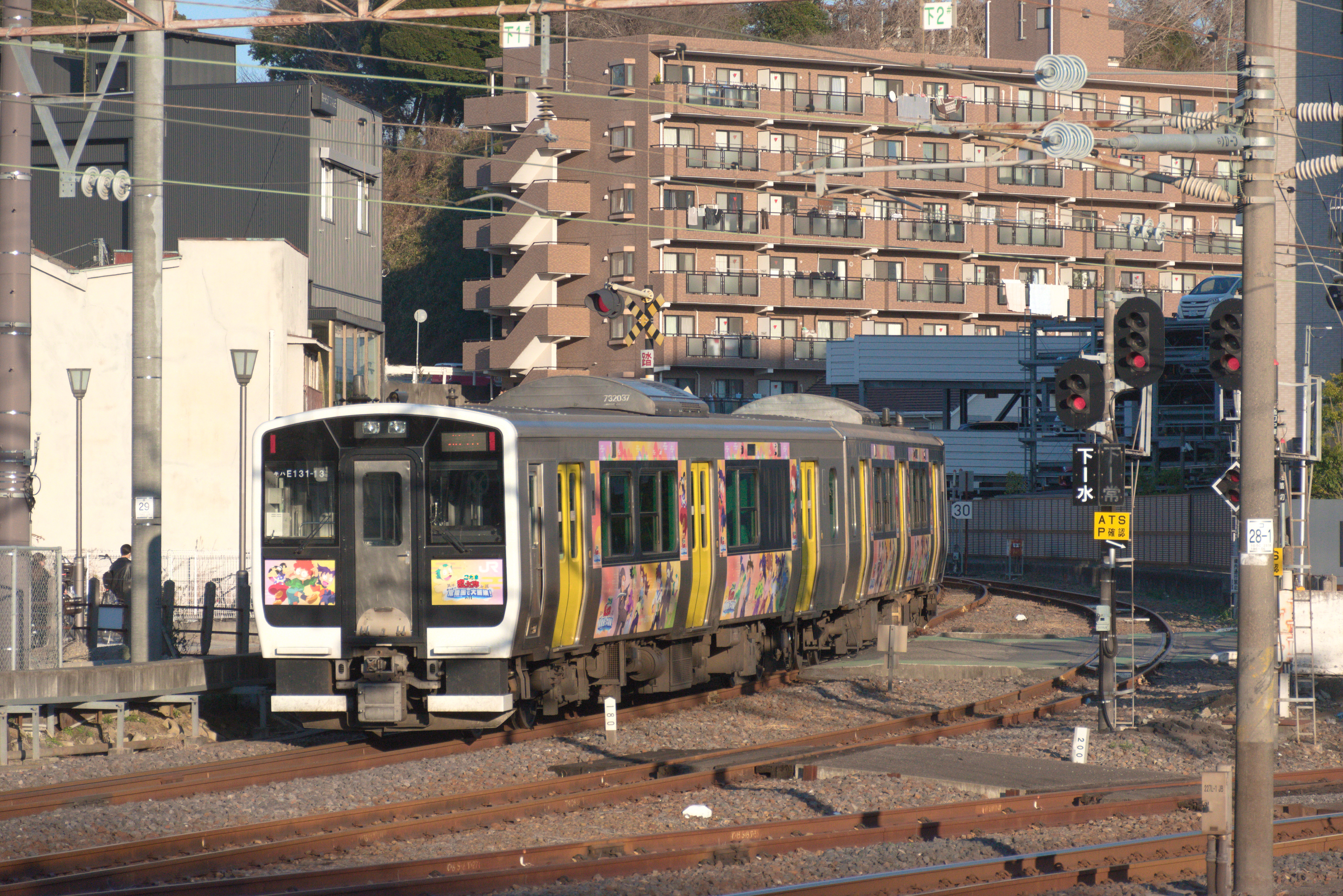
This KiHa E131 (not to be confused with the E131 EMU) is headed for the Suigun Line.
Wednesday, December 31st - Tokyo
As I did not know how New Year’s Eve would affect the load on the trains, I decided to stay within Tokyo, or at least reasonably close to it, for the day. As it turned out, the local trains were fairly empty during the day.
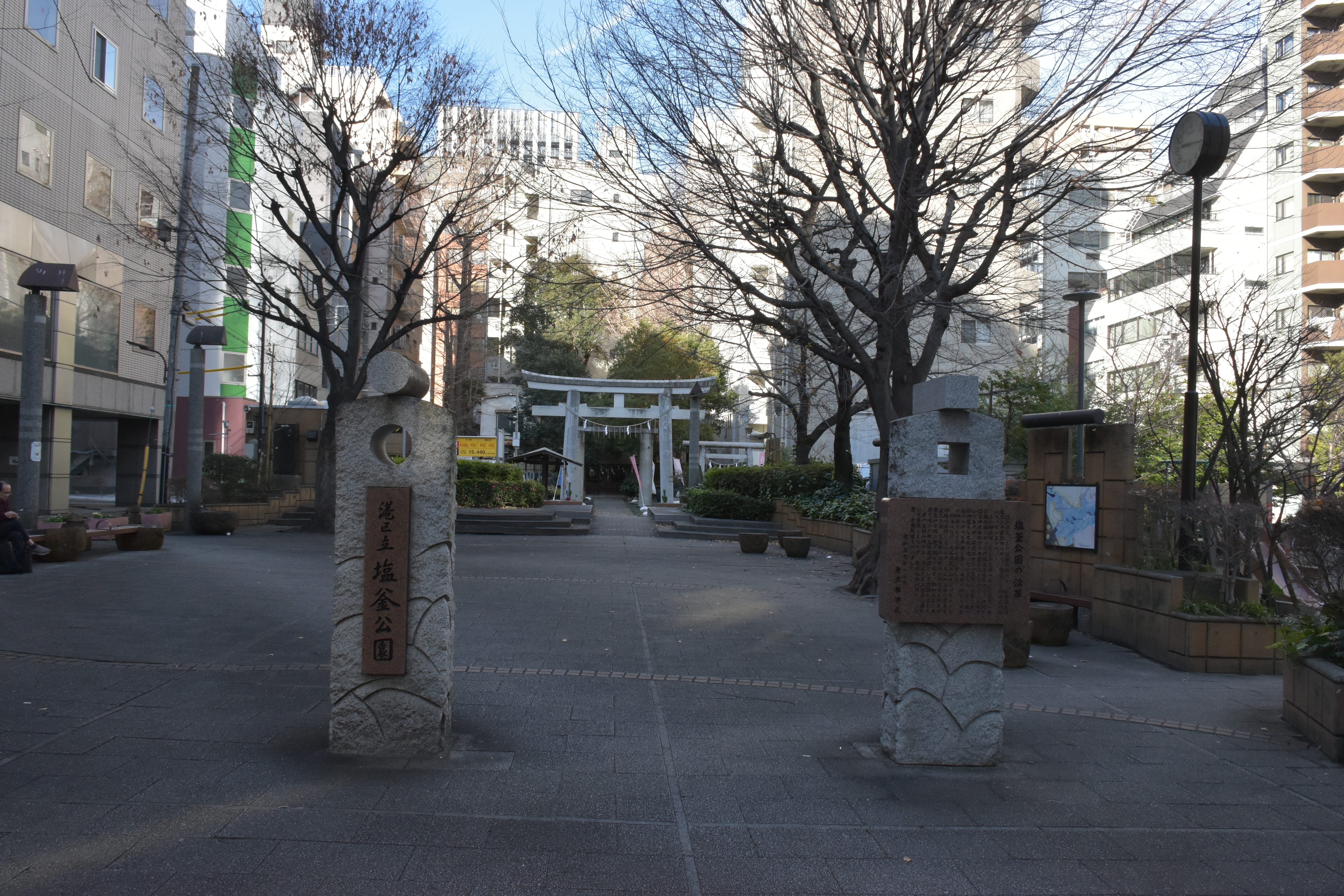
First, I headed towards Tokyo Tower, which was fairly close to my hotel. On the way, I came across this small shrine.
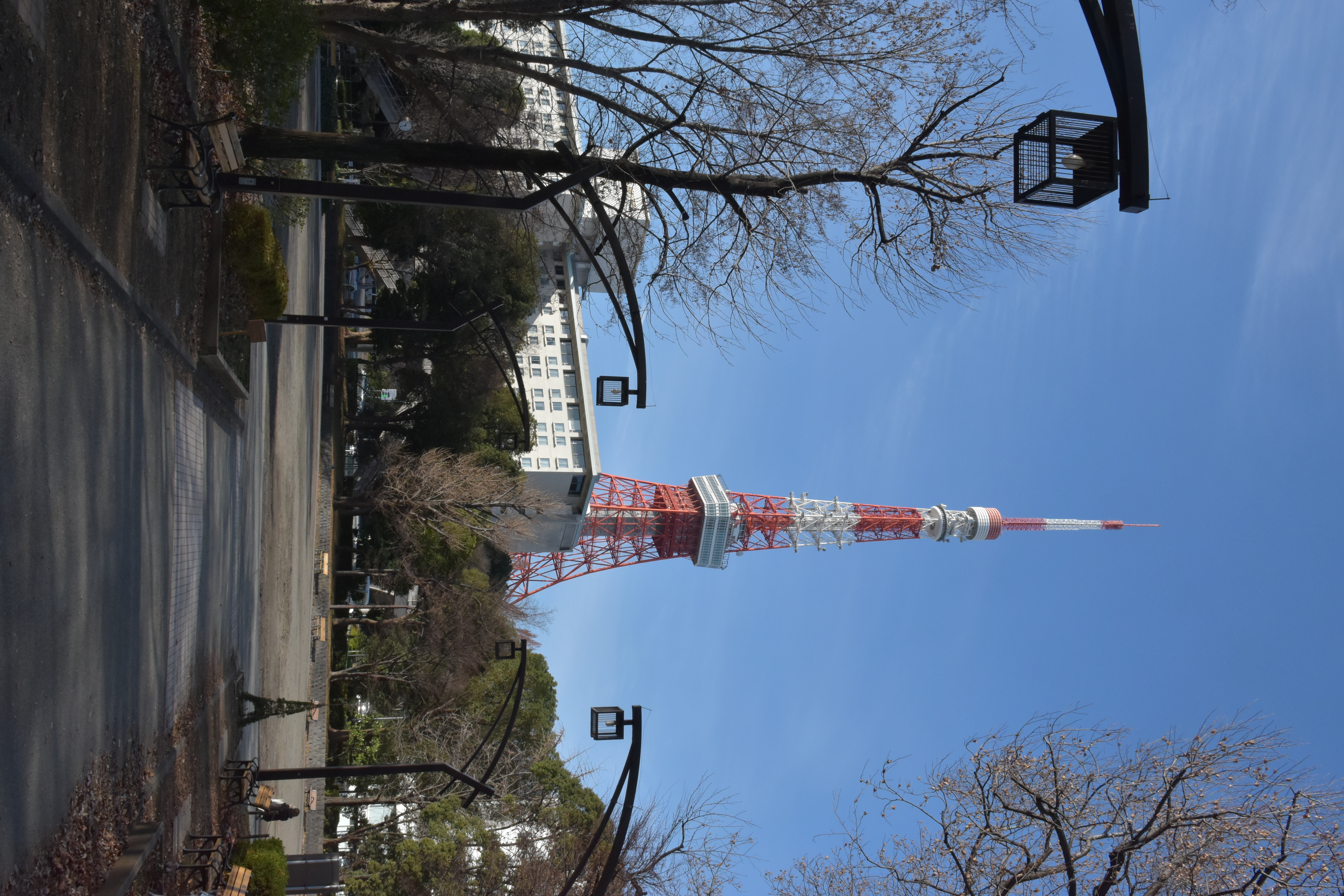
Note the small bonsai tree matching the tower.
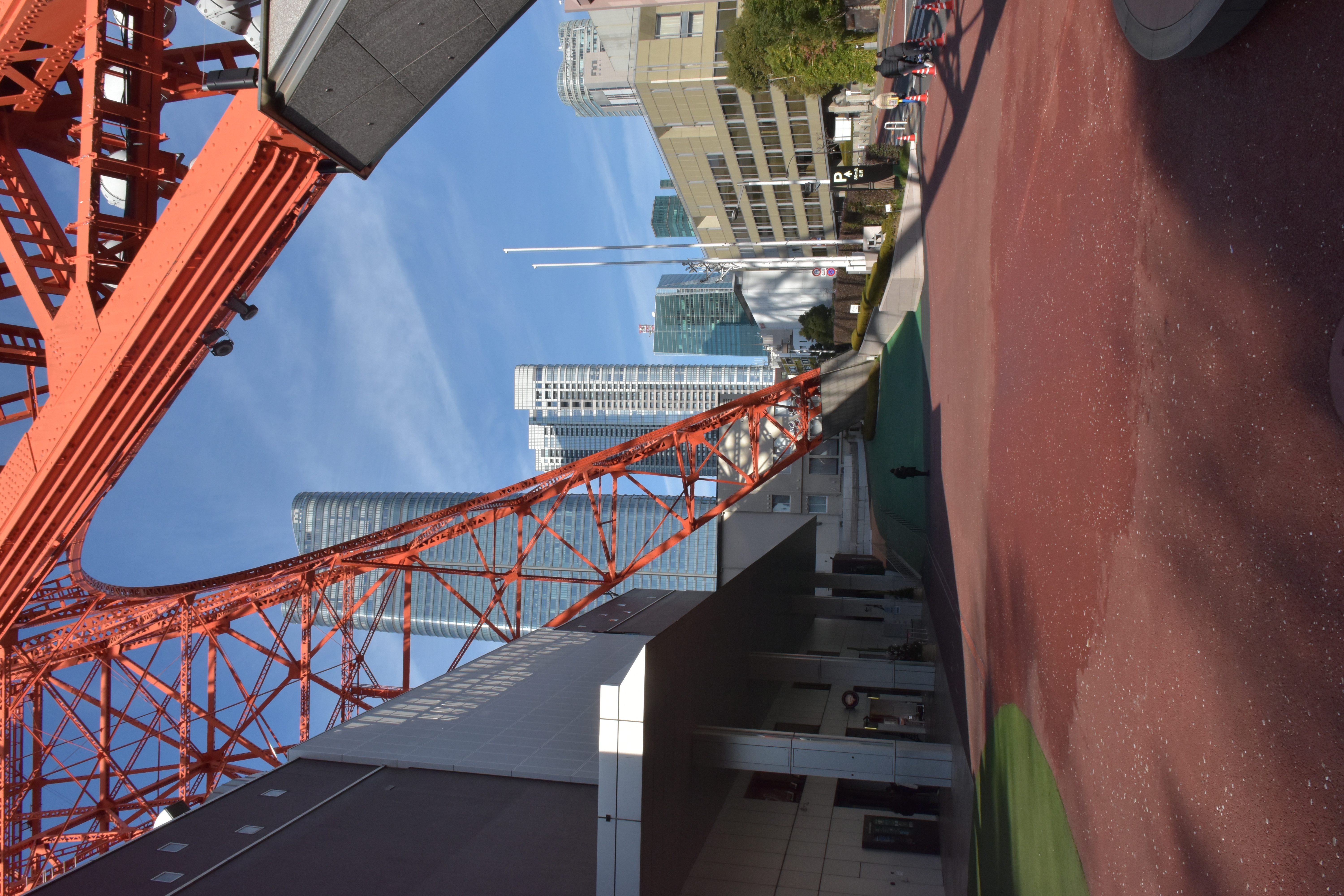
While this is an impressive building, I still prefer the Eiffel Tower. Due to its age and more antiquated construction technique, it simply feels more impressive to me as an accomplishment. Tokyo Tower also doesn’t replicate some of the sillier features of its Paris counterpart, like the curved elevators along the base legs.
The surrounding area also cannot be compared to the Champs-Mars at all.
I’m sorry, Japan. I hope you still let me in when I return, despite our different tastes in architecture.
Next on the to-do list was that one iconic level crossing in Yoyogi.
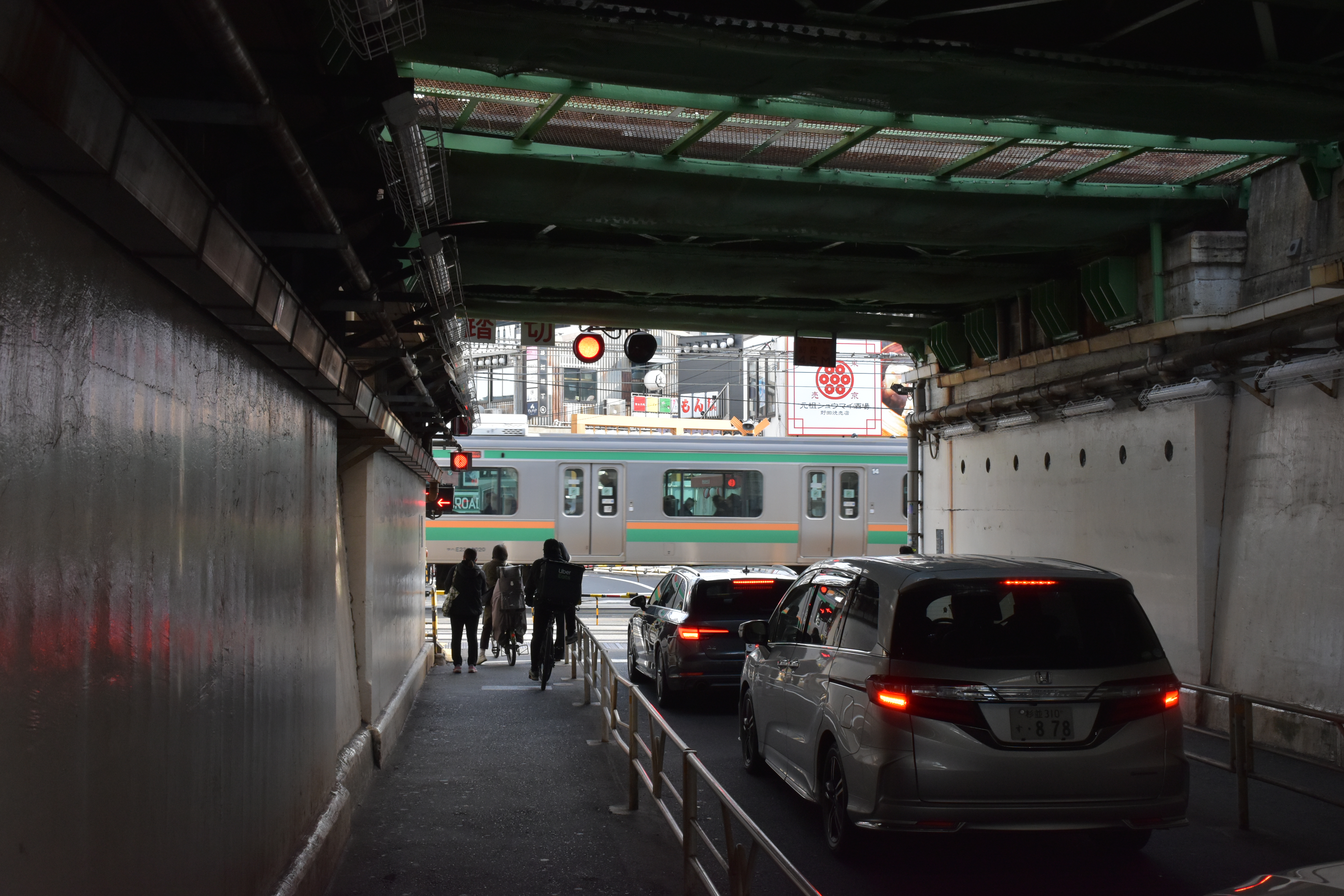
This one?
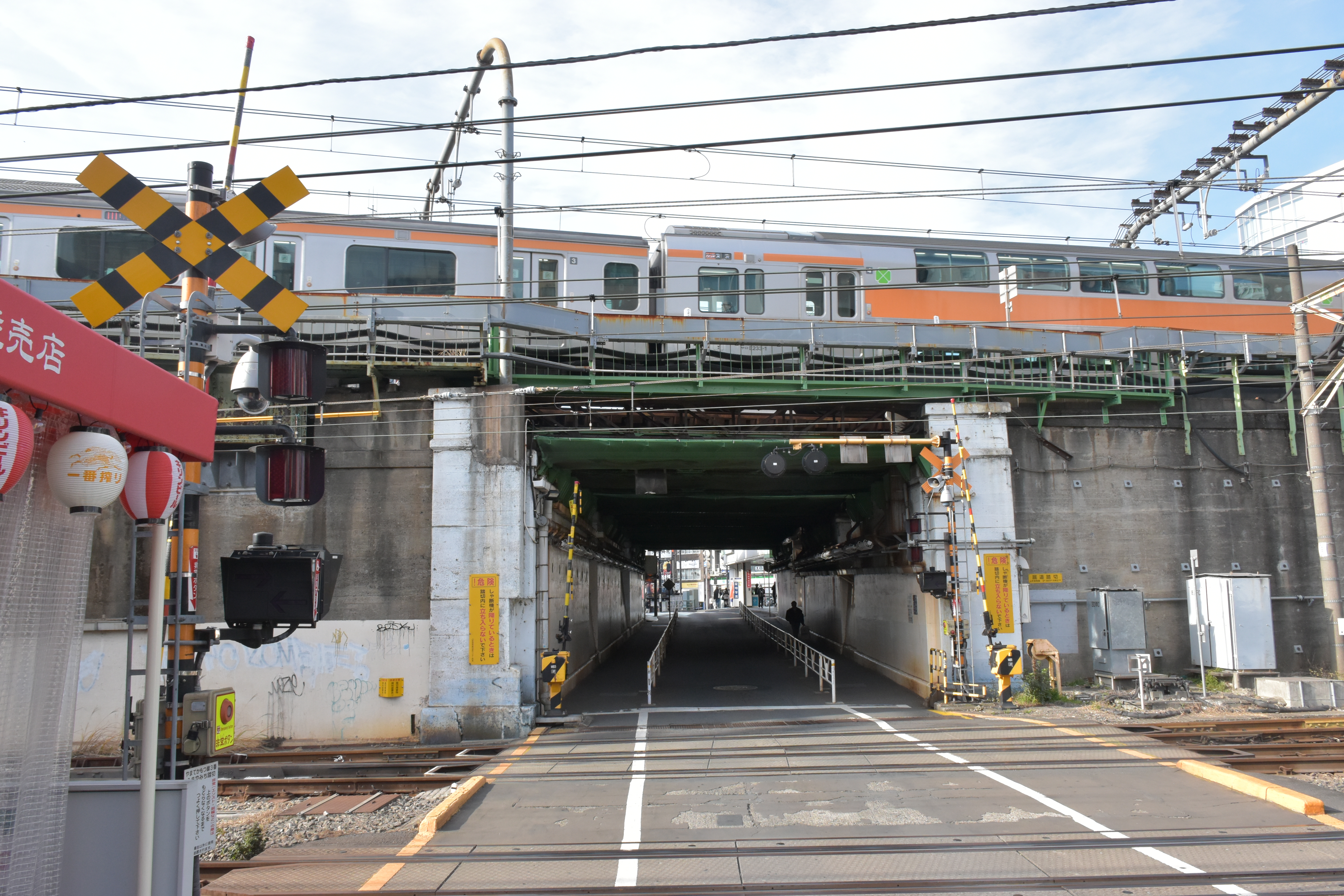
No, not this one. The next one to the south.

Yes. This one.
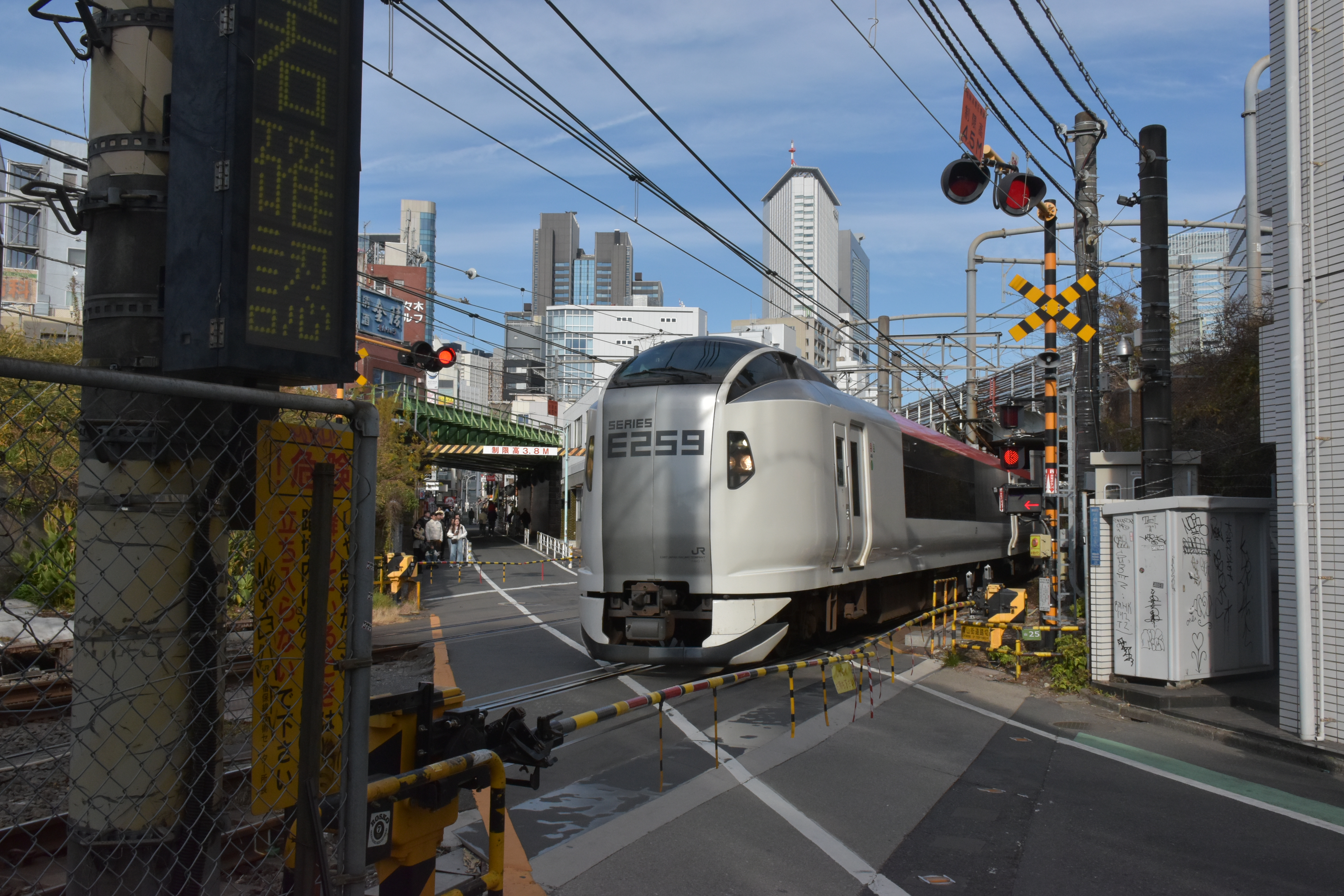
This sits on the southern approach to Shinjuku Station. The bridge on the left side carries the Yamanote Line, the tracks on the level crossing belong to the Yamanote Freight Line, which despite its name no longer carries any freight and is instead used by Shonan-Shinjuku Line, Saikyo Line and various express trains, like this Narita Express. The bridge on the right side carries the Chuo Line rapid service tracks and the Chuo-Sobu Line, which diverge from the two Yamanote Lines towards Ochanomizu.
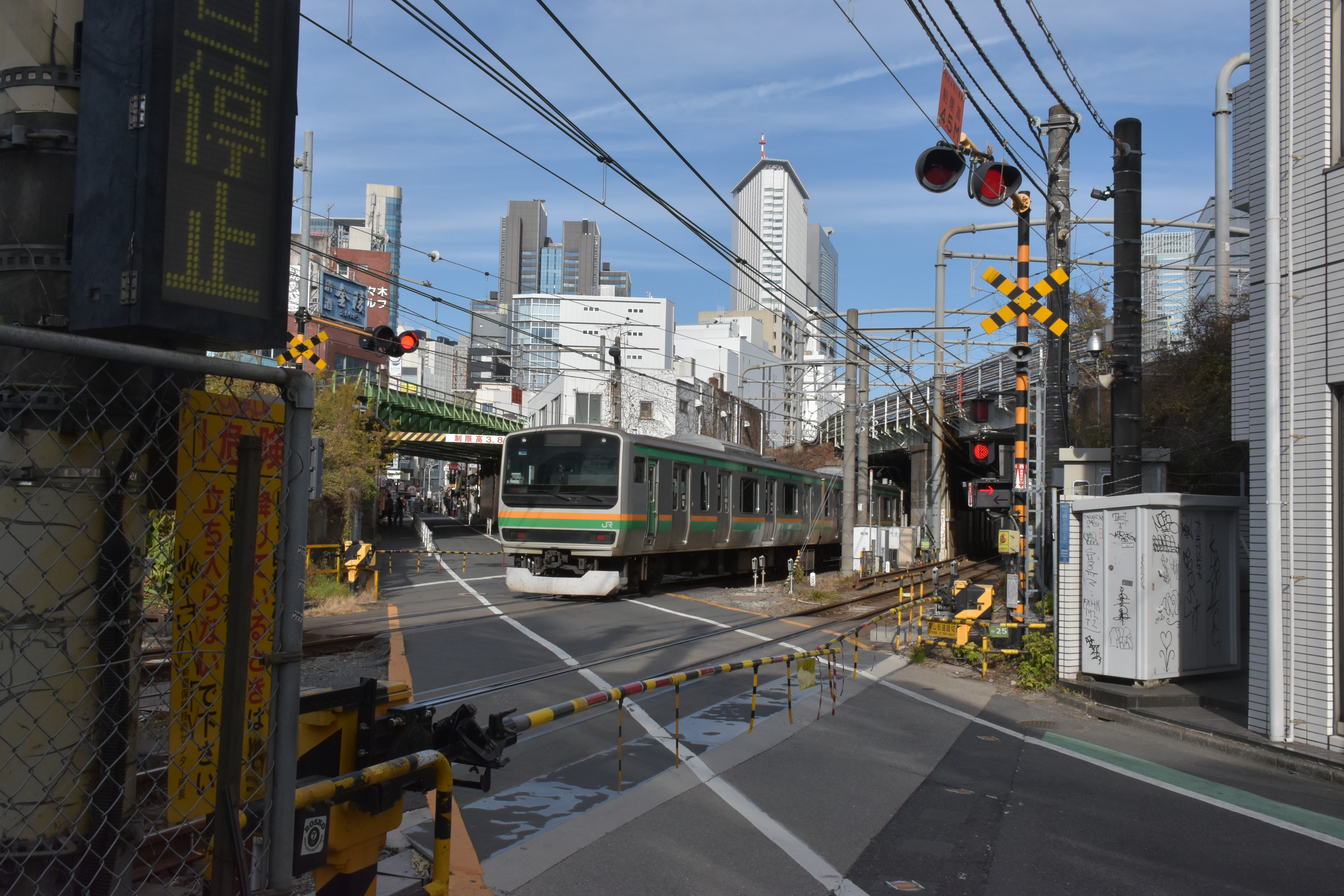
With this dense pattern, the level crossing is rarely open for more than a minute or two at a time. This train is running on the Shonan-Shinjuku Line.
Next, I decided to check out Minami-Yono, also on the Saikyo line, which is the neighborhood a character from a novel I am currently reading lives in.
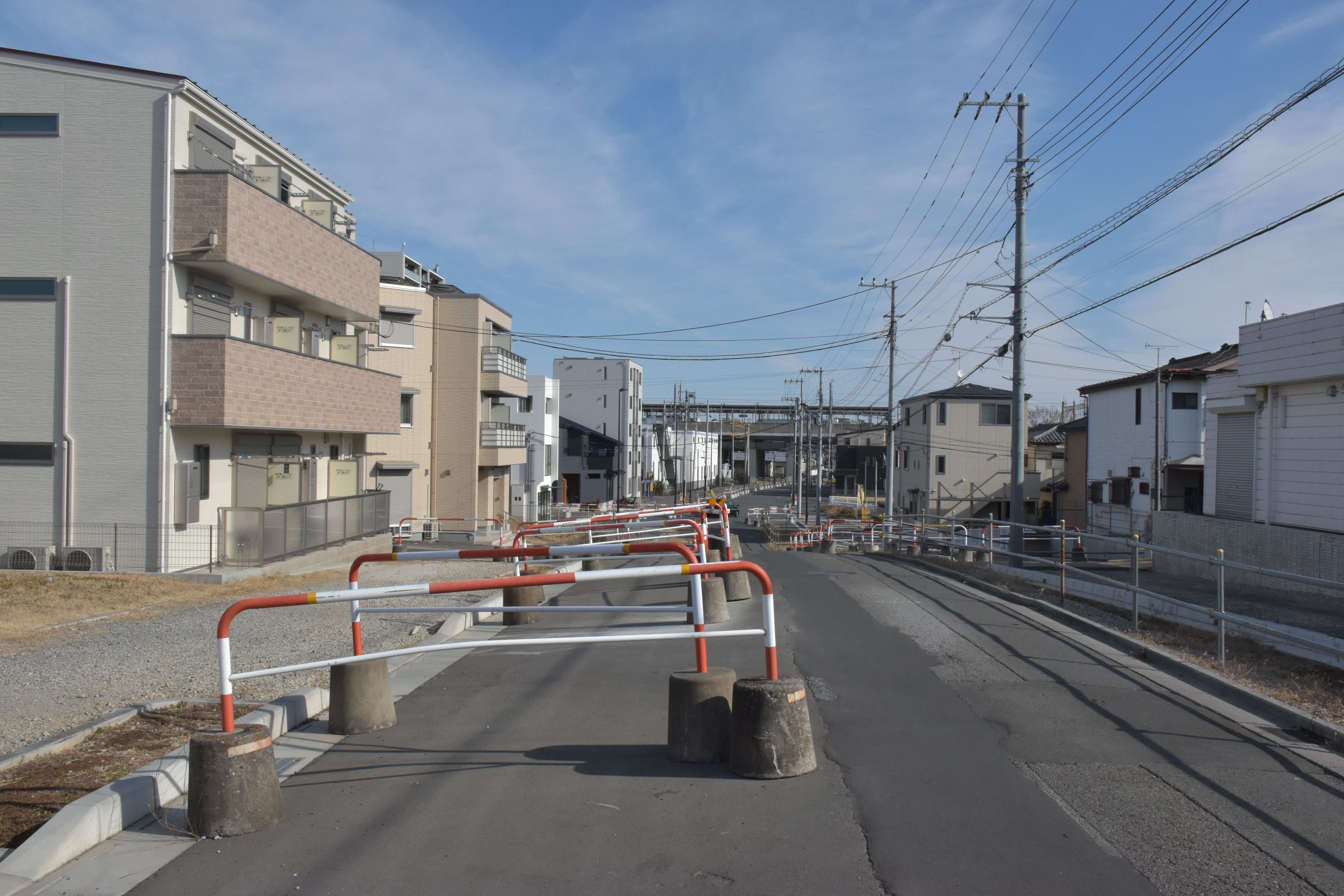
Unfortunately, this area turned out to be fairly boring.
After that, I checked out Shimo-Kitazawa, specifically the music club Shelter, the real-life inspiration behind “Starry” from “Bocchi the Rock”. Unfortunately, the area around the club is fairly cramped and they do not seem to like photographers.
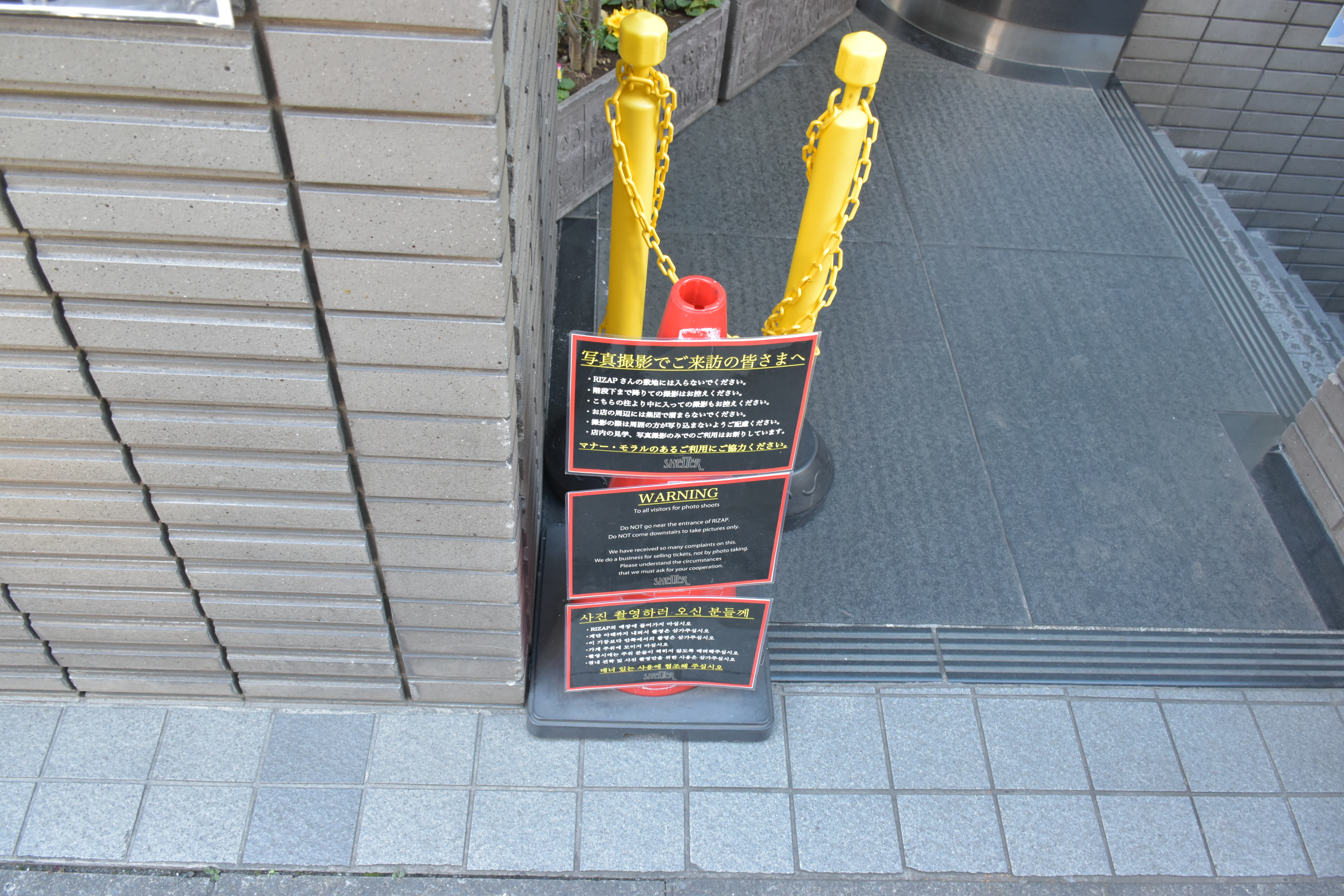
I can understand the sentiment, but there was little to no foot traffic around the staircase when I came there, and I could easily have taken a few photos from the staircase without disturbing anybody. Their wording and general attitude comes off as very rude and I left the place with some bitterness instead of photos.
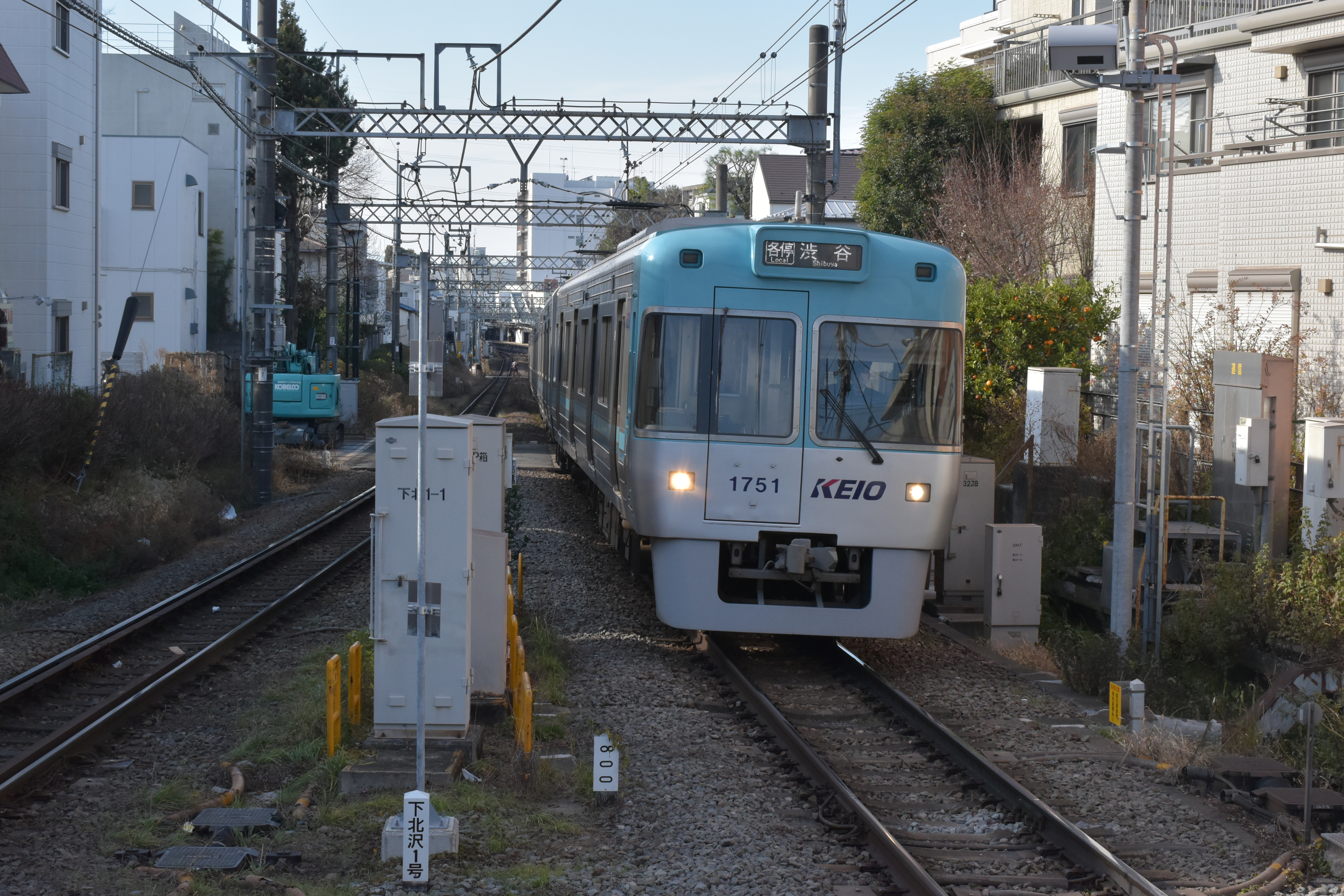
Keio 1700 EMU approaching Shimo-Kitazawa station
After that, I got some dinner, bought beer and crisps at the konbini and returned to my hotel. I was not sure if there would be any fireworks or other celebrations - as far as I could tell, there weren’t, but I ended up falling asleep at around 22:30 and might just have slept through them. I didn’t see any of the typical garbage the day after, though.
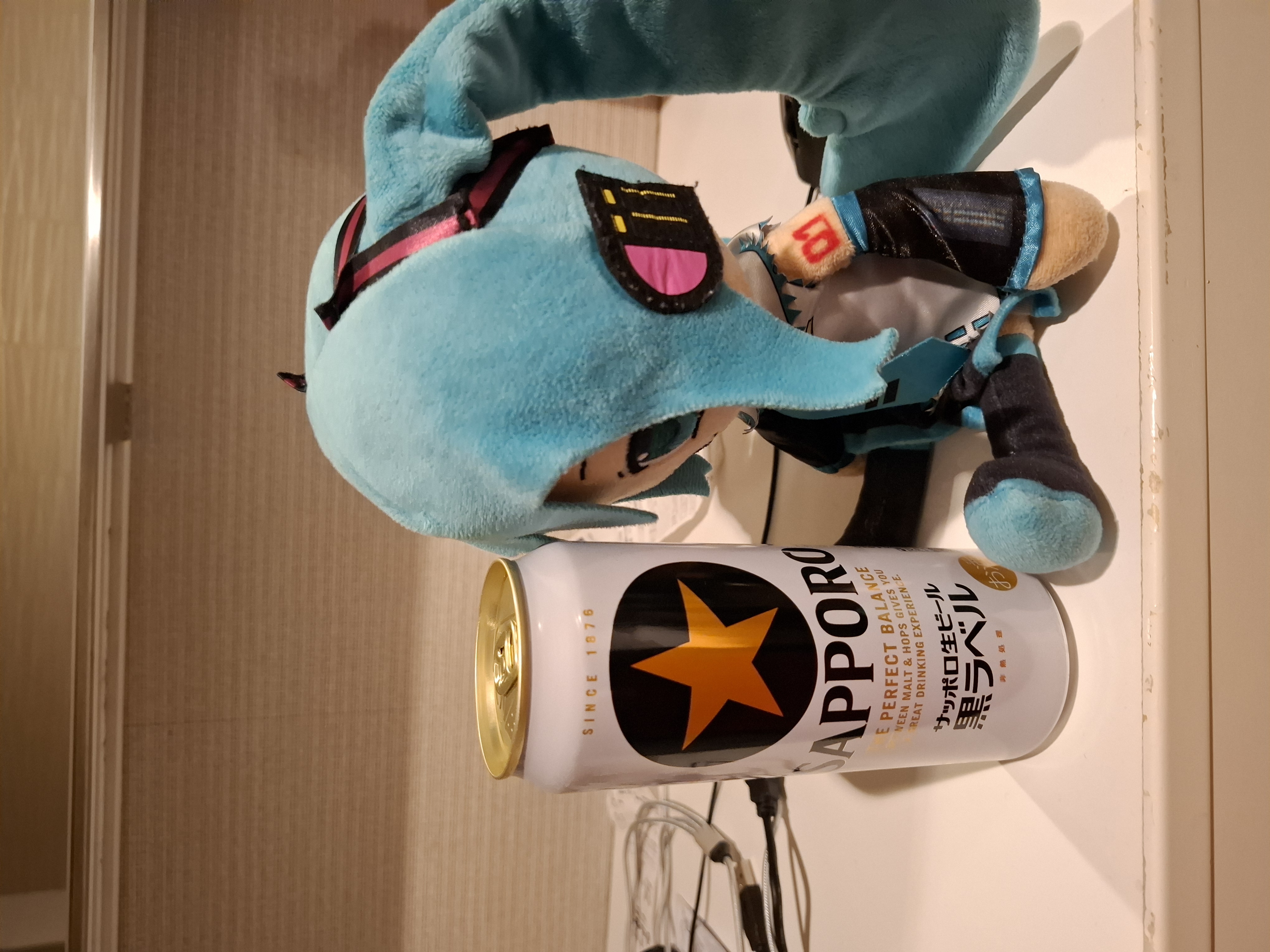
Hatsune Miku is ready to ring in the new year with a cold one from her hometown.
Thursday, January 1st
I wanted to take a trip around those neighborhoods on the west side of the Yamanote Line I had so far skipped, mostly Ikebukuro and Shibuya.
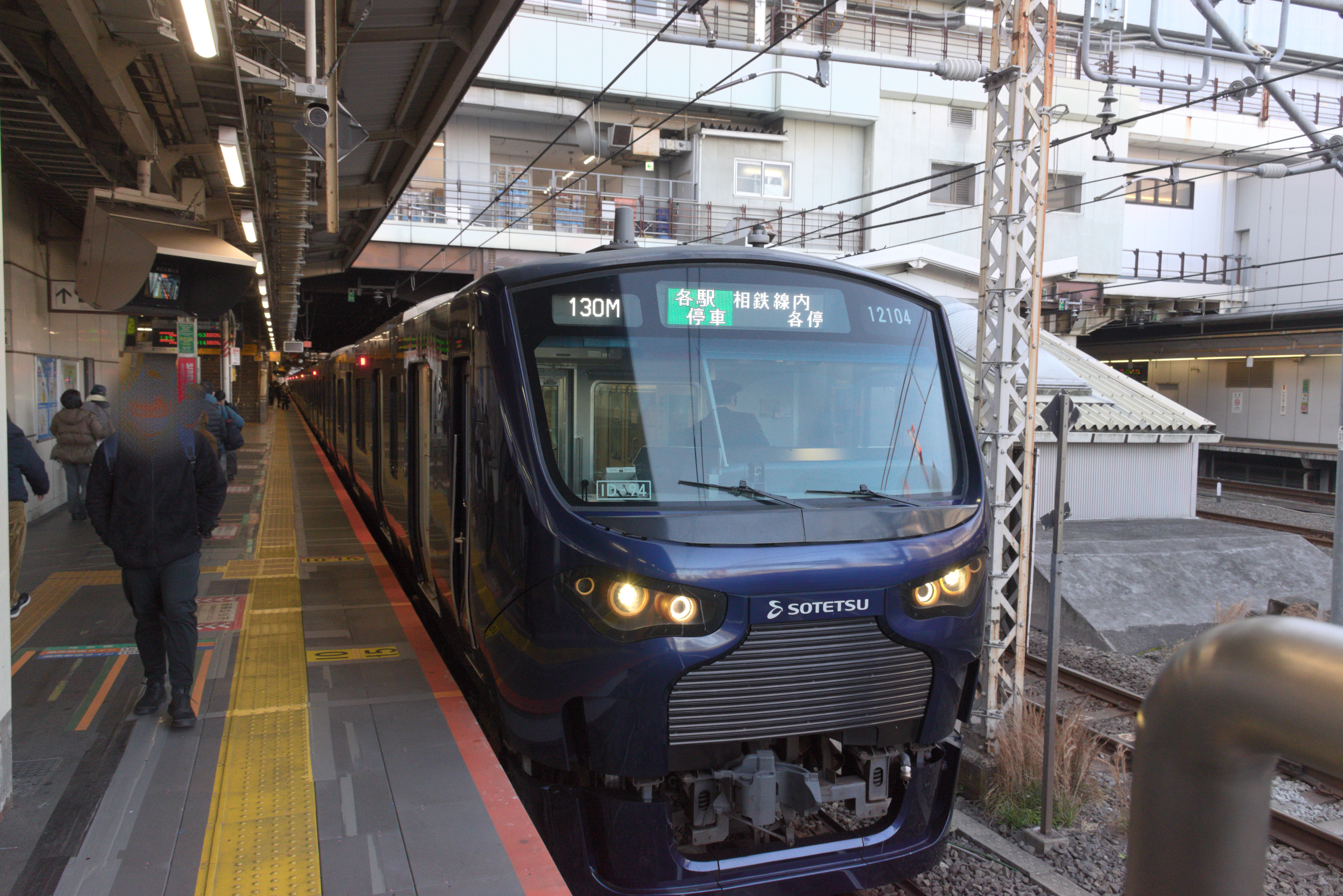
A Sotetsu through-service onto the Saikyo Line at Shinjuku Station
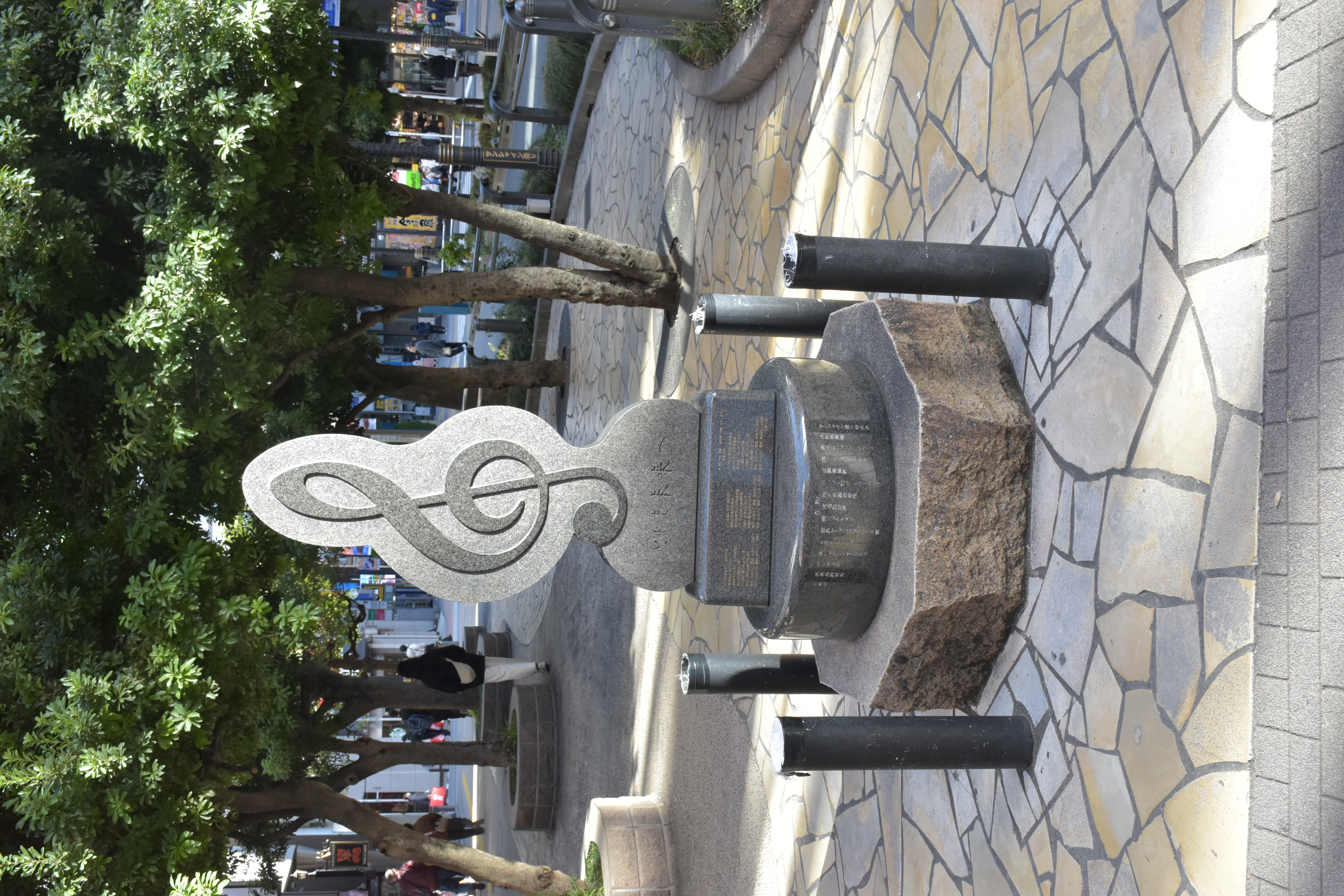
This monument in Ikebukuro features in at least one of the openings for “Durarara!”.
The Hachiko statue at Shibuya Station had a long line of people waiting to take selfies in front of them, so I did not get a good photograph. But I did get some Ikinari Steak nearby.
After that, I wanted to check out some of the railway companies I had so far missed, so I went to Yokohama with the Tokyu Toyoko Line and then to Tsurumi via the Keikyu Line.
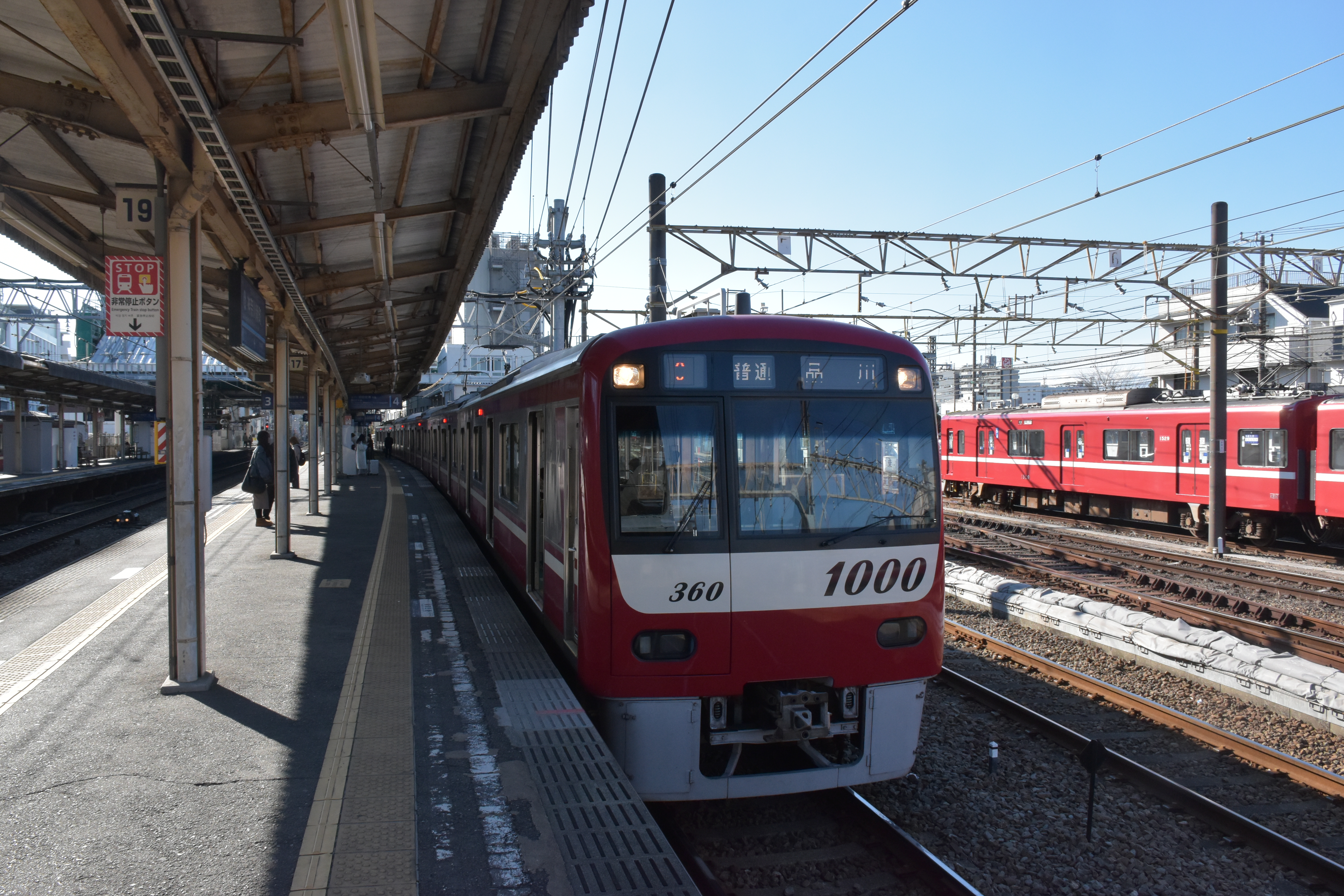
Keikyu New 1000 Series EMU on a local service at Kanagawa-shimmachi, waiting to be overtaken by an express train
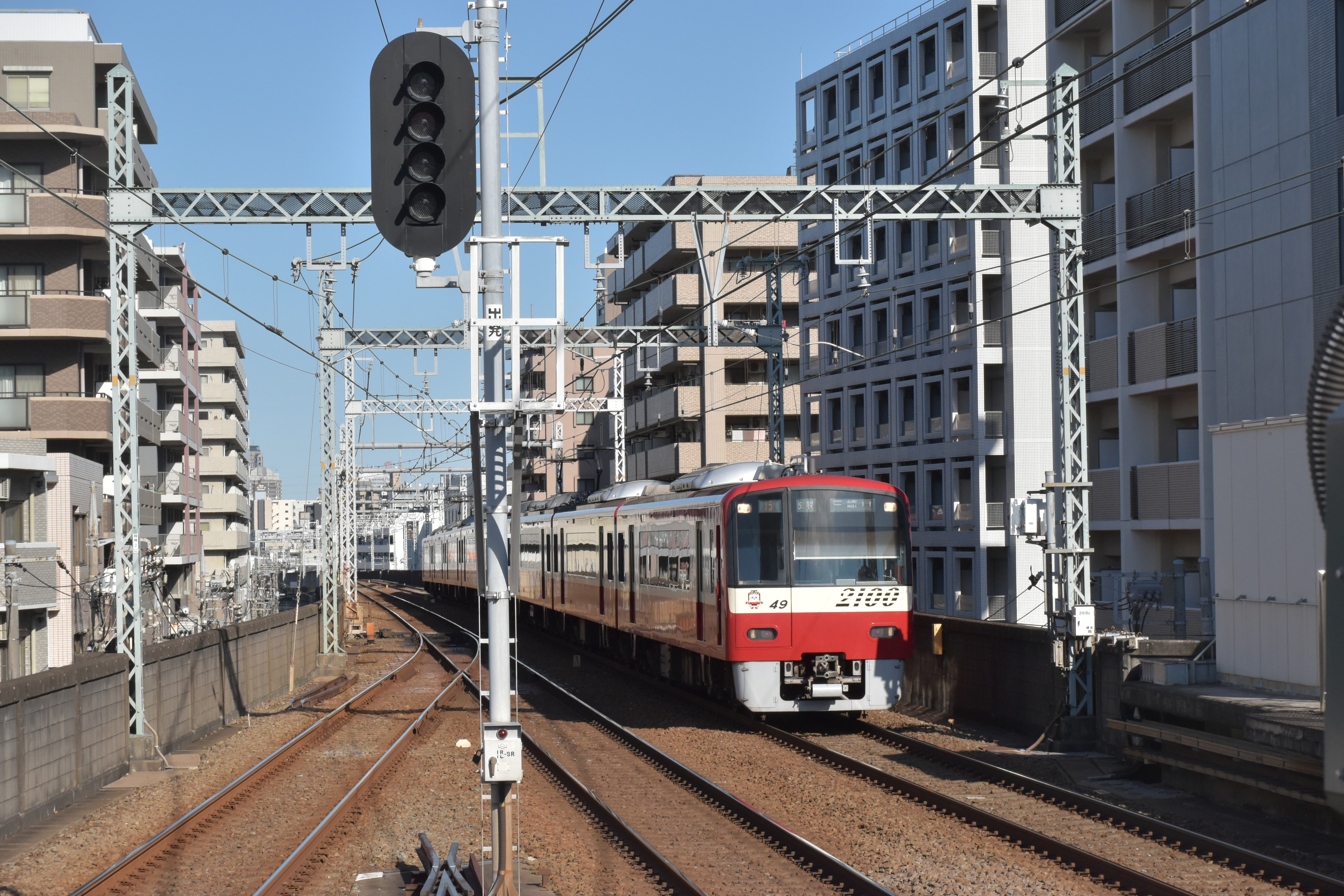
Keikyu 2100 Series EMU on a rapid service
At Tsurumi, I caught the JR Tsurumi Line and headed to Kokudo Station, which is renowned known for occasionally remarked upon for its age and general lack of modernization.
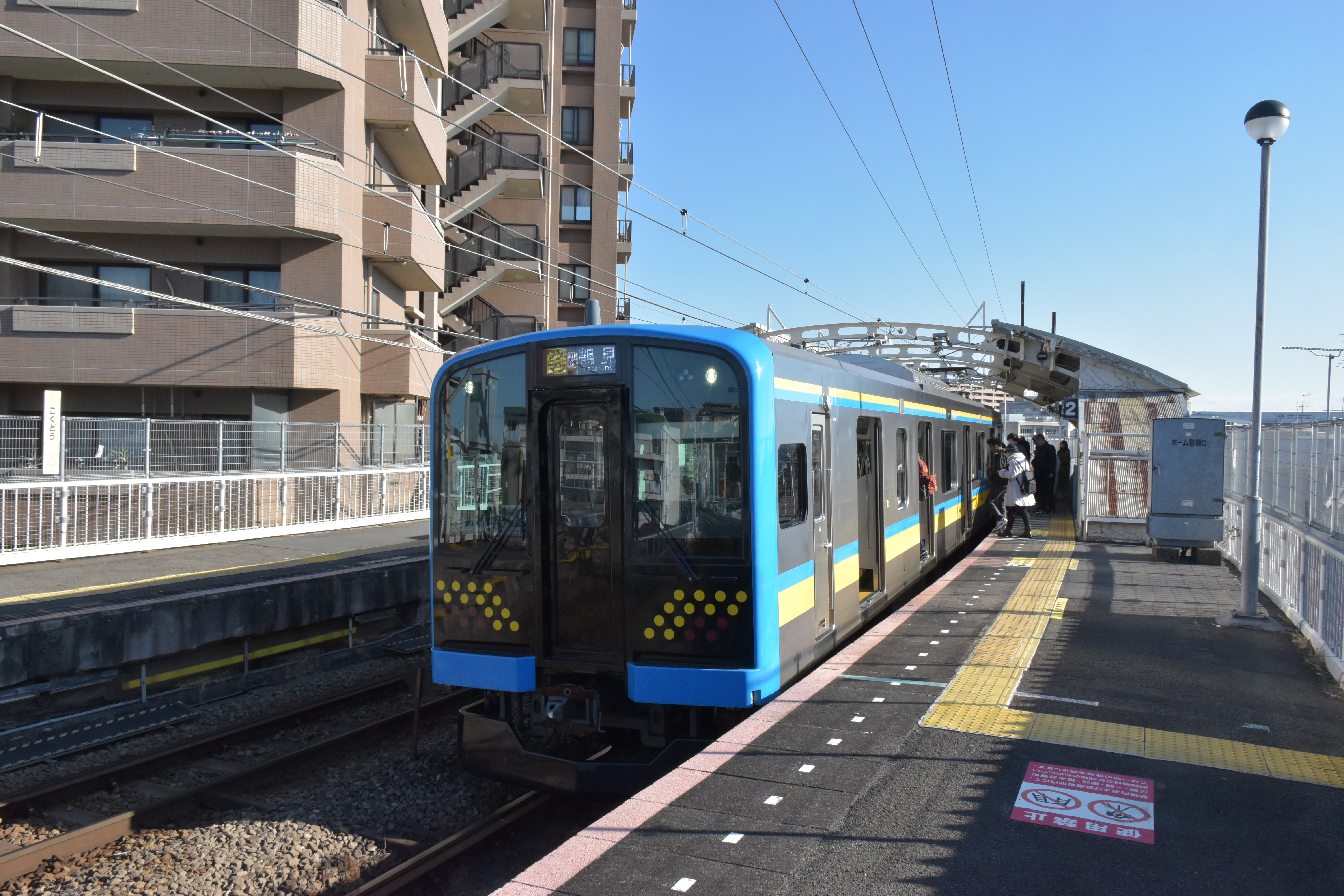
The platform area looks decent enough.
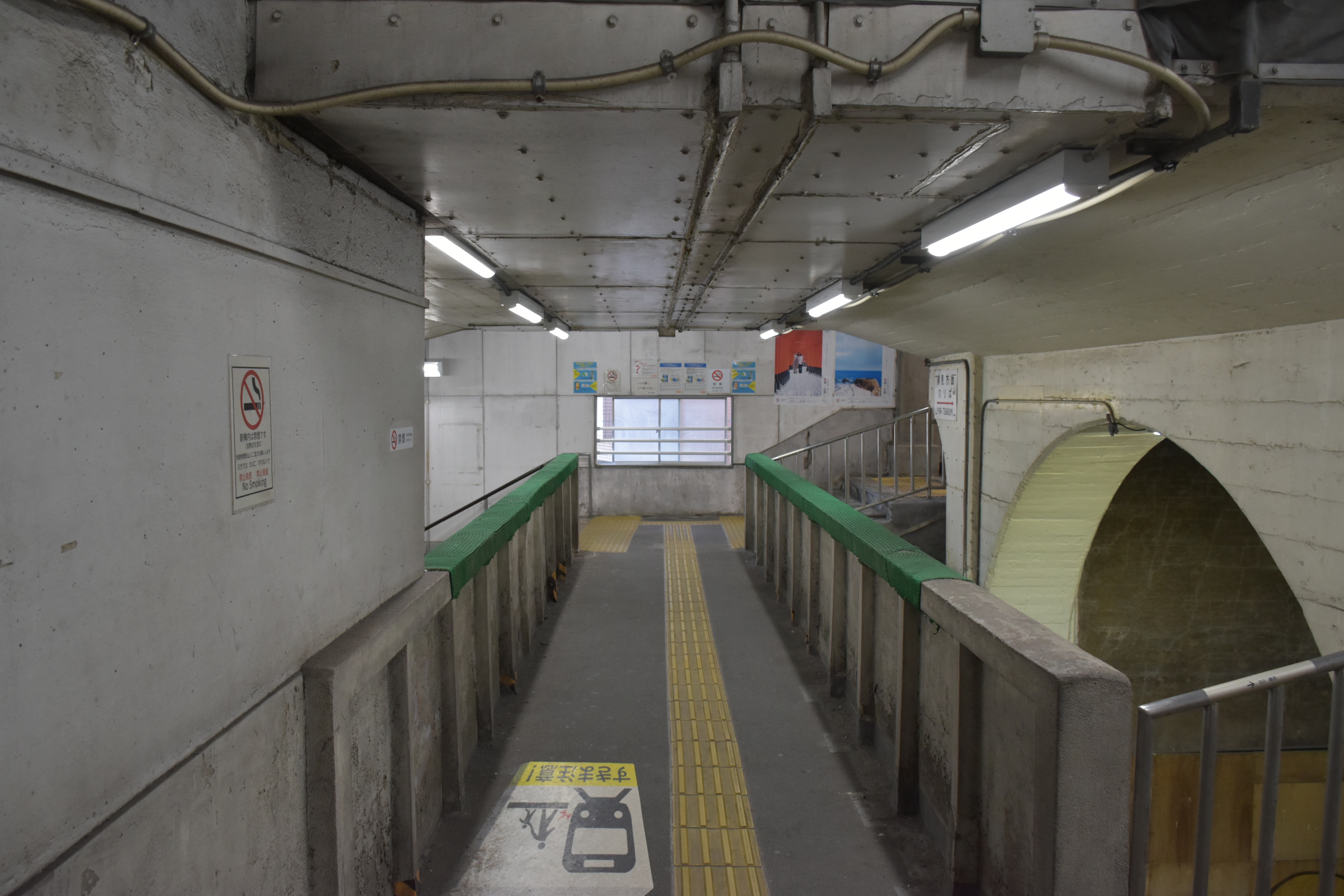
On the way down to street level, things become more rustic.
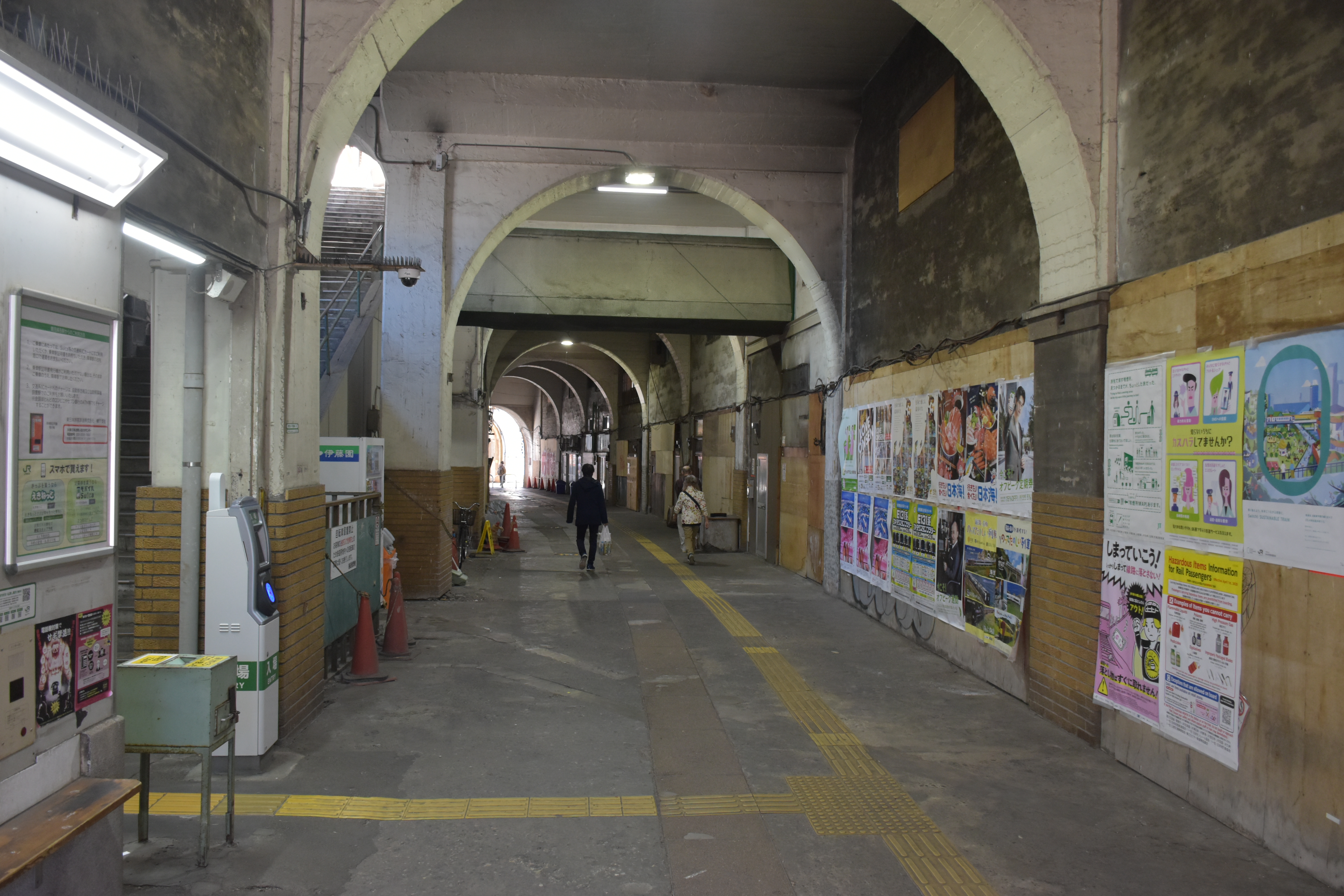
The station entrance at street level also looks very antiquated.
Still, the station is usable, clean, and even has a toilet, which puts it ahead of many more modern stations of this size in Germany.
On the way back to the hotel, I found out via the info screens on the train that operation on the Utsunomiya Line had been suspended for the rest of the day due to a collision with a road vehicle at a level crossing. Japan’s trains are generally very reliable and punctual but in the West, this occasionally gets exaggerated into the trains being always on time and even a minute of delay being worthy of extended apologies by the staff, and to be honest, part of why I wanted to go to Japan so badly was to get a sense of how reliable operations really are. I have mentioned this a few times before, but smaller delays of up to 15 minutes are everyday occurrences. I’ve been on a train that just stood at a station for three minutes past its departure time for no apparent reason, I saw a Shinkansen depart a minute late because boarding at the station took too long, and there was almost always some delay somewhere in the Tokyo area. That said, punctuality rates definitely are much better in Japan than in any other country I have ever been in, and even the bout of snow on my trip to Himeji had no real operational impact. But you simply cannot make a railway network entirely safe from vehicle or signal malfunctions, medical emergencies, people getting onto the tracks or being hit by trains, or simple overcrowding affecting boarding speeds, or from external factors like vehicles intruding onto railway tracks. Japan can and should serve as evidence that railway systems can be extremely reliable, but it is important not to exaggerate that into perfection.
Sorry, I’ll get off my soapbox now.
Friday, January 2nd - Gunma
I headed towards Takasaki to try and ride the 211 Series.
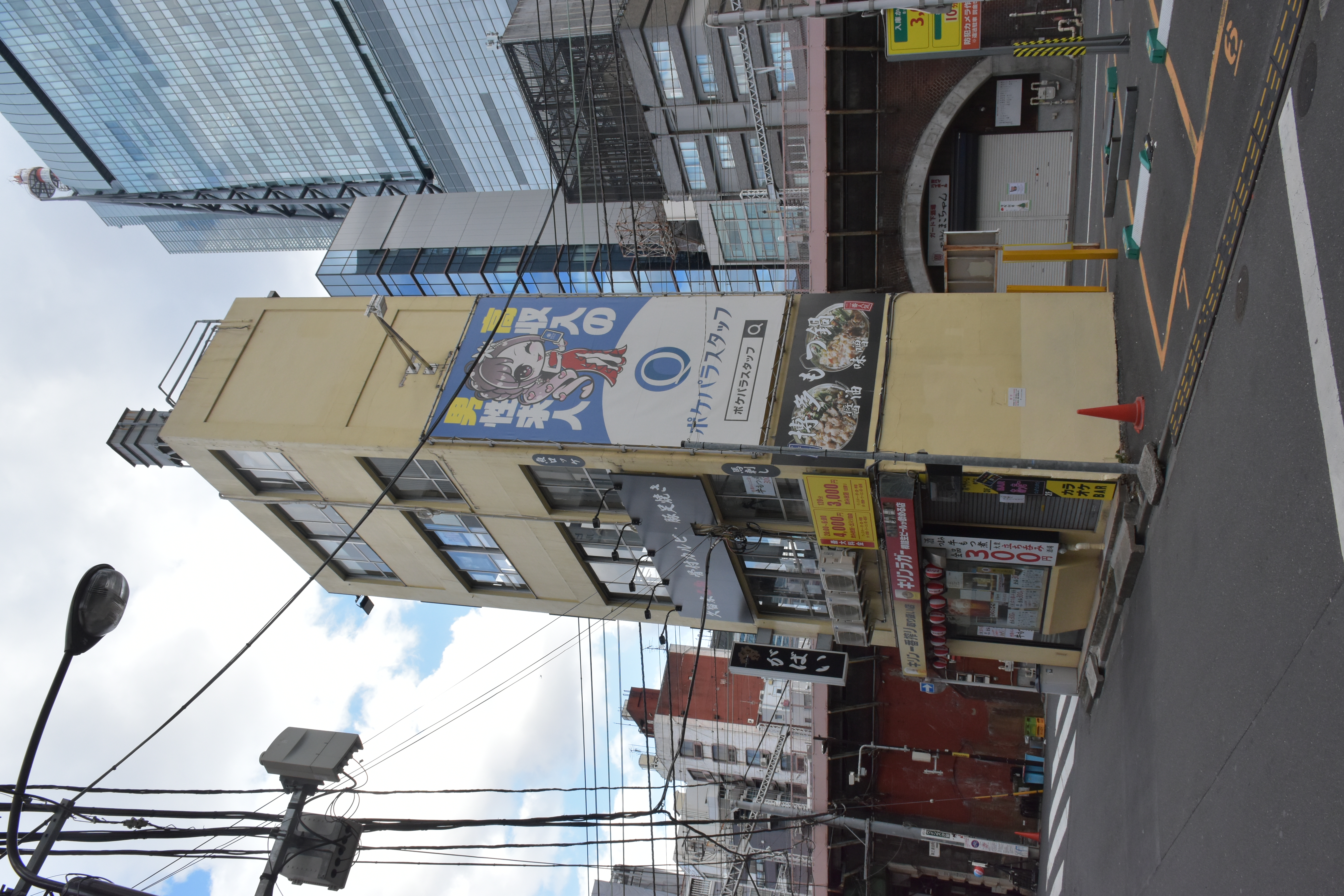
A weird house near my hotel
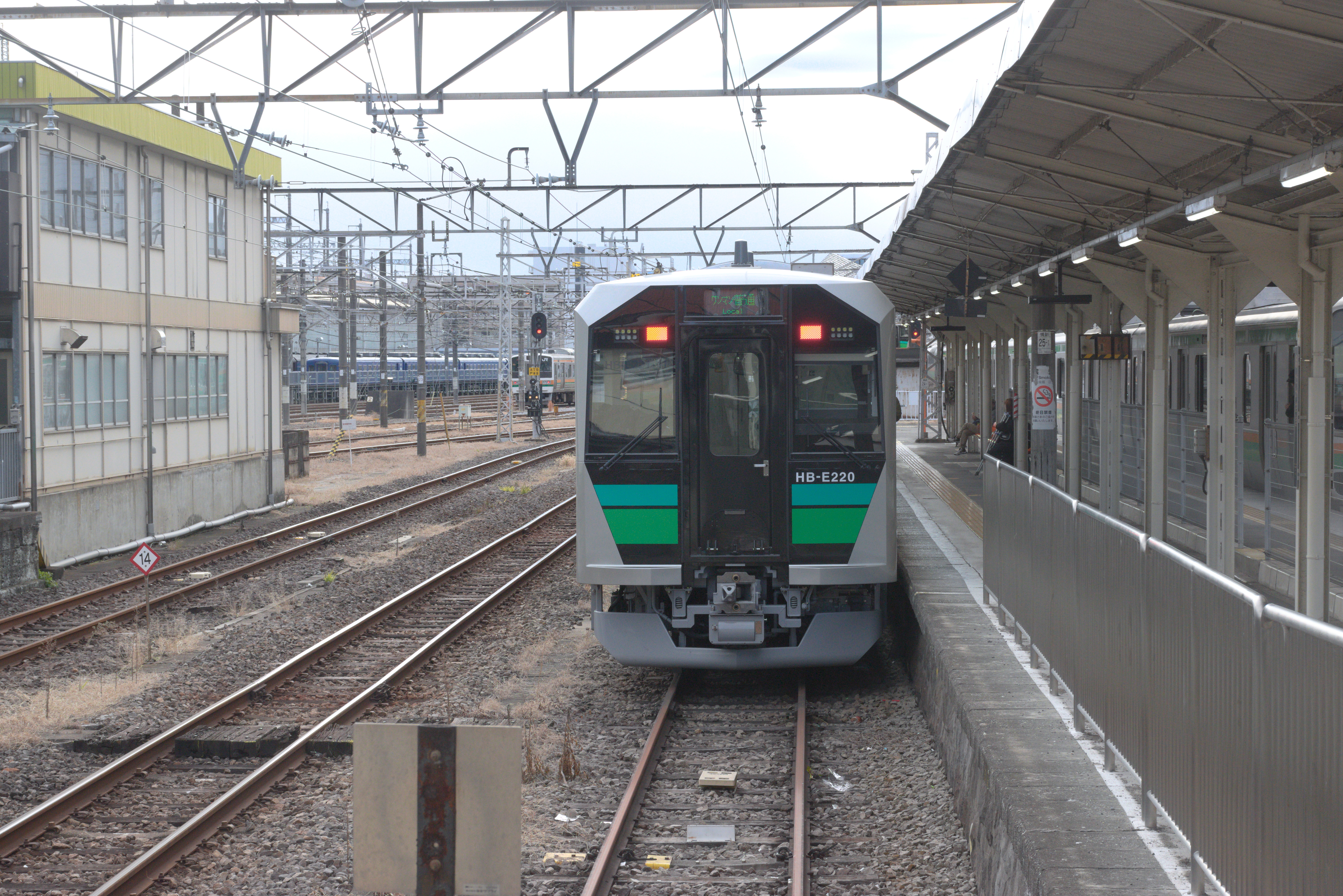
The HB-E220 hybrid DMU has recently been introduced to the Hachiko line, connecting Takasaki to Hachioji. (No relation to the dog at Shibuya Station.)
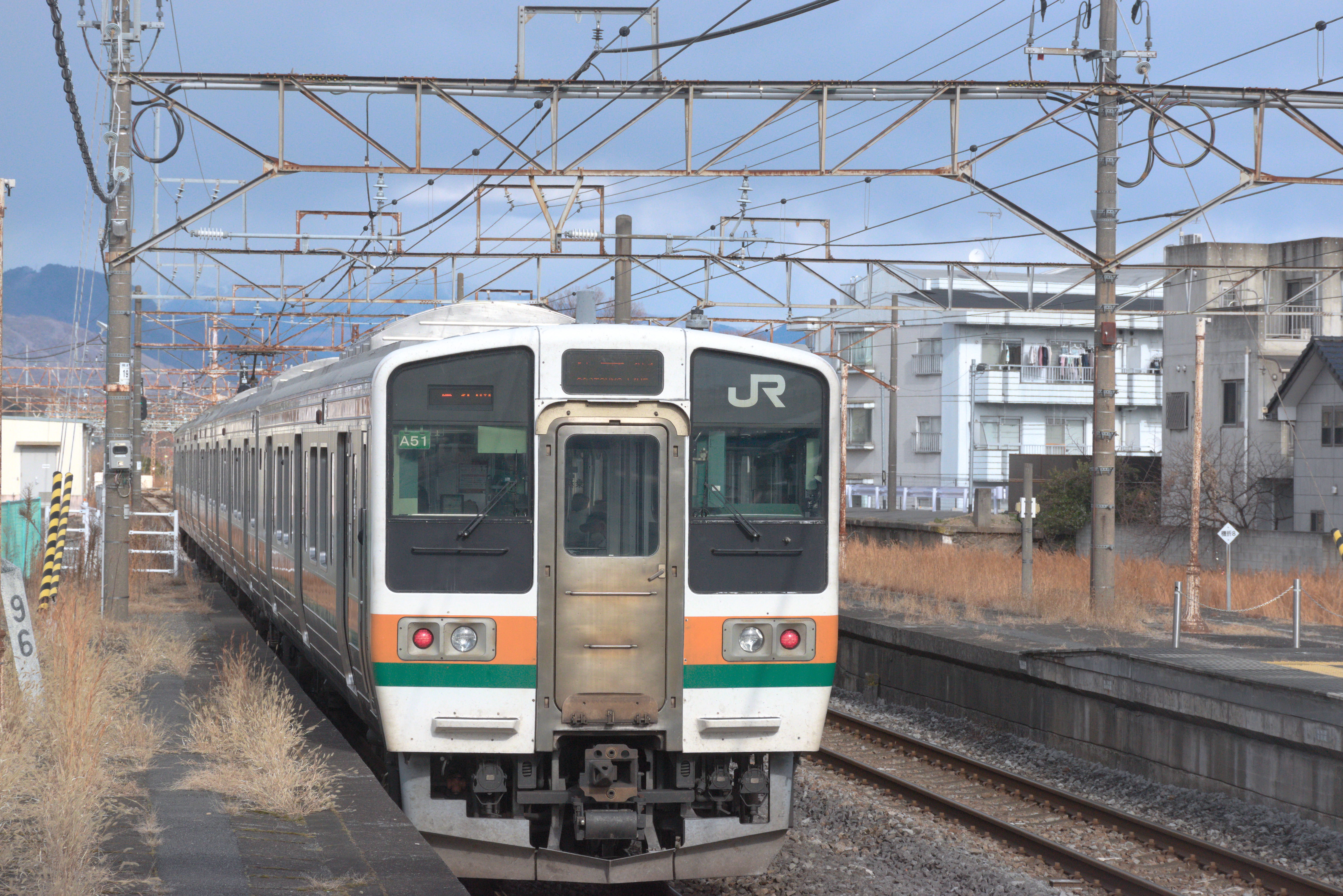
Trains from Tokyo to Takasaki are largely operated with the E231 and E233 Series, but most of the trains onward from Takasaki are still run by the 211 Series. I rode this one to Shibukawa (setting for the street racing manga and anime “Initial D”), and another one back to Takasaki.
Saturday, January 3rd - Skytree
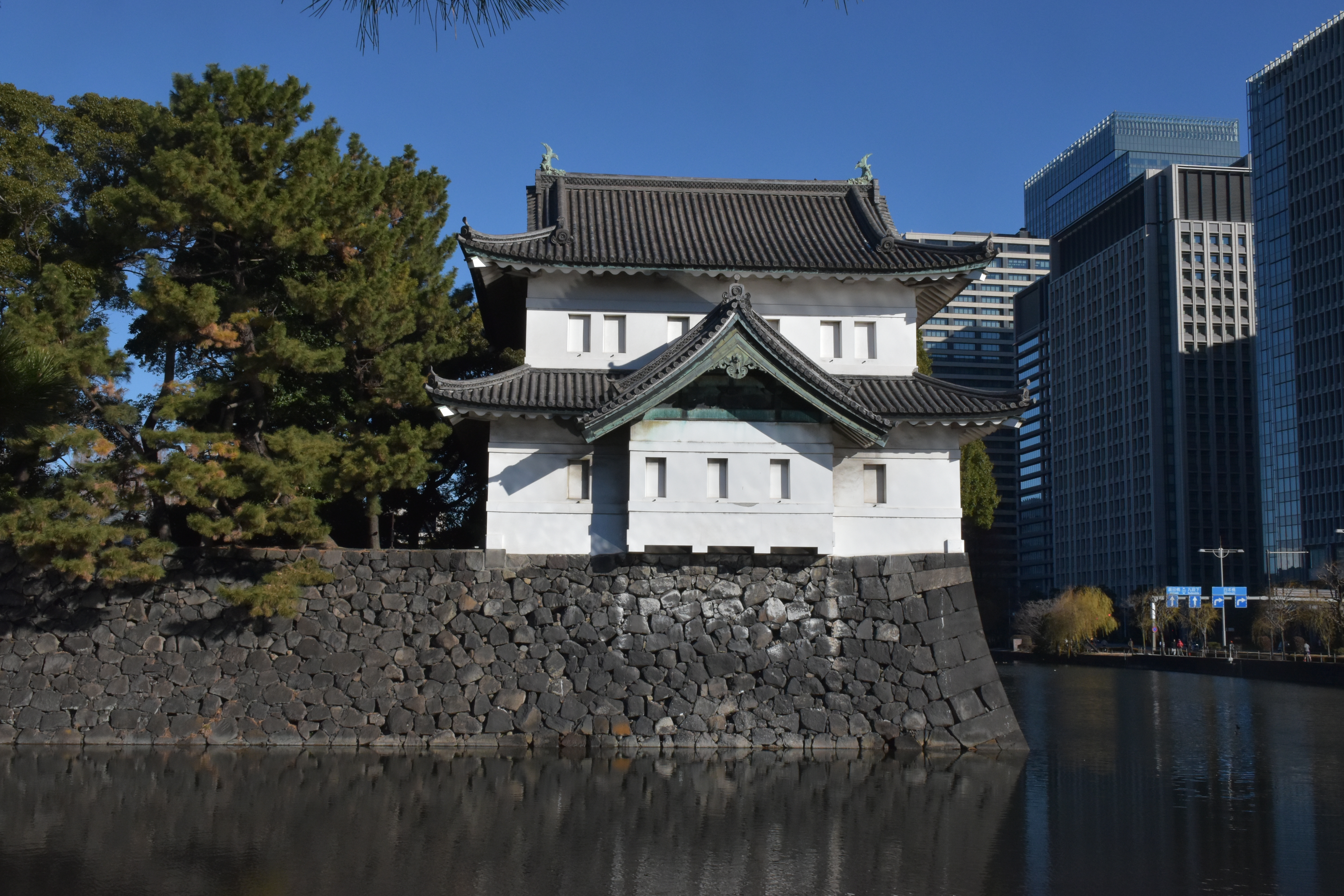
I started the day with a short trip along the Imperial Palace, although most of the parts of the palace grounds I was able to access felt like parking lots. Some of them actually were parking lots.
Next up was the Skytree. I don’t actually like the Skytree, it is nowhere near as iconic as the Tokyo Tower in my opinion, but still.
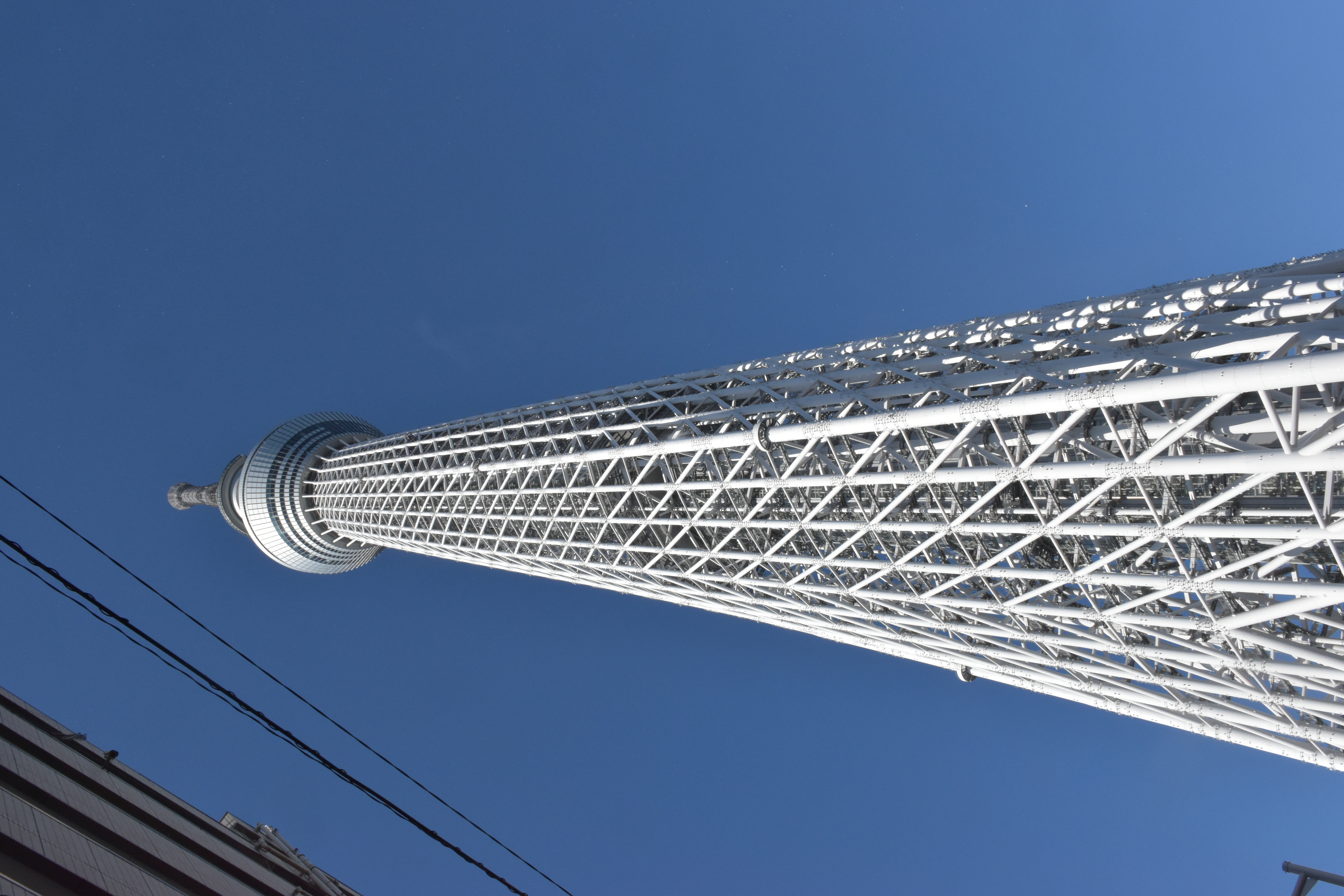
It had snowed during the night. Most of it had melted away already, but there were small flakes being blown off the tower constantly.
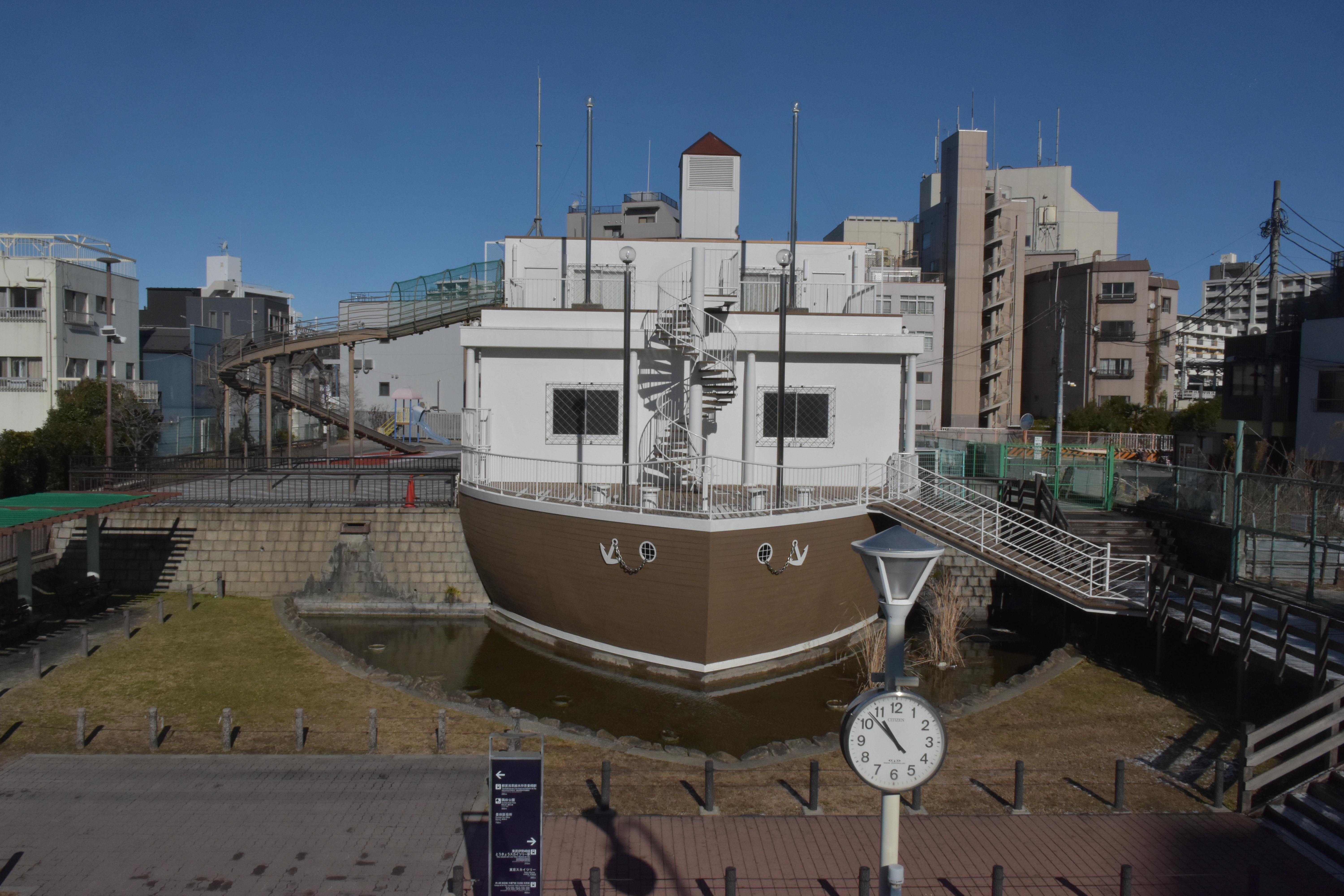
This odd boat-house-thing is situated in nearby Oyokogawa Shinsui Park.
After that, I went trawling for souvenirs in Akihabara for one last time and packed my bags for the flight home.
Sunday, January 4th
I checked out of the hotel early in the morning, had one last konbini cream puff, took the Keikyu Line to Haneda Airport, stood in line at the baggage drop for almost an hour, and flew home.
Overall impressions
I really enjoyed my trip and would have liked to stay an additional week! Usually I am badly homesick after a week or two.
Overall, I really liked the food. Eating out in Japan is sometimes a bit annoying because, while there are a lot of restaurants, most of them are very, very small. During lunch hours especially, it is common to see long lines. I tried my best to avoid those and search for less crowded restaurants, or eat lunch a bit early, and for the most part I got by without waiting more than a few minutes. Nearly every place I ate had a system for ordering via smartphone, or via a vending machine that takes your order and payment and spits out a ticket to hand over to the staff. At big chains like Matsuya, these machines generally know English, but many ramen places in particular use older machines with physical buttons that are generally only labelled in Japanese. In these cases, Google Translate is unfortunately a must-have unless you speak and read Japanese.
My favourite food was katsu-curry, but I also had some really nice ramen and curry-udon, and I really enjoyed Ikinari Steak’s, um, steaks.
A lot of people do not speak English, or only speak very basic English. I do not know enough Japanese to hold a proper conversation, but I can at least string together simple sentences like “do you have X”. Some shops have prepared cards or signs the cashiers can point at to clear up any confusion, and the last Ikinari I visited handed me a card that explained how to eat their steaks in English. A bit redundant, but an effort was made. Overall, things felt awkward occasionally, and I had far better luck communicating in English when I stayed in Paris, but got by somehow. Still, I am glad that I have at least some very basic language skills, and would have felt deeply out of place without them.
The Shinkansen and JR’s express trains are fairly spacious, and had enough leg room for me despite my large size even in 2nd class. I got my 1st class rail pass mostly due to leg room concerns and because I thought it might be easier to get seats in 1st than in 2nd. In hindsight, my thoughts on this decision are mixed. Even 2nd class in the Shinkansen is more comfortable than Lufthansa’s coach class, and some Shinkansen trains have staggeringly little 1st class space. North of Tokyo, trains generally have 1 car of 1st class (Green Car), and an additional car of JR East’s Super-Duper-Mega-1st Class, where the “Green Car”/1st Class Rail Pass cannot be used. Worse, some trains on the San’yo Shinkansen have half a car worth of Green Car within an 8-car train, and some even have no Green Car at all. Limited Express trains also tend to have relatively little Green Car space or sometimes none at all. I saw several trains where 1st was booked out and seats were still available in 2nd. 1st class also always requires a seat reservation on Shinkansen and Limited Express trains, whereas most trains have some non-reserved seats in 2nd. The process for reserving seats is a pain in the ass: You can reserve a seat online, but then have to go to a seat reservation machine at the station, present your rail pass, enter your passport number (!) and then get the reservation printed out on paper. It is annoying and unnecessarily customer-hostile.
On the bright side, some local and rapid trains in the Tokyo area also have Green Car space, which does not require a seat reservation, and generally does not nearly as crowded as the 2nd class on those trains. Outside of the Tokyo area, this does not apply.
Most things in Japan just aren’t built for someone of my size. Tables at most restaurants felt cramped (although I admittedly mostly went to cheap chain places), with not nearly enough elbow room if sat between two other patrons at the bar (which happened to me frequently). I needed to bow down every time I got onto or off a train and bonked my head more than once. Inside the trains, hand straps and advertisements hanging from the ceiling were so low I had to bow down when passing them, too, and I spent multiple train rides standing with an ad pressed against my head. The longitudinal seats that are installed in most local trains are also not really good for sightseeing out of the windows.
A lot of trains I went on were crowded or overcrowded. I can understand that within the metropolitan areas, where many lines run at high capacity and running even more trains during rush hour just isn’t viable. But even the small KiHa I used between Teramae and Wadayama had people standing in off-peak hours. Surely running a single railcar once per hour is not all the infrastructure can take? Surely, adding a second car would be possible if the political will was there. Admittedly, the local trains have extremely low fares, which at least partially excuses the low comfort standards on them. Still, I would be pissed if I had to use trains like that for a daily commute.
There’s a lot more, and I am honestly still processing my impressions, but I think I’ve rambled enough for the time being. Thanks for reading!