I am in Japan! (At least I am while writing this part.)
I’ve wanted to go there since 2018, finally had the funds to go in early 2020, and then COVID struck. After that, various personal things got into the way, and only this summer did I finally decided to spend my christmas vacation this year there.
The itinerary was rather simple: one week in Tokyo, then one in Osaka, then another week in Tokyo. All direct flights from Munich to Japan go to Haneda, and I did not want to take a multi-hour train trip directly before going onto a 14-hour flight. Thus, staying in Tokyo for the first and last part of the trip, and bracketing Kansai in between, seemed to make sense.
Monday December 15th - Arrival
South Japan was tightly covered in clouds, but around Ōsaka, the cloud cover vanished and we descended with amazingly clear views of Fuji and the shipping around Tokyo.
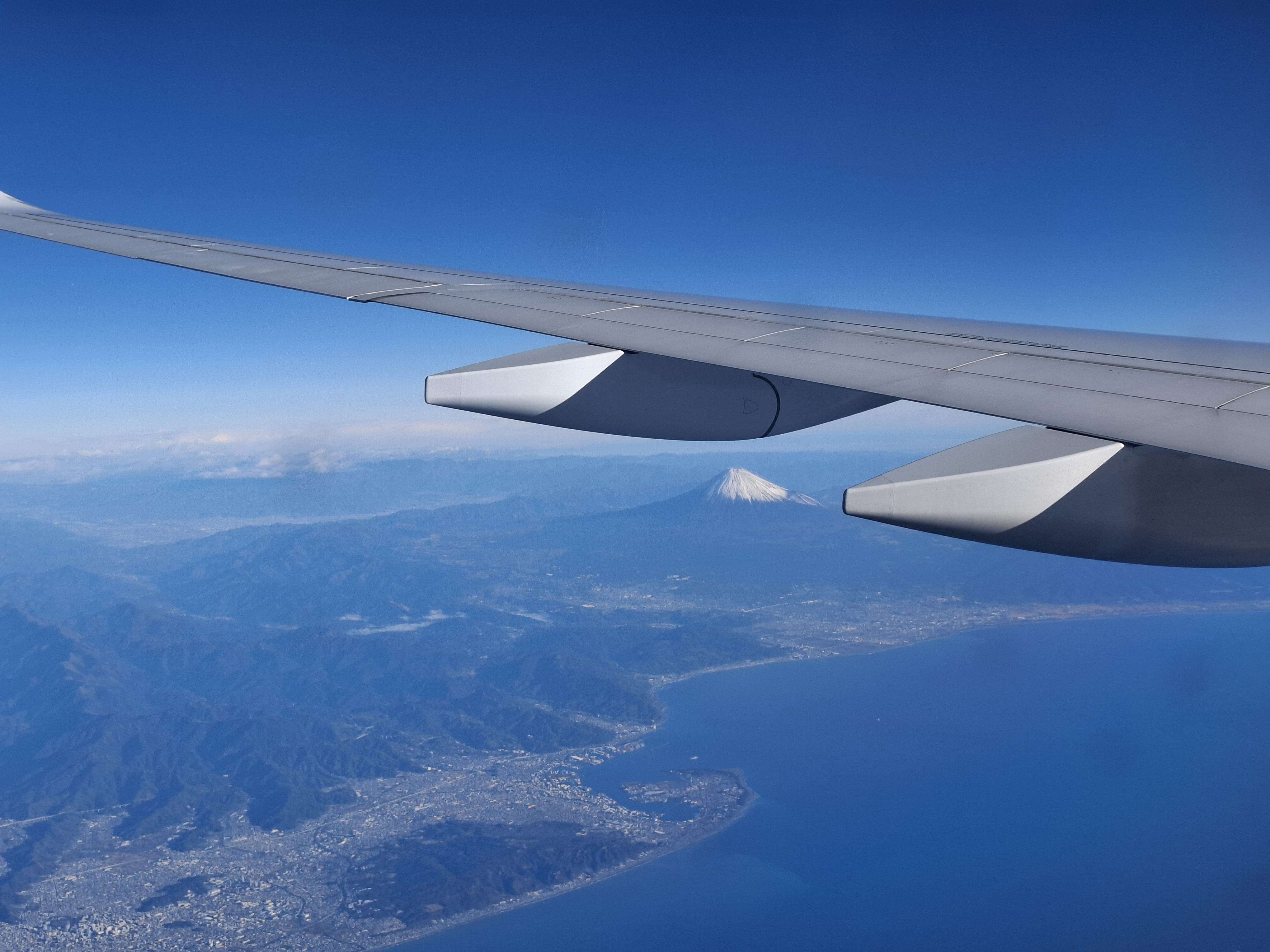
The rest of the day was mostly filled with the usual: immigration formalities, picking up tickets (a JR Rail Pass and a Suica IC card for everything else), trying to get my eSIM to work, checking in at the hotel, and getting something to eat after the awful food on the plane. On the way to the hotel, I already got to scratch the Tokyo Monorail off my to-do list.
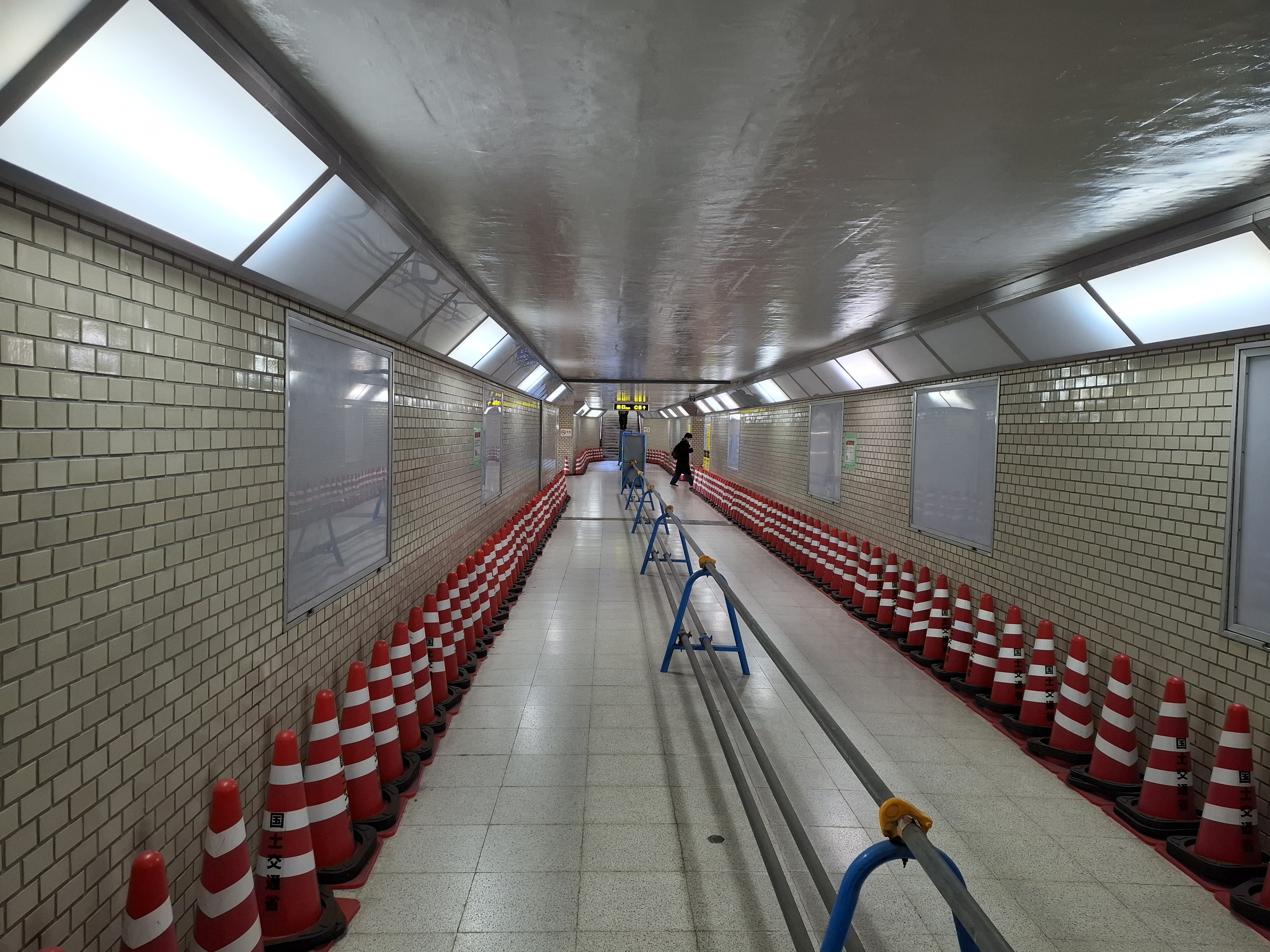
My hotel was near Bakurocho station on the JR Sobu Rapid line. Bakurocho station might be the ugliest and worst-maintained station I saw during my entire trip, despite being relatively new (opened 1972). It features an indoor waterfall at platform level, and this amazing liminal space.
Tuesday December 16th - Chiba
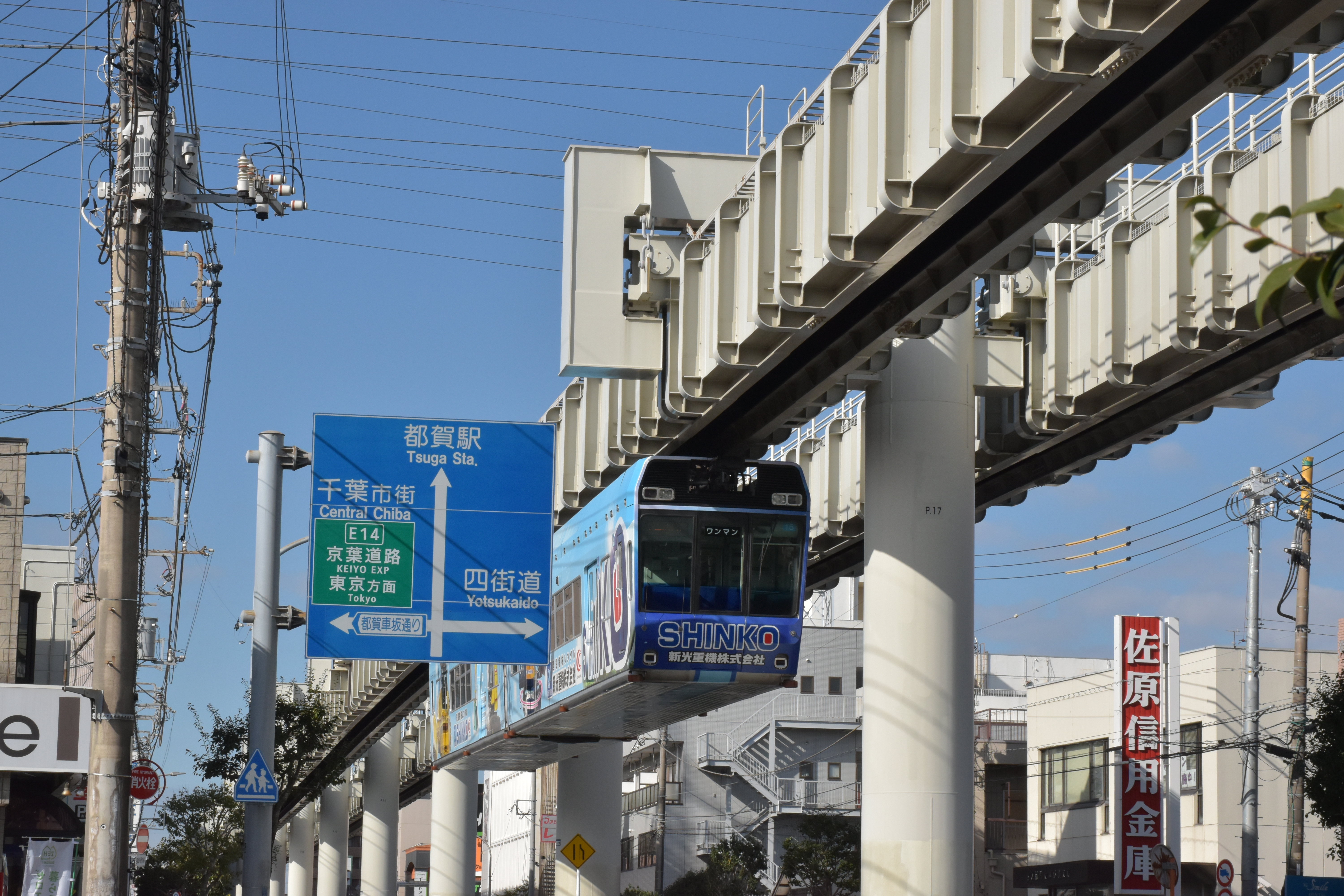
Chiba has the world’s longest suspended monorail system, at 15.2 kilometers. My goal was to ride the entire system, which can easily be accomplished in two hours or so. I took some nice photos of the monorail itself, and some of the connecting JR East railway lines in the process.
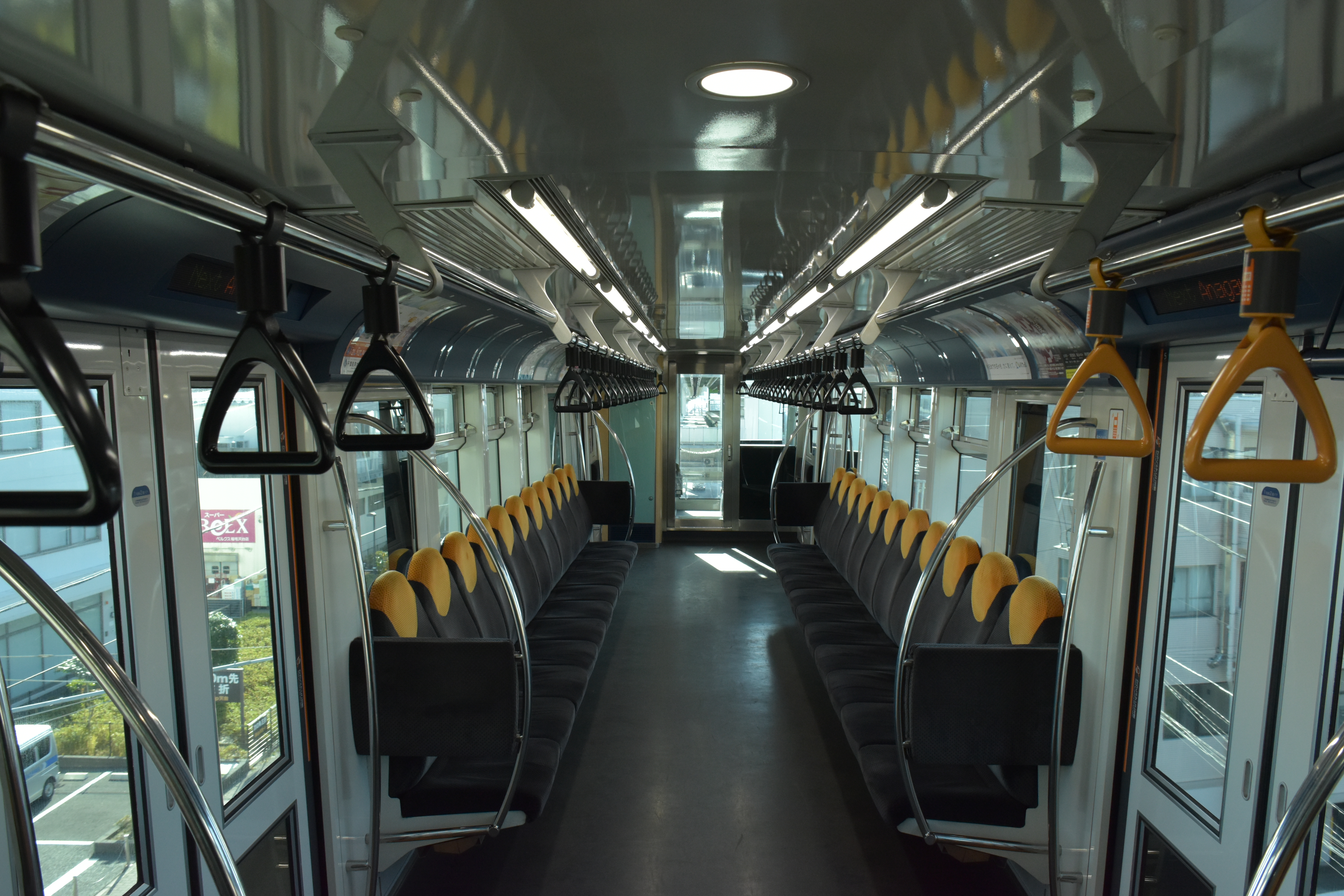 Chiba Urban Flyer interior - rather fancy for urban transport
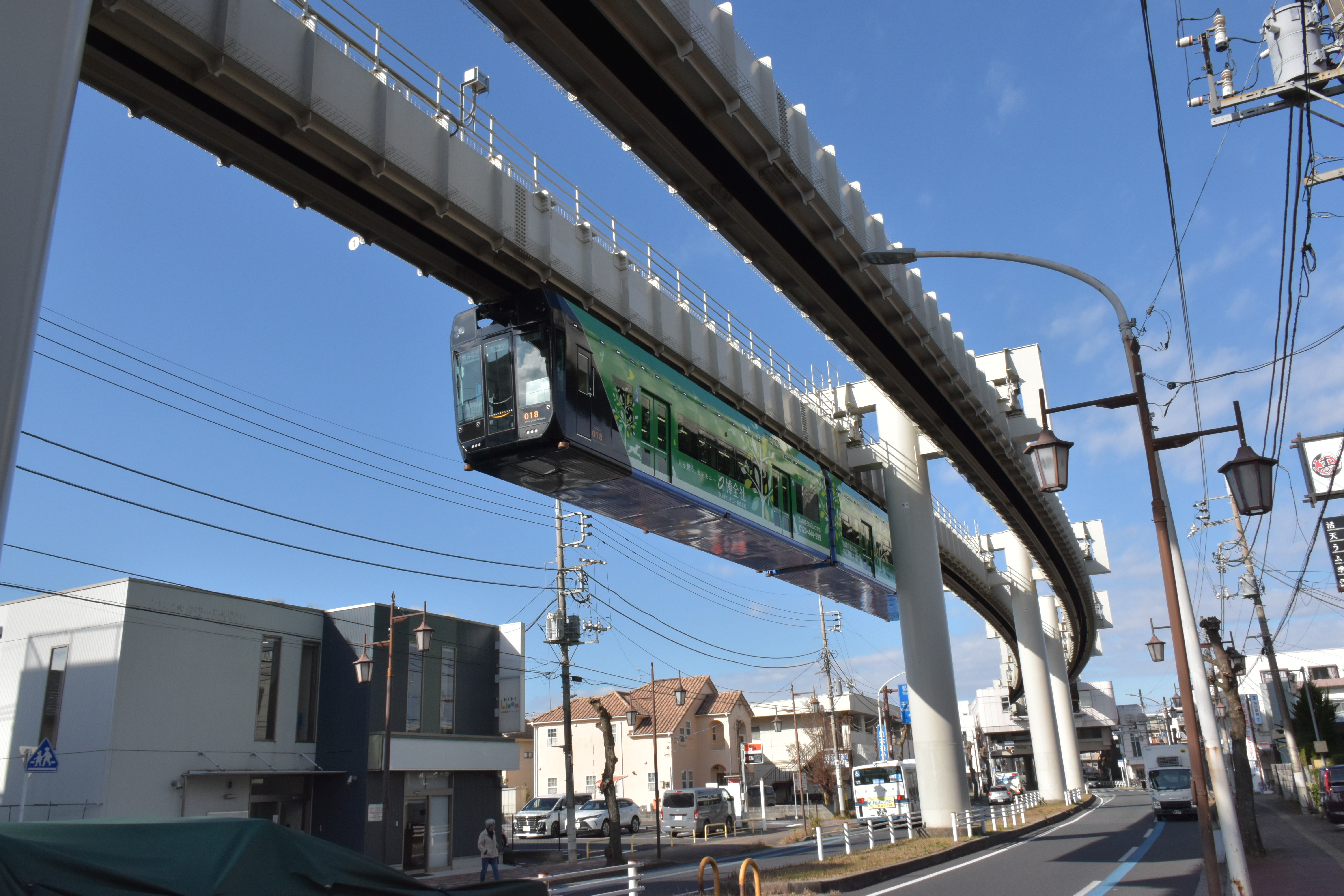
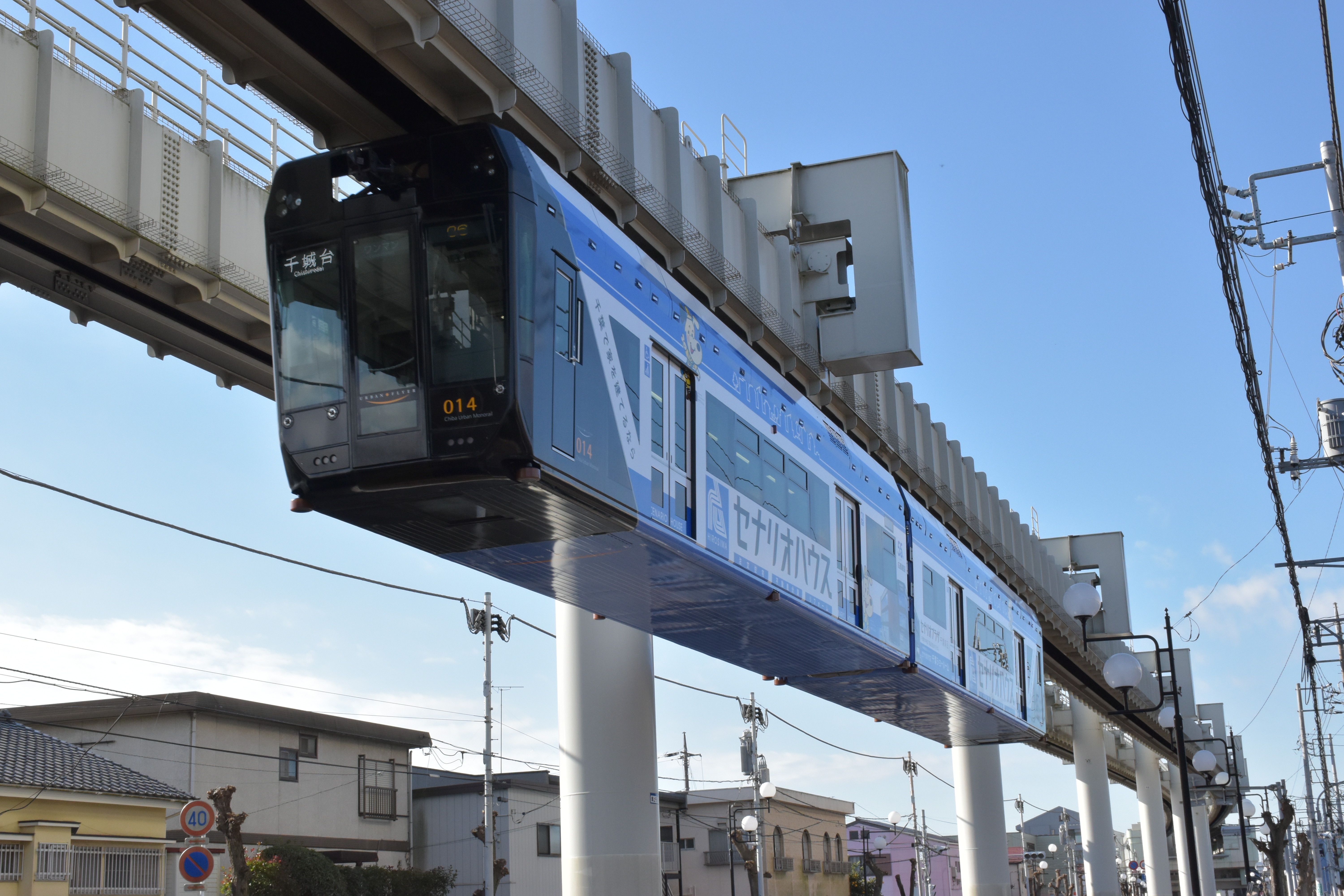
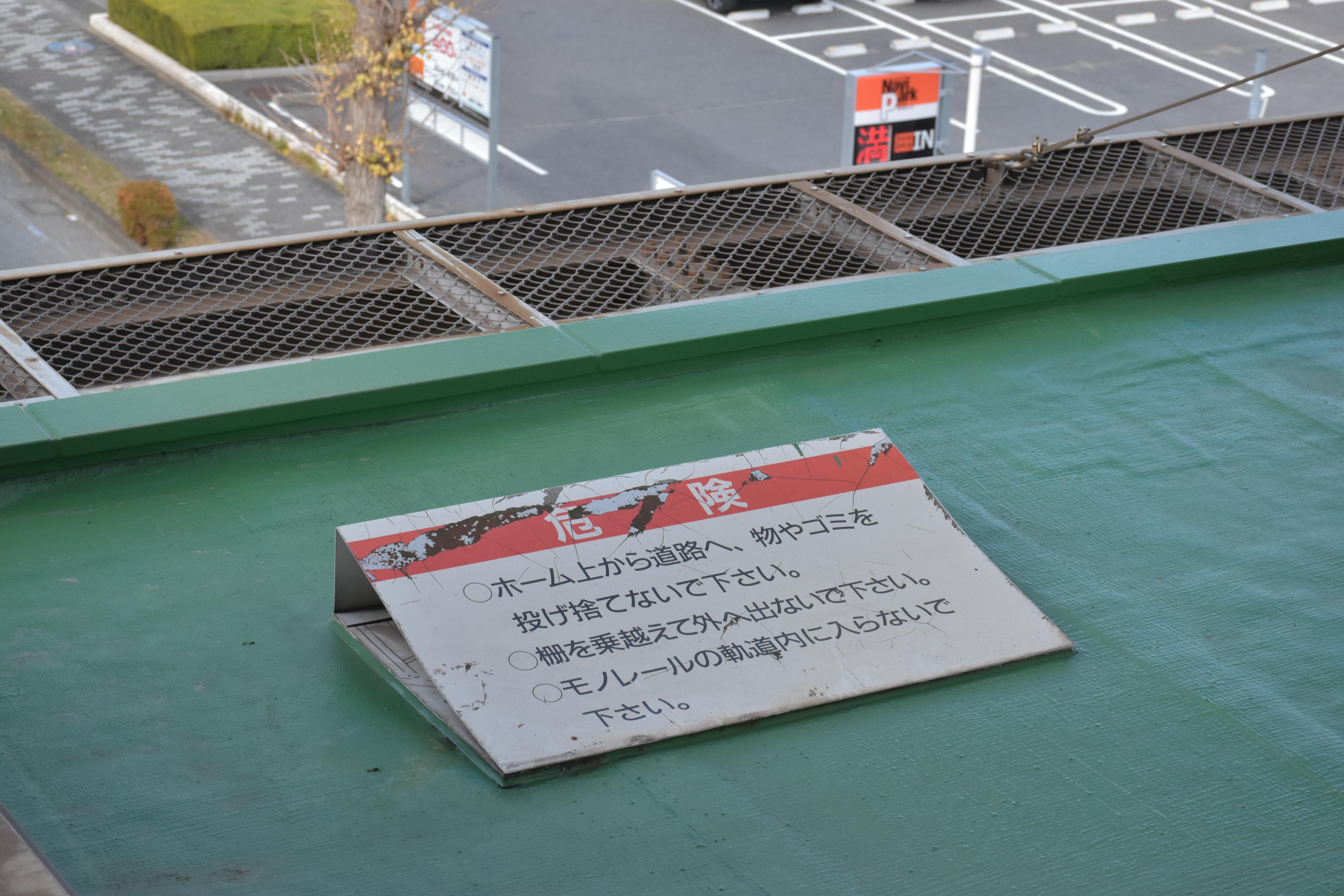 The Chiba monorail uses the SAFEGE system, which is also used in Dortmund and Düsseldorf. However, the German systems (built by Siemens) use platform doors on all stations, and the Chiba Urban Monorail does not. In this, it rather resembles the significantly older Wuppertaler Schwebebahn. Passengers could walk onto the “rails” and right off the edge of the platform, which is something I was surprised to see on a system built this recently (1988).
Unlike the German systems, the Chiba Urban Monorail also has human drivers on all trains, whereas the smaller German systems are automated. This makes for an interesting contrast.
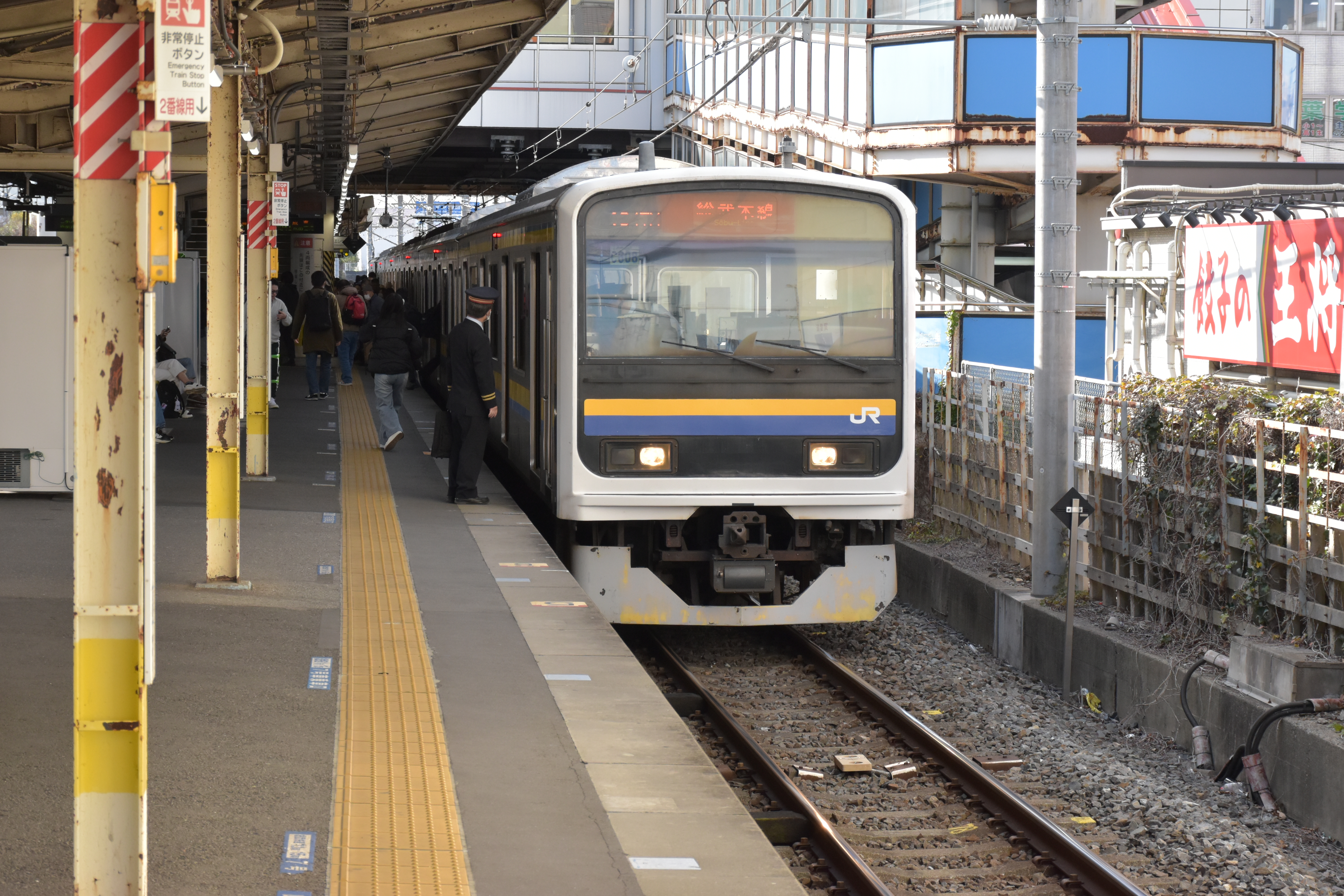
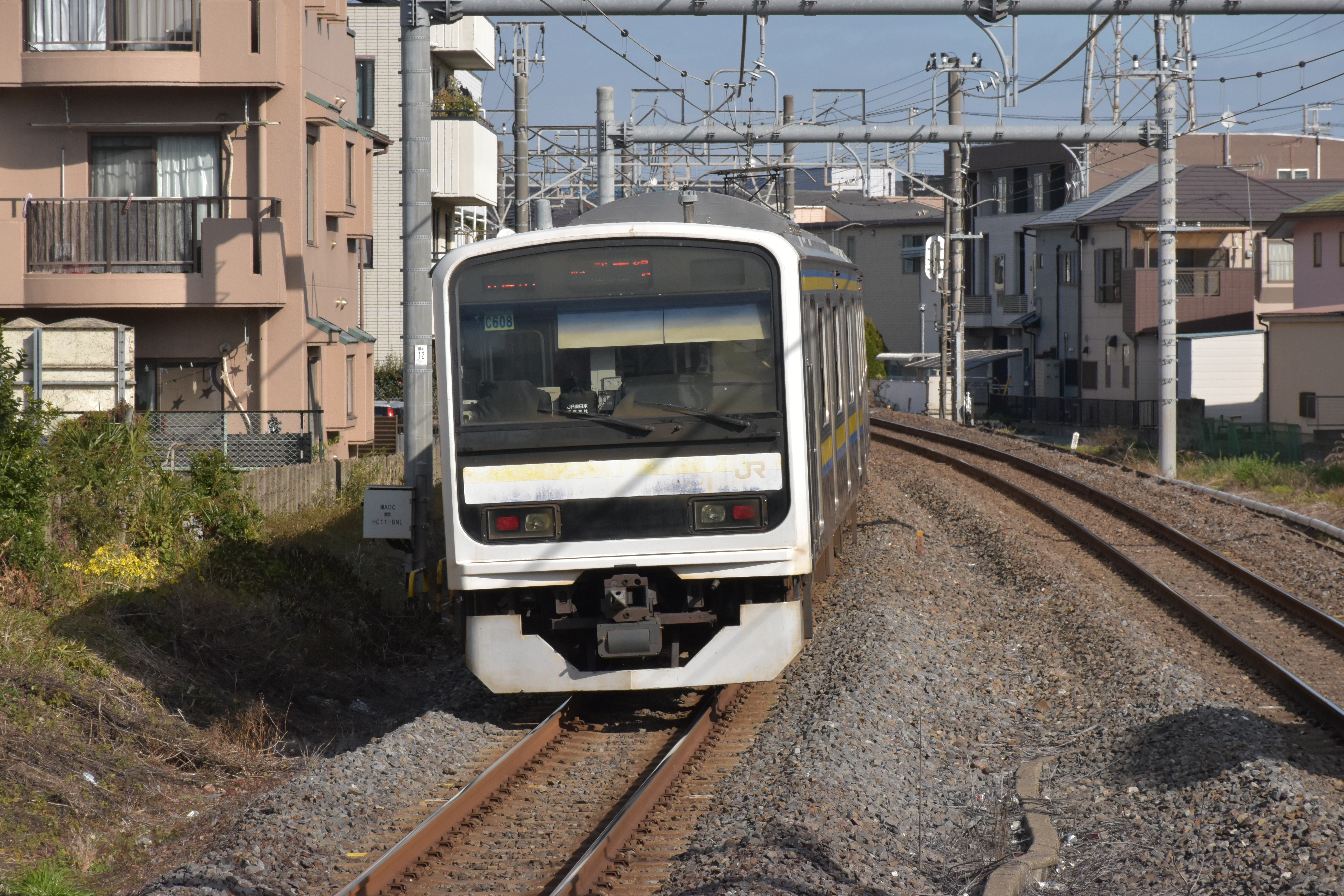 These two photos of 209 series trains were taken at Tsuga station.
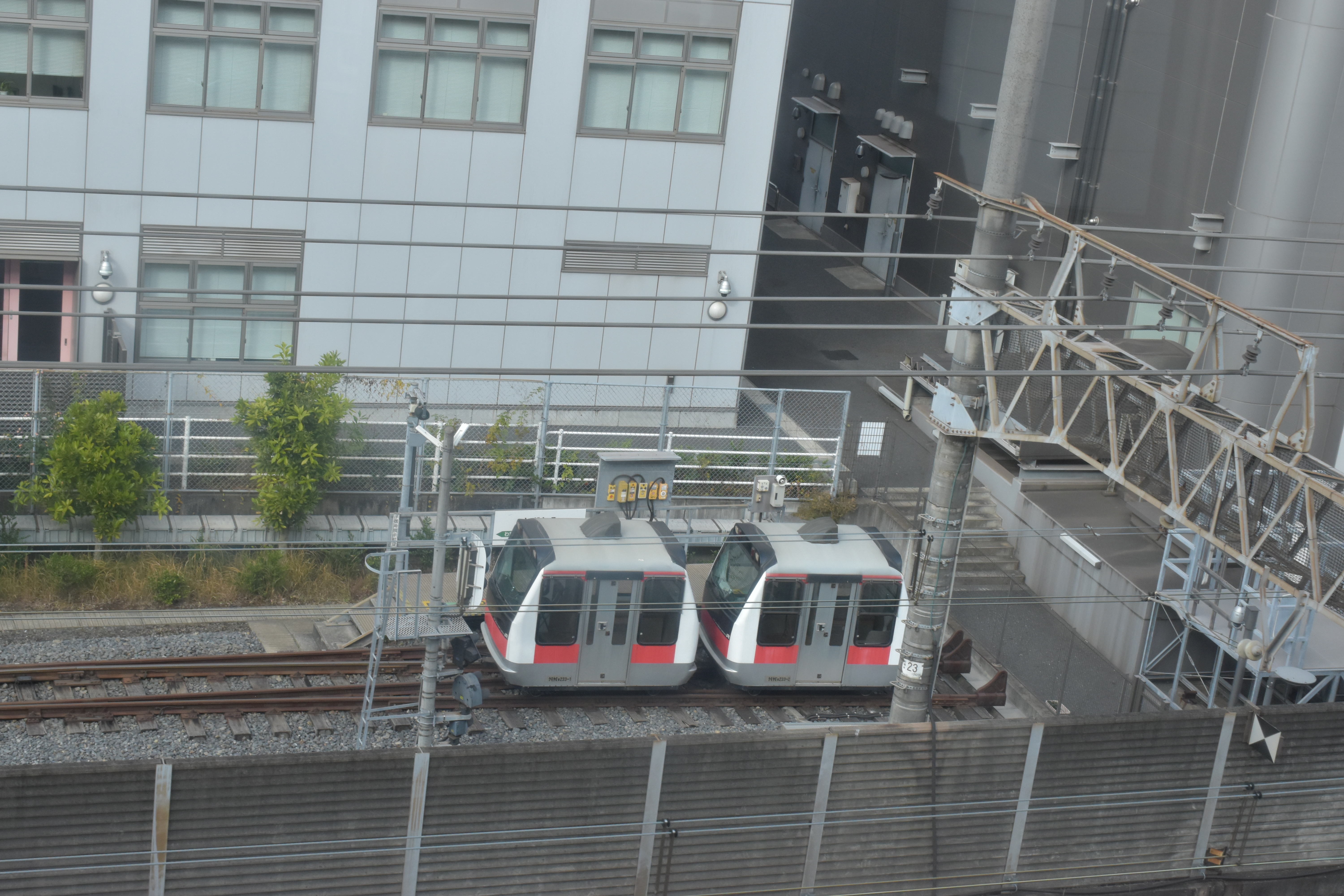 From the monorail, one can see those two odd vehicles. I assume they are used as work / inspection vehicles, but being modelled after the E233 series trains makes them look quite funny. Apologies for the low-quality snapshot.
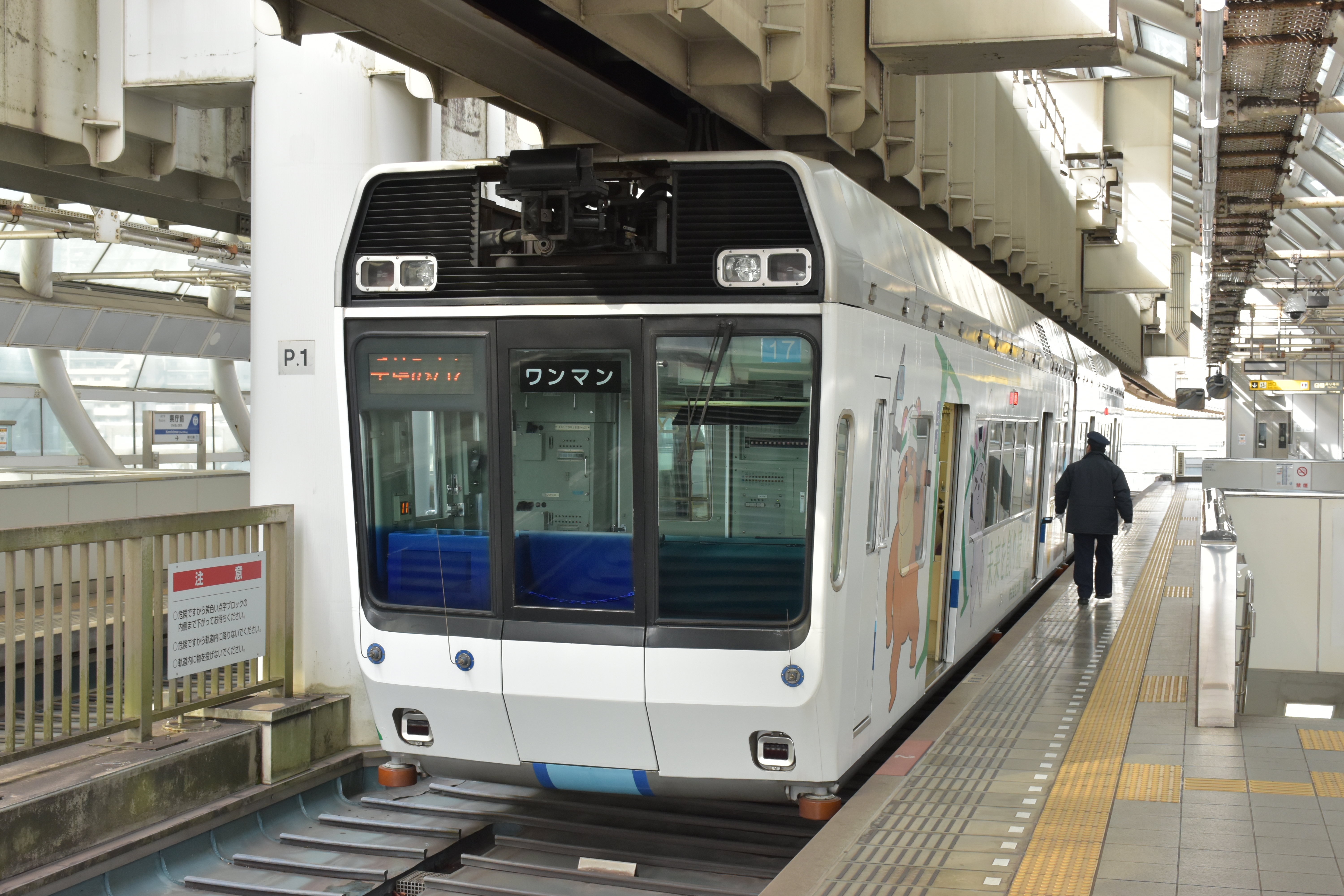 A monorail train at Kencho-mae, the terminus of Line 1.
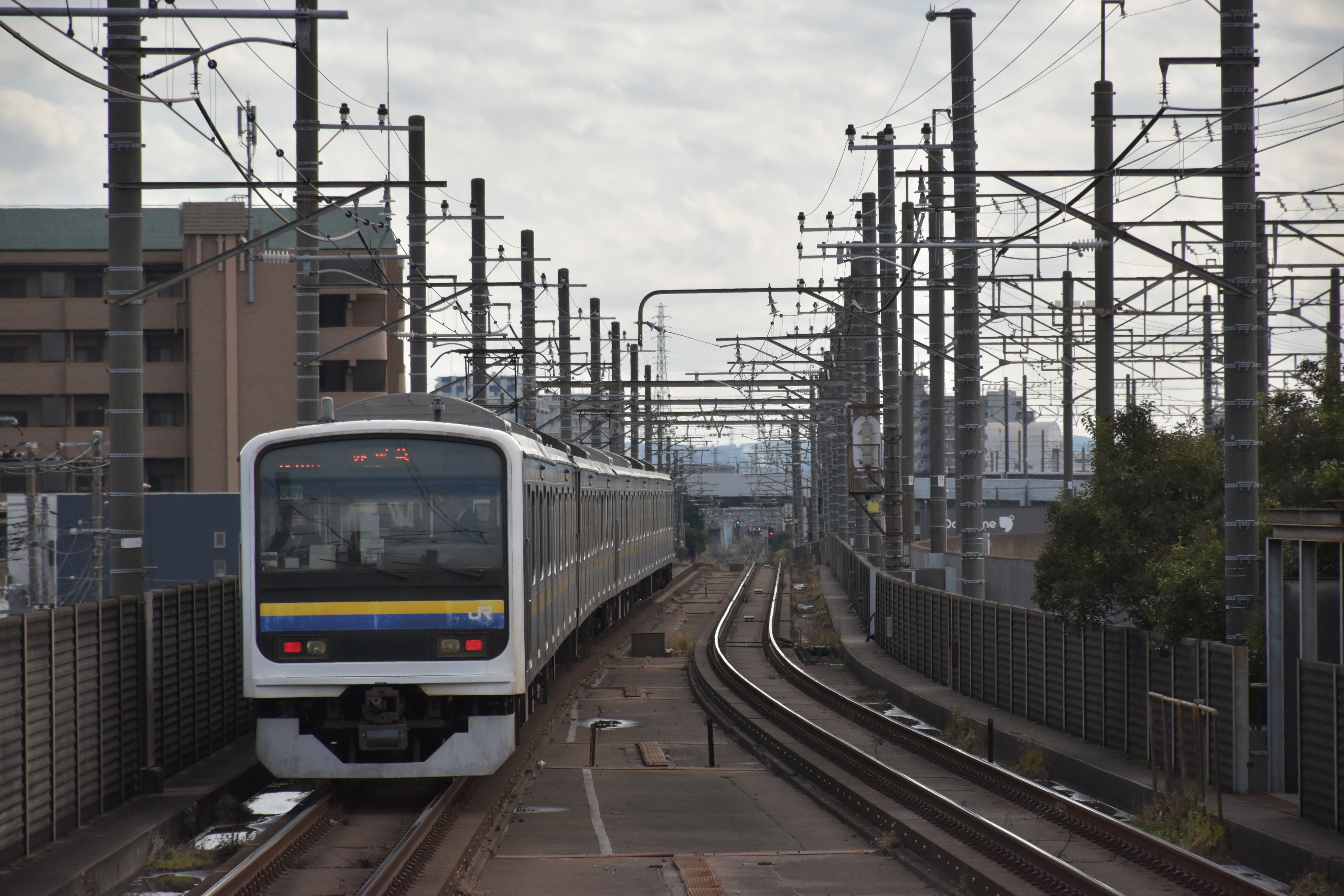 Another 209 series train at Hon-Chiba station, a short walk from Kencho-mae.
Wednesday December 17th - Misc
I wanted to rest my legs, which were a-hurtin’. But ultimately I still ended up walking and / or standing a lot.
As I woke up early and the trains in the city were still absolutely packed thanks to rush hour, I decided to just jump onto some empty-ish outbound train and spend some time just cruising around. This took me to Mitaka on the Chuo Line, and after walking around a bit and getting my bearings, I decided to ride the Seibu Tamagawa Line, one station over at Musashi-Sakai. It uses Seibu New 101 Series EMUs, which are delightfully retro trains from the 1970s.
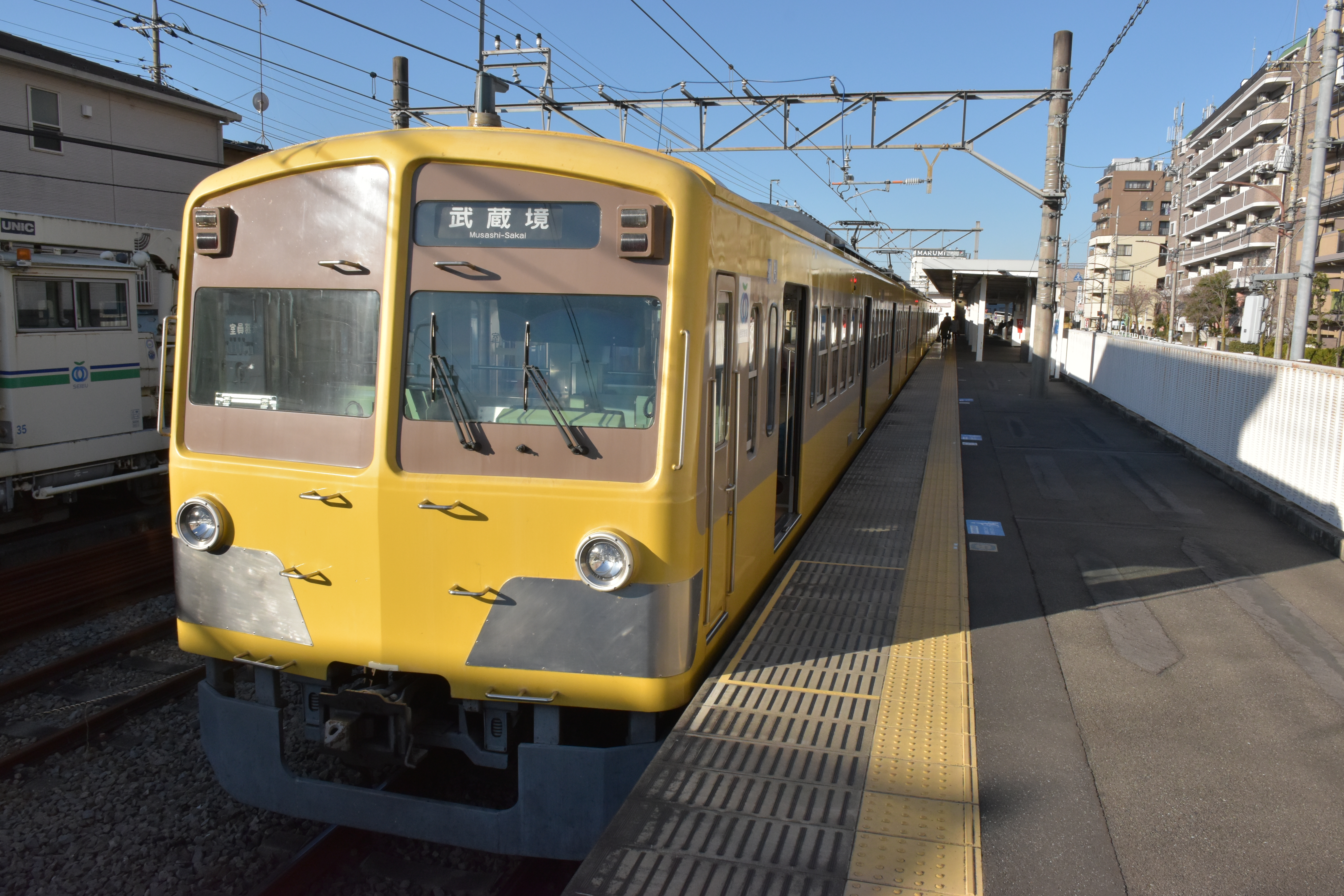
From the Tamagawa line’s endpoint in Koremasa, I took the short walk to JR’s Minami-Tama station on the Nambu Line, which was currently experiencing “severe delays” according to Google. The most severe delay I actually saw was 13 minutes, which by German standards is not severe at all.
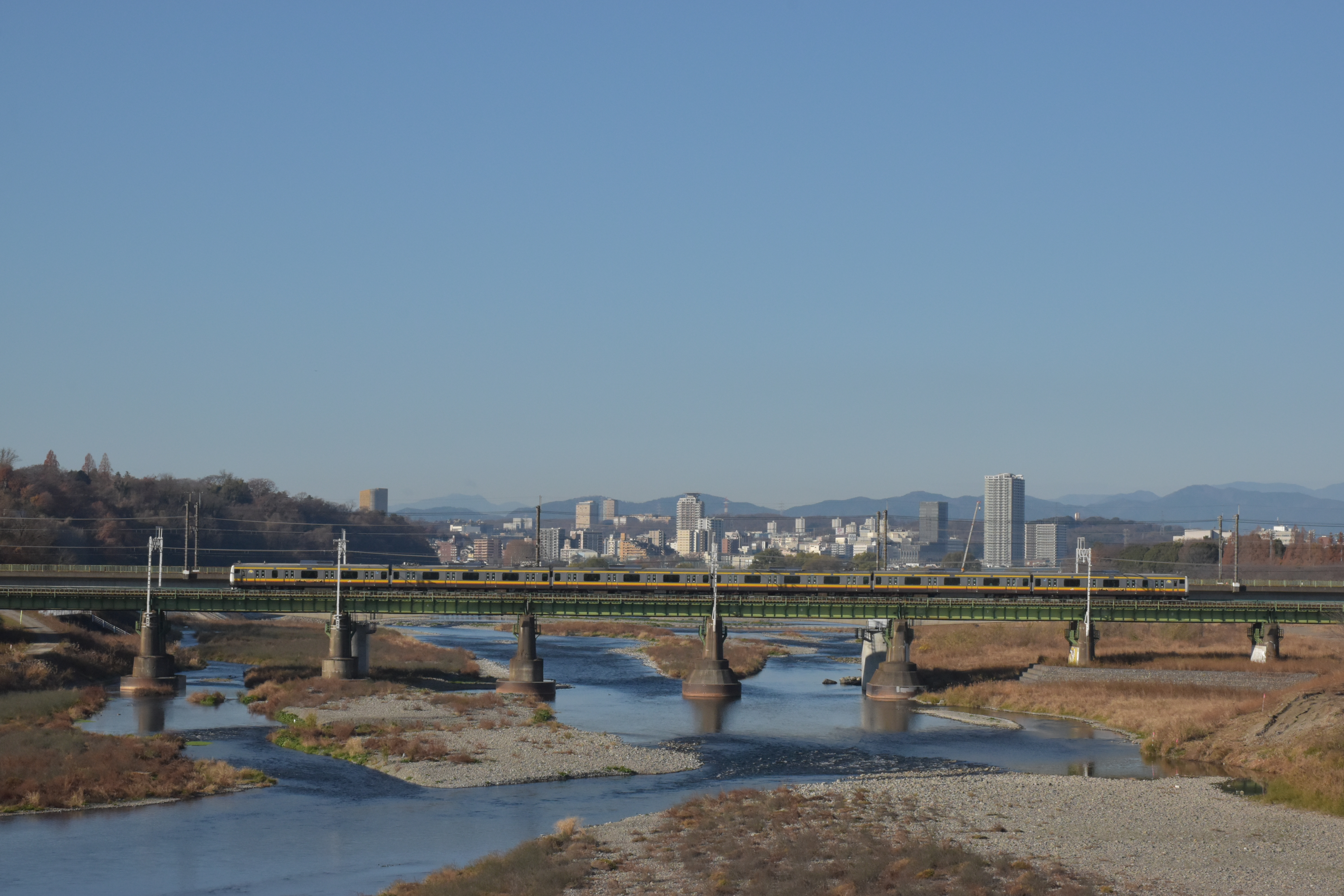 This Nambu Line E233 EMU is currently crossing the Tama river.
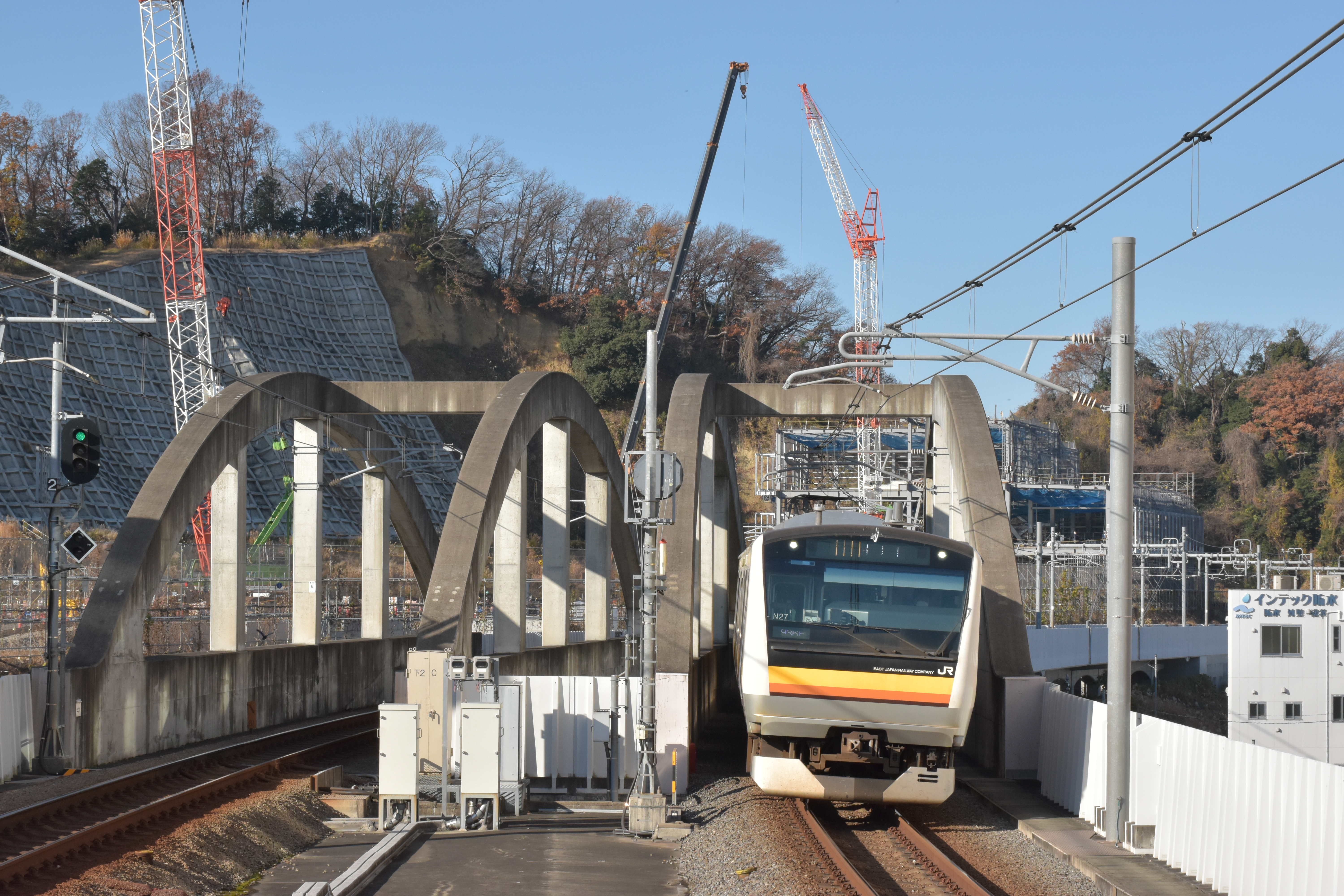 This unit has just crossed the bridge and is now entering Minami-Tama station. I remembered this spot well from JR East Train Simulator.
I took the severely delayed Nambu Line to Inadazutsumi. It was only around 11am then, but my feet were reaching their limit already, so I decided to take a Keio train from there to Shinjuku, do some shopping there and return to the hotel for the rest of the day. I wanted to pick up a copy of the Nintendo Switch remaster of classic dating sim Tokimeki Memorial, because getting games shipped halfway across the world is prohibitively expensive, and I did not have to search for long at Shinjuku’s BIC Camera.
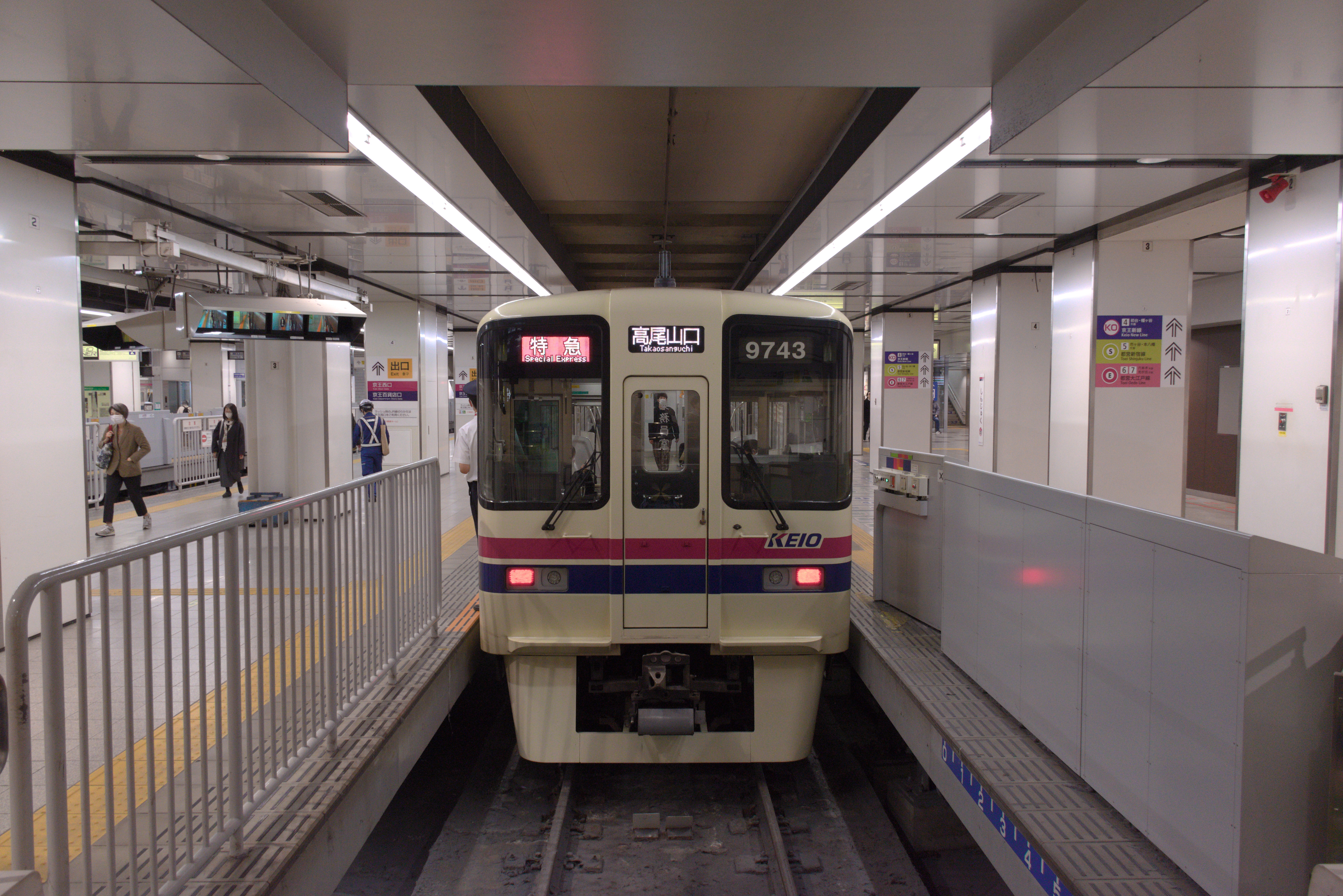 Keio train at Shinjuku station. Some Keio trains end in the company’s own underground terminus, whereas others use the Toei Subway’s station and continue onwards to the Toei Shinjuku Line. This system is built on a 1,372mm / 4ft 6in gauge, unique among Tokyo’s subway lines and extremely rare elsewhere.
Thursday December 18th - Railway Museum, Omiya
I had a couple of railway museums on my list, and the first one I visited was the one in Saitama.
It’s a short train trip to Omiya from Tokyo, about half an hour, and then one stop on the “New Shuttle”, a people mover system which travels alongside the Shinkansen tracks.
After arriving to the Railway Museum’s station, I was immediately greeted by rows and rows of gachapon machines selling various railway-related goods, from tiny plastic models to fridge magnets of station signs and the customary keychains. There was also a Densha de Go! machine and I had a short go on it, although I only had enough coins with me for a single station. Gachapon and arcade machines still are usually cash-only, and worse, they are very specific about what coins they take (usually, only 100円 coins). Sometimes, large clusters of gachapon machines have a money changing machine next to them, but this time, no such luck.
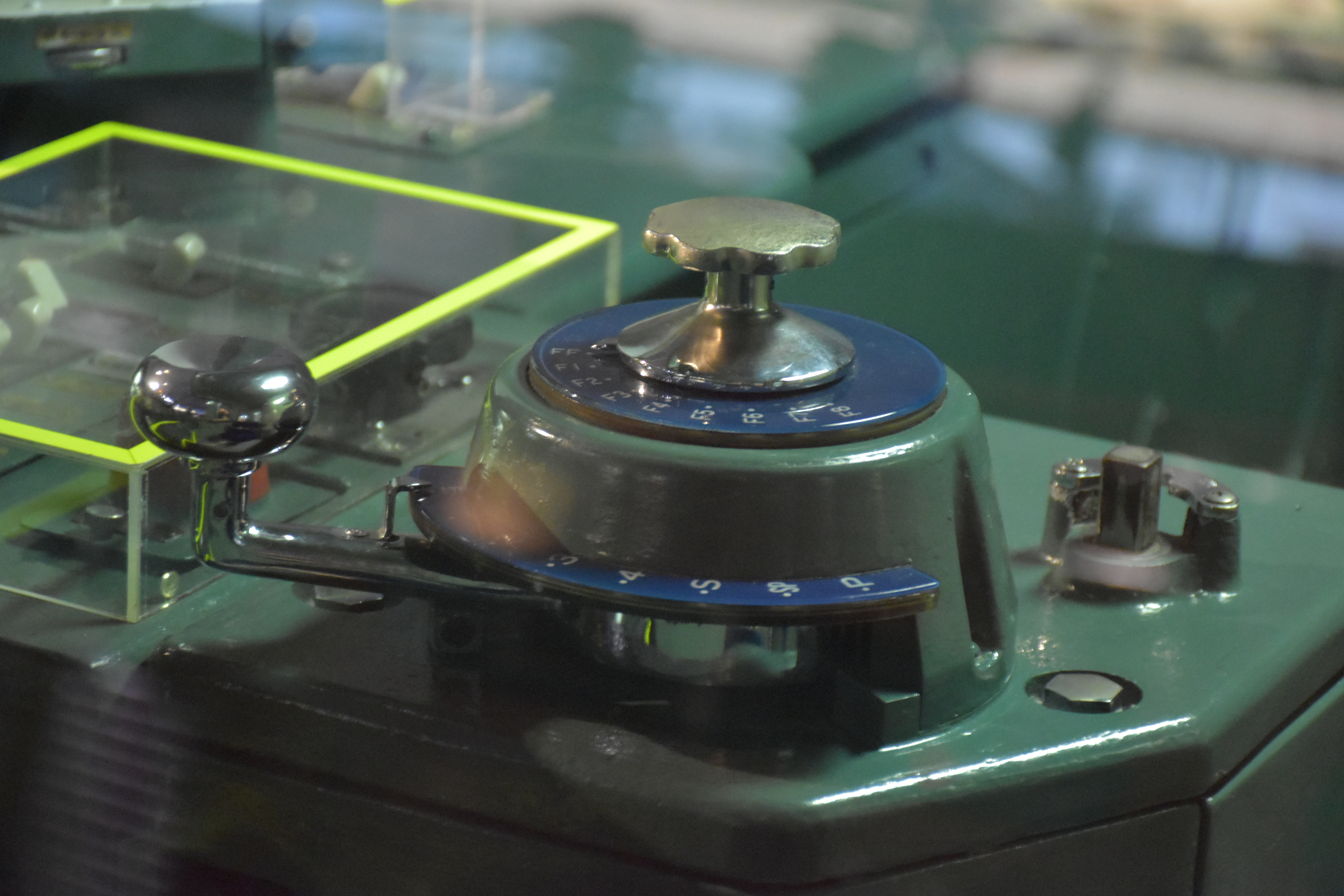
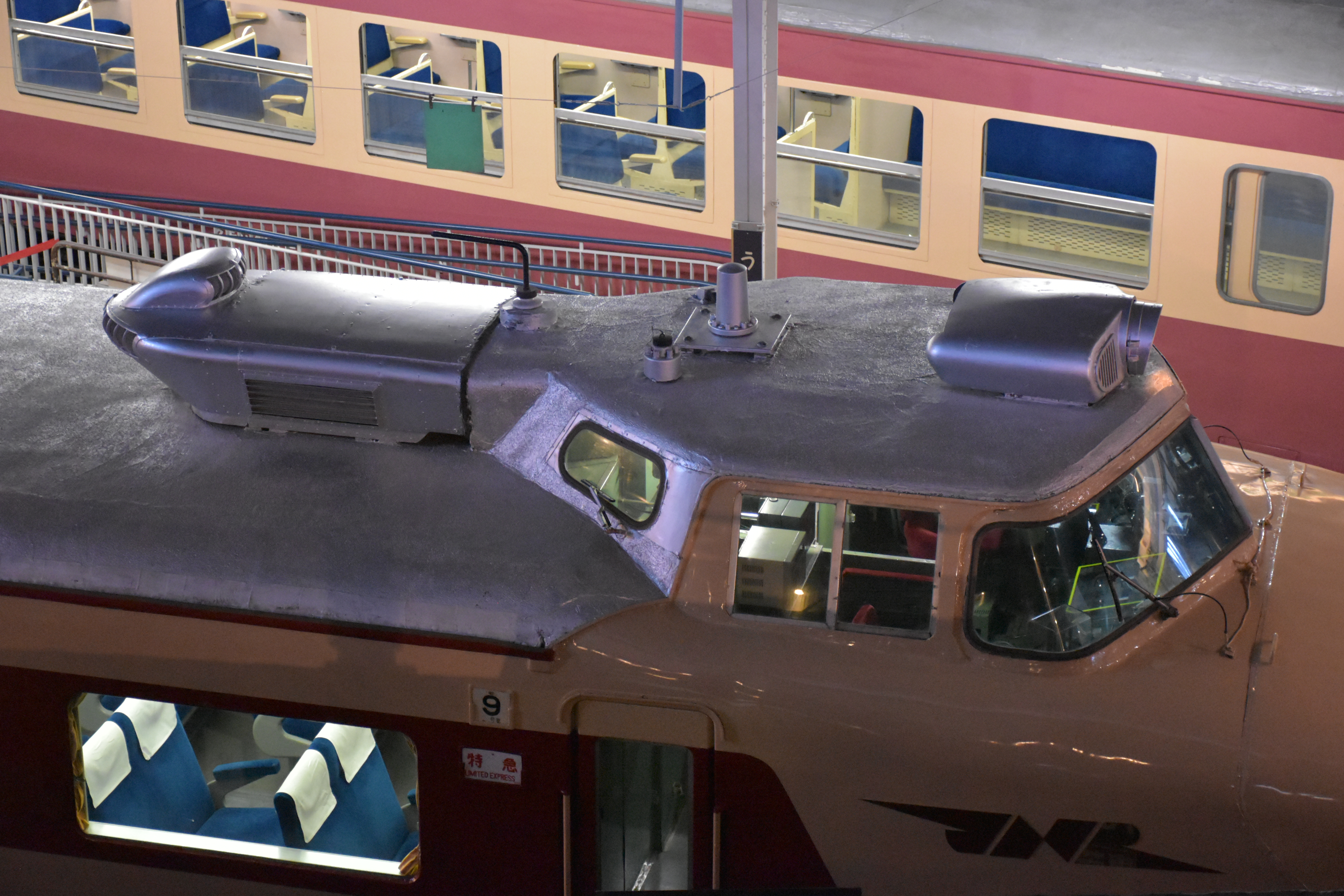
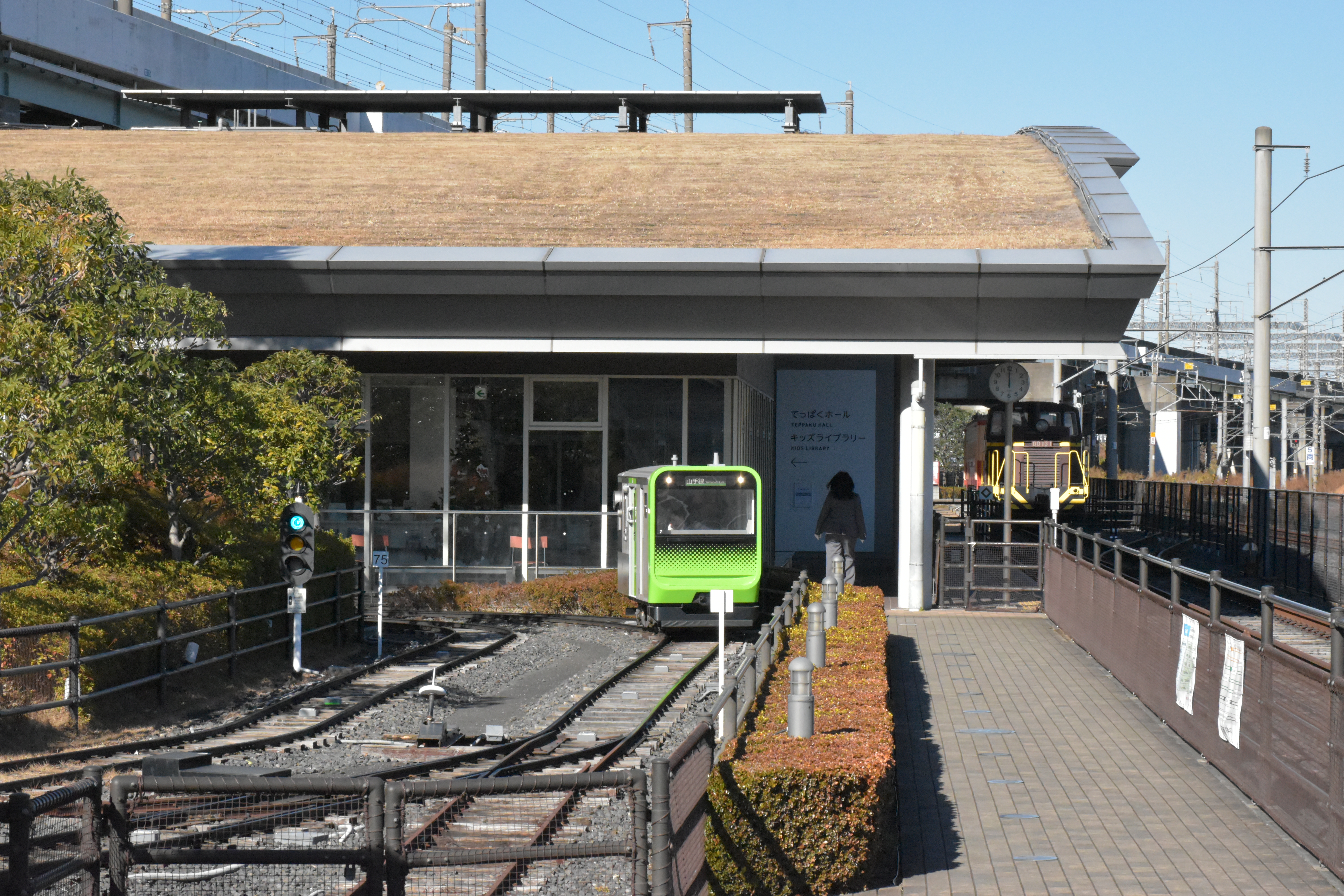
Anyway, onward to the museum. Some notable exhibits include Japan’s first-ever steam locomotive, a EF55 streamlined electric engine (only two were ever built, as streamlining was absolutely unnecessary for a locomotive that only ran at 95km/h in service), a 0-series and 200-series Shinkansen car as well as a double-decker E1 Shinkansen car. There is also a small “training area” where kids can drive miniature cars on a small layout with real signals and signage to learn about operational principles. Overall, I think it is an interesting museum and well worth a visit.
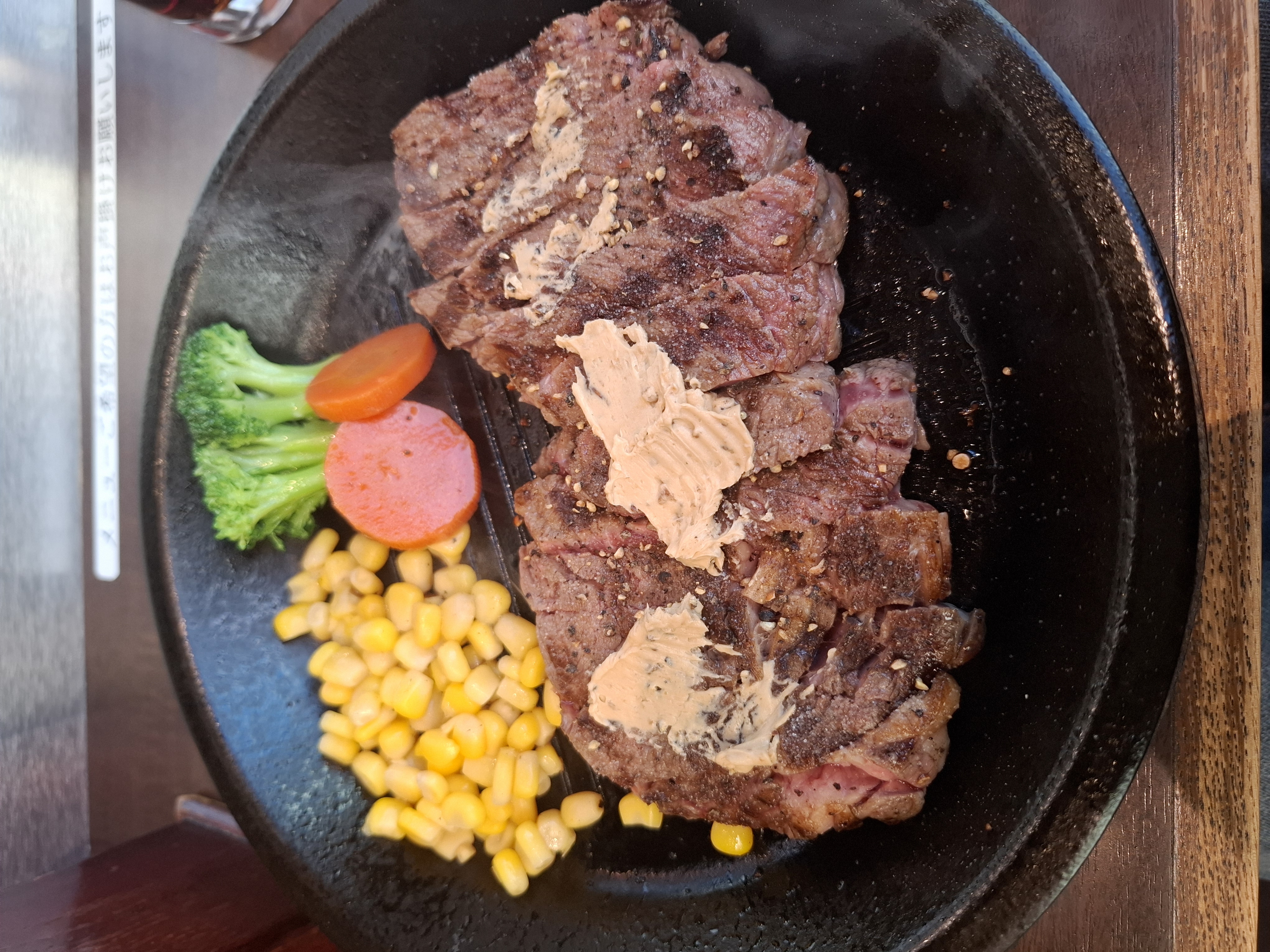
After leaving the museum, I stumbled across an Ikinari Steak store and decided to have lunch there. Their steaks are served only lightly cooked and then served on a hot iron plate, on which you can cook it yourself as you want. I really enjoyed the meal and visited several other Ikinari Steak stores during my stay. Thanks to the weak yen, it was a very affordable option to get some really nice meat. Their yuzu sauce is also delicious, but I prefer steaks without sauce.
On the way back, I decided to finally try and find out how to actually use the Shinkansen. As my JR Rail Pass was first-class and all first-class cars in JR express trains are reserved, this is always a bit of a hassle. You can book reservations directly via the Rail Pass website, but you then need to go to a reservation machine at the station to get your reservation printed out. This seems to be very unnecessary to me, and the process of printing the reservation is also unnecessarily convoluted as you are required to enter your passport number every single time.
Friday December 19th - Choshi
While the Shinkansen and Tokyo’s high capacity urban rail system are the face of train transport in Japan, there are also many small rural lines which often struggle with poor funding. For us railfans, those lines can be a blessing in disguise: For budget reasons, many of them run old trains acquired on the cheap from bigger railroads.
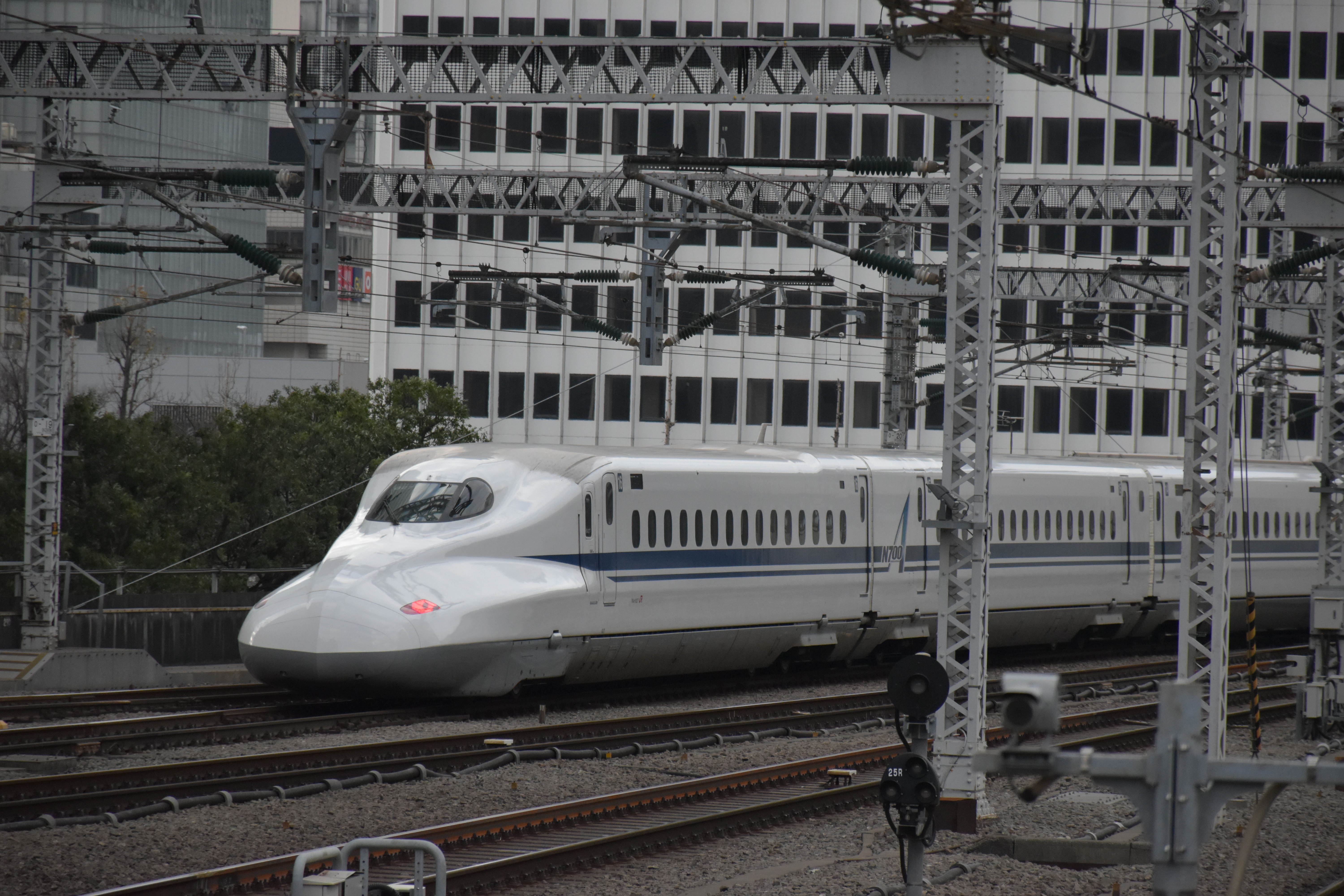
One of them that caught my eye was the Choshi Electric Railway (Choshi Denki Tetsudo) on the Chiba peninsula. So once again I headed towards Chiba, then onwards via the Sobu Line. With the Shiosai Limited Express, the journey takes about 1h50. Unfortunately, I once again had to make an advance reservation, and then woke up almost two hours before my alarm was set to go off, so I had some time to kill. Time for some Shinkansen photos.
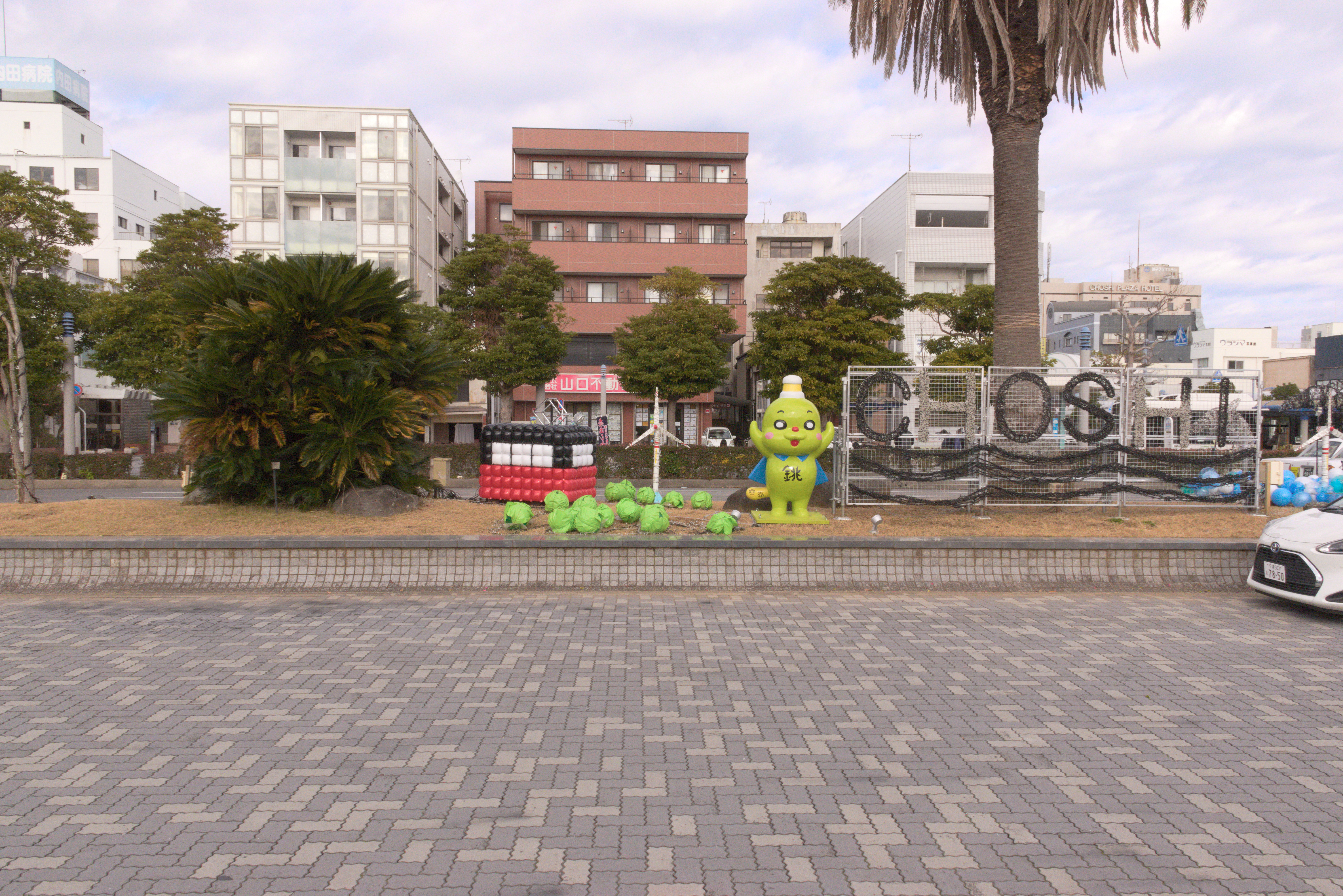
The bus station in front of Choshi station. JR East and Choshi Electric Railway both use this station.
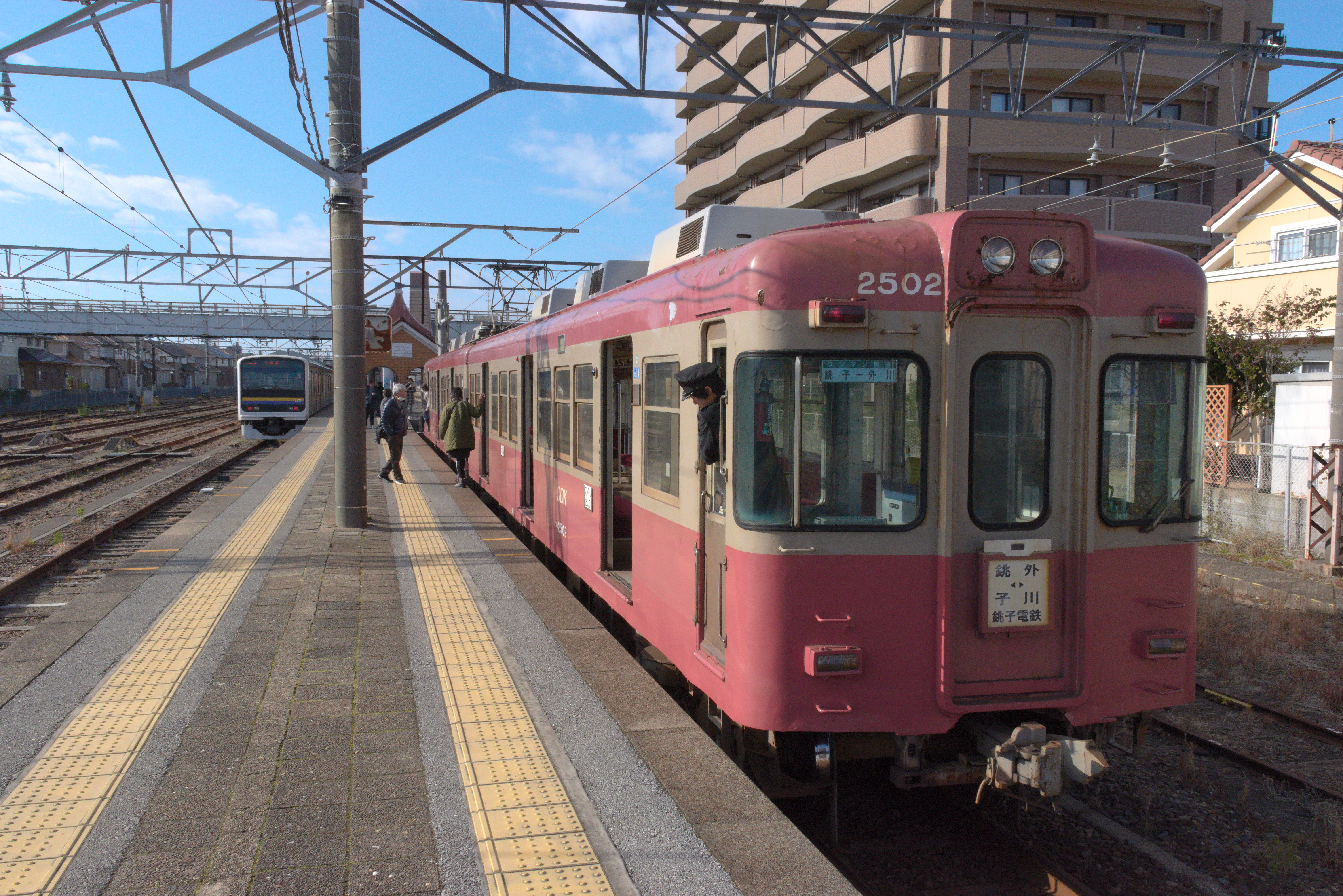
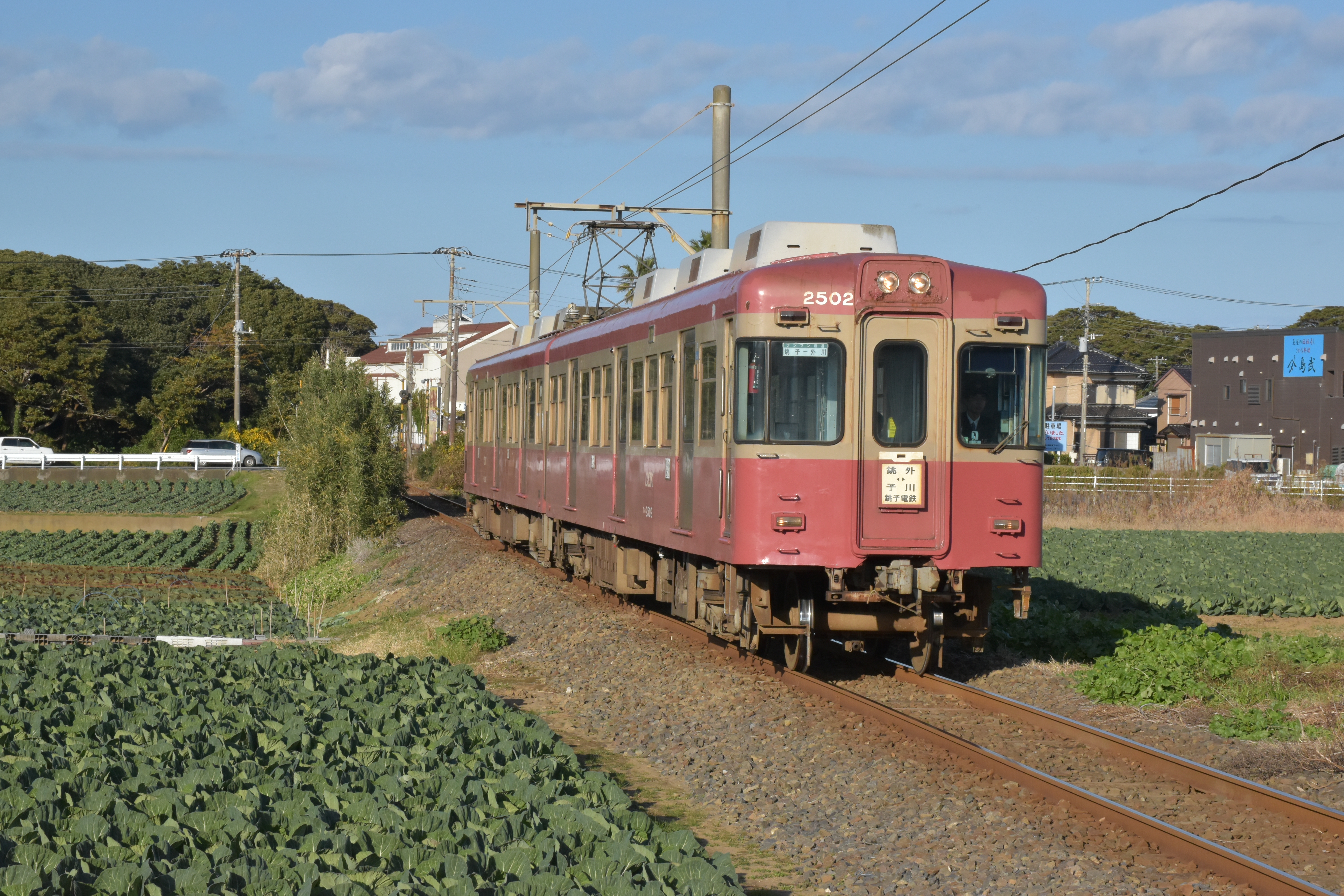
I got lucky and their oldest train, a 2000 Series EMU, which used to be Iyo Railway 800 Series EMUs, and Keio 2010 Series EMUs before that. They were built in 1962. Interestingly, the two cars of this EMU have different fronts. Car 2002 has no front door, whereas car 2502 (shown here) has. This is because at their original operator, Keio, two of these units would usually be coupled back to back.
The small building behind the EMU is the border between Choshi Electric Railway’s and JR East’s sections of the platforms, and a IC card reader is situated there. Behind that building, a local train towards Chiba operated with another 209 Series EMU can be seen.
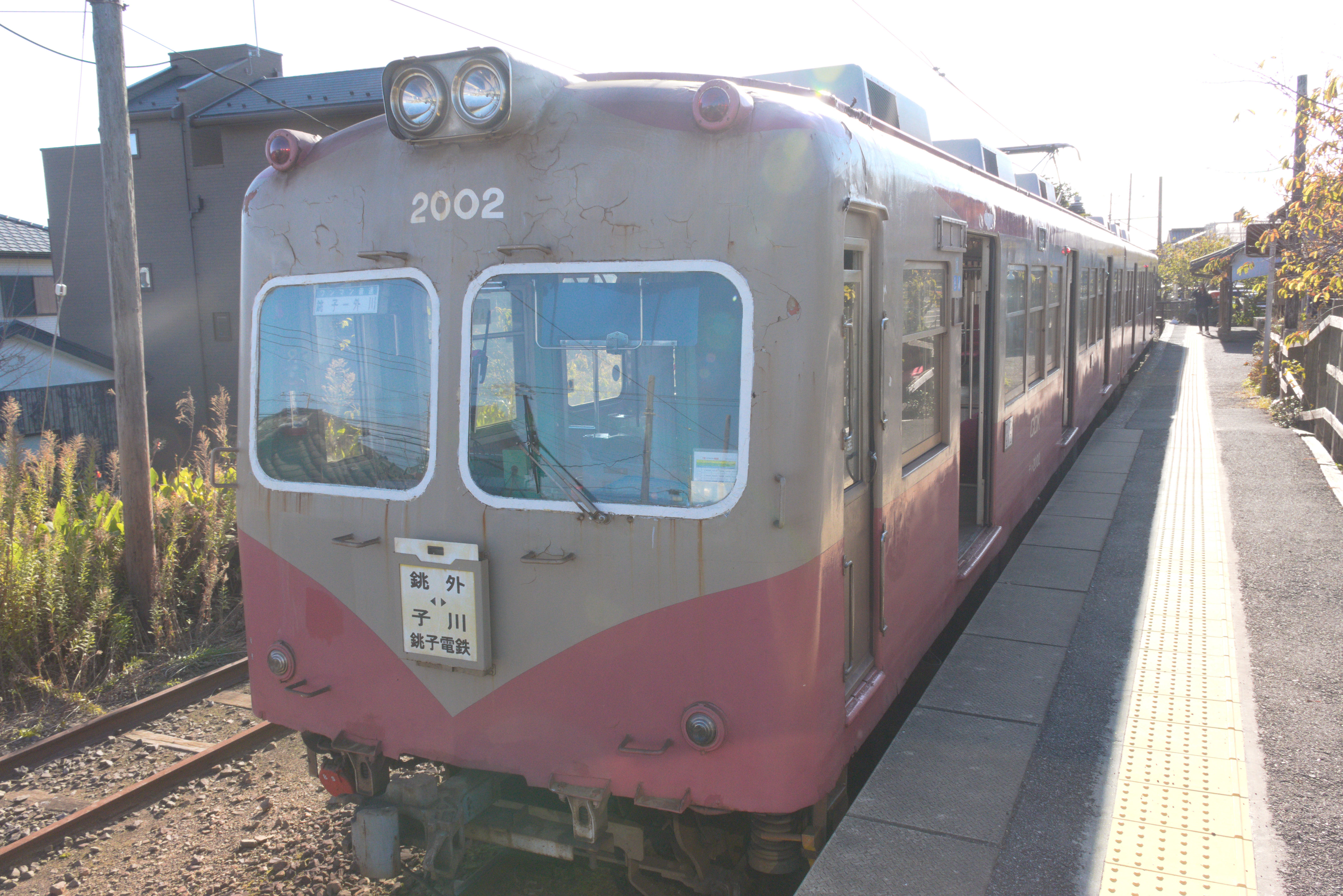
For comparison, this is car 2502. Due to the light situation at the time, I could not get a better photo of this end.
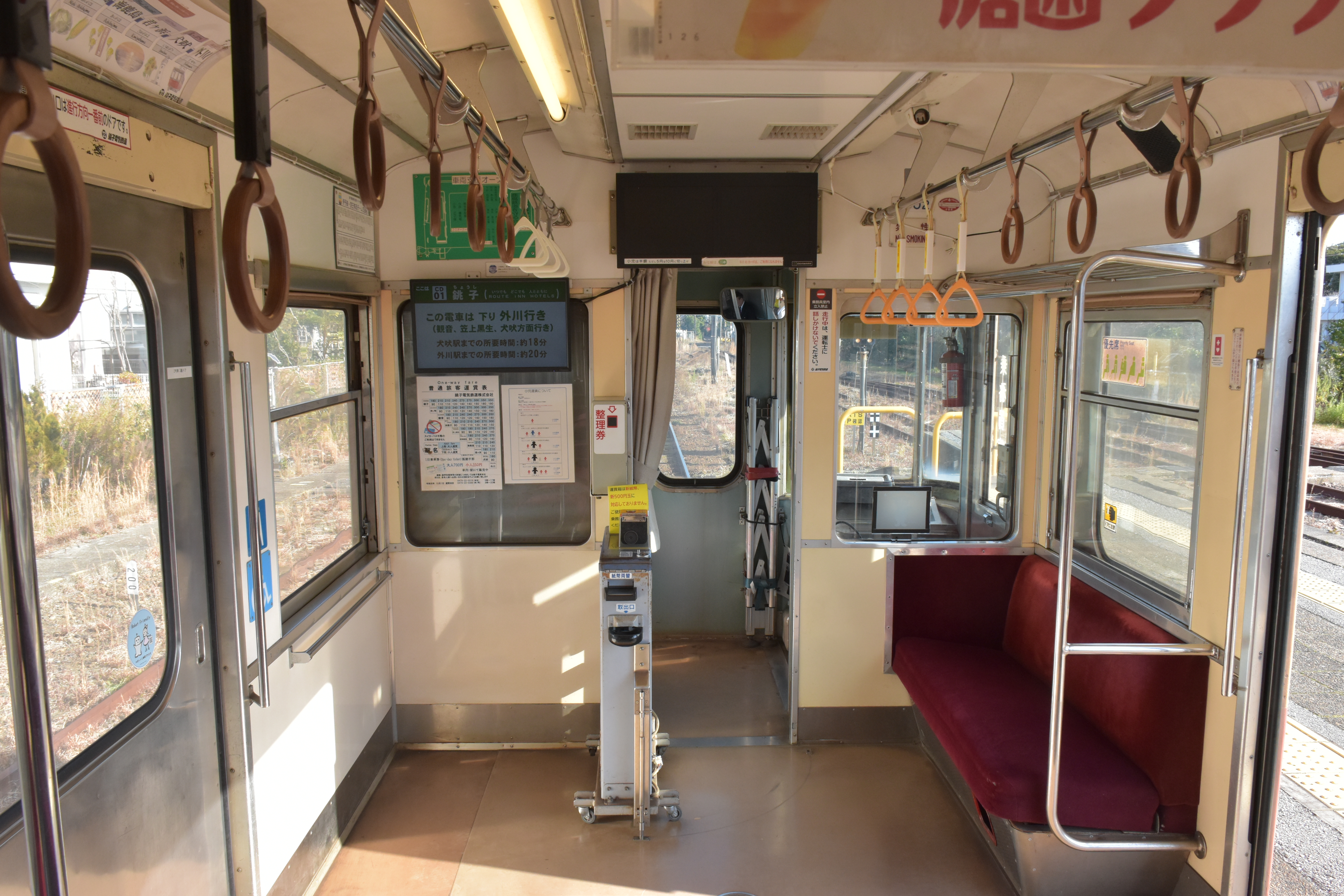
The train interior is rather quaint. The most modern thing is the big monitor next to the cab which will display fare information. When driver-only (ワンマン) operation is in effect, passengers are supposed to pay the correct amount when deboarding the train.
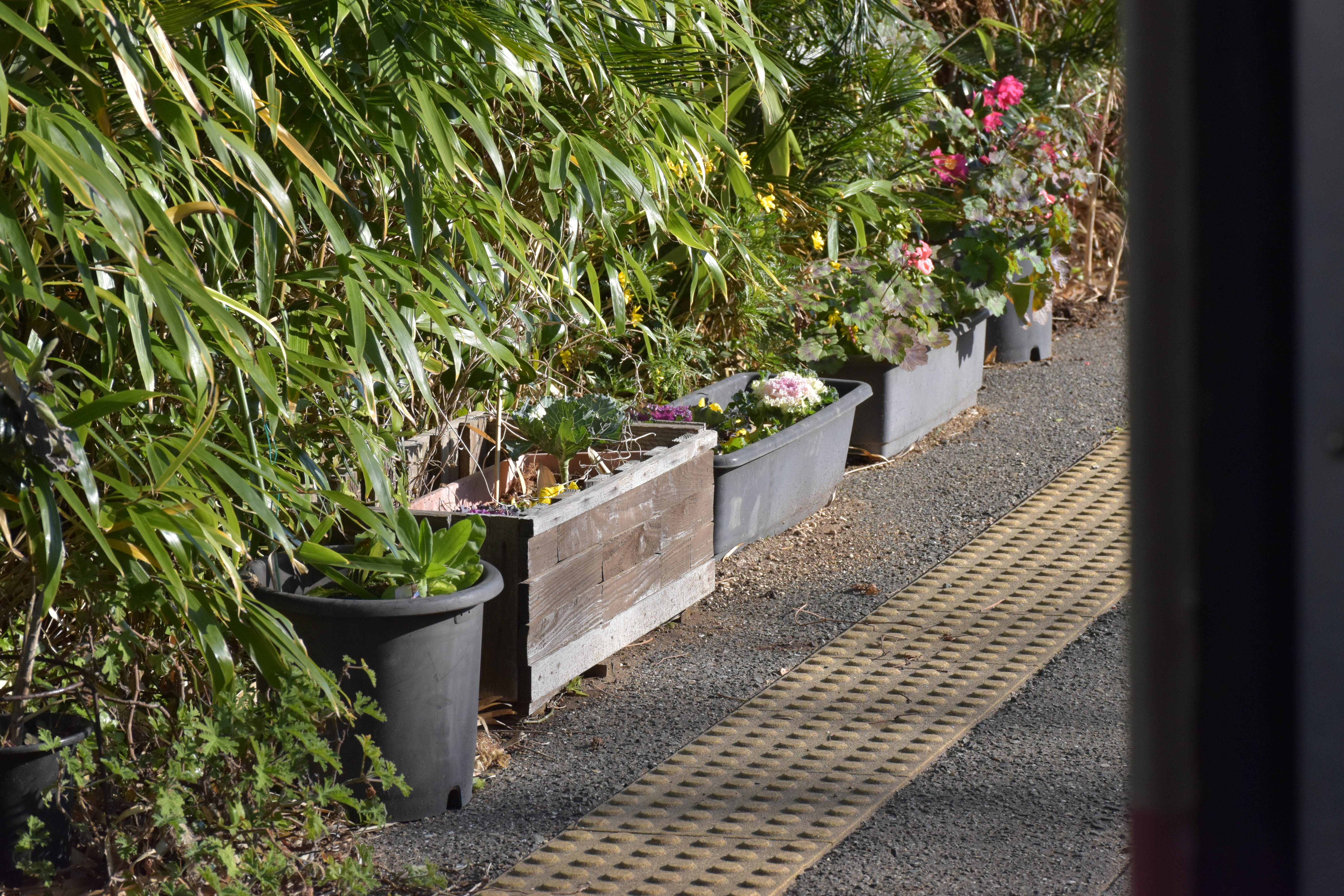
The stations are small but well-kept.
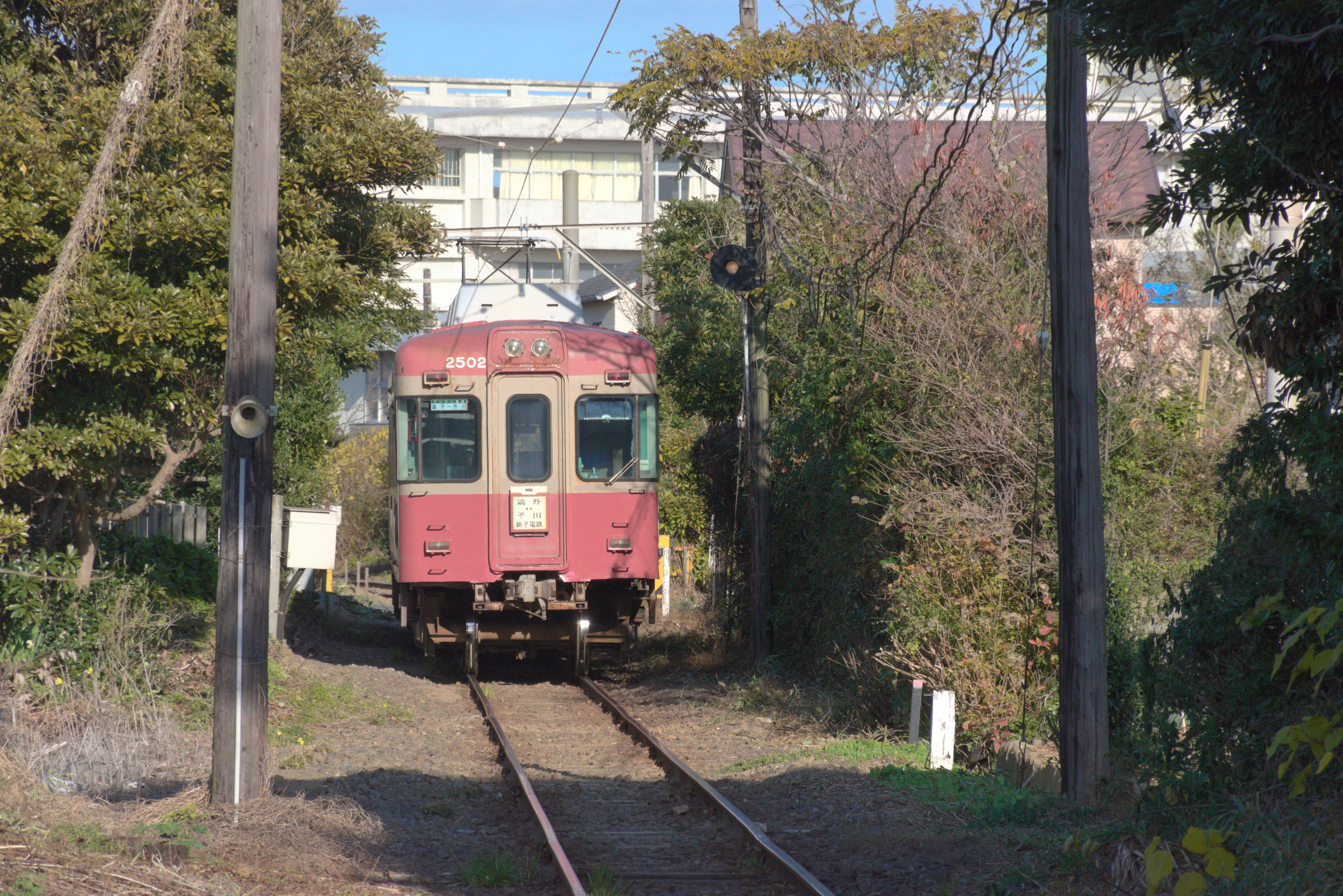
I rode the train from Choshi to its opposite terminus at Tokawa, 6.4 kilometers away. There, I deboarded and took a walk to search for nice photo spots.
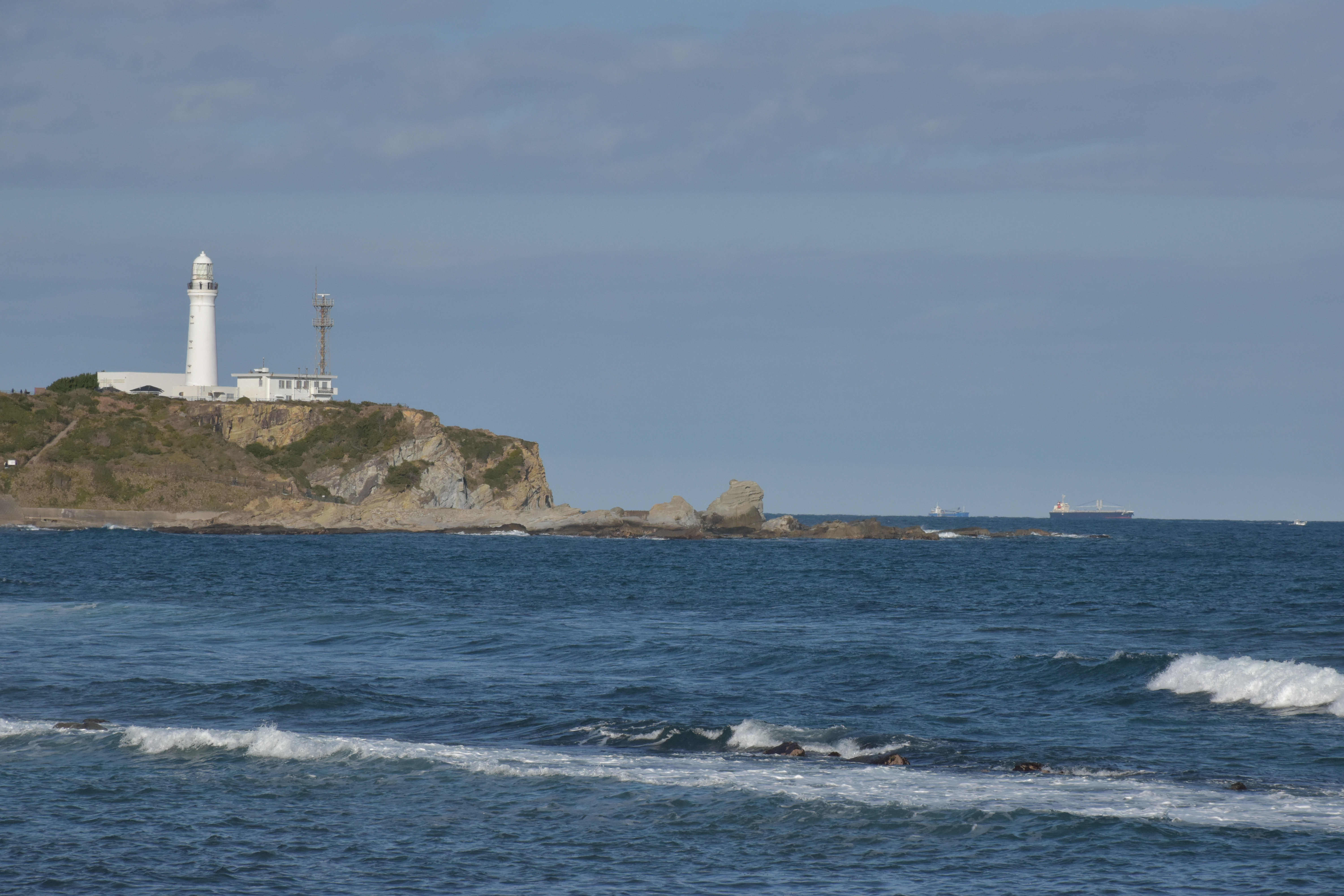
The train, meanwhile, headed back to Choshi.
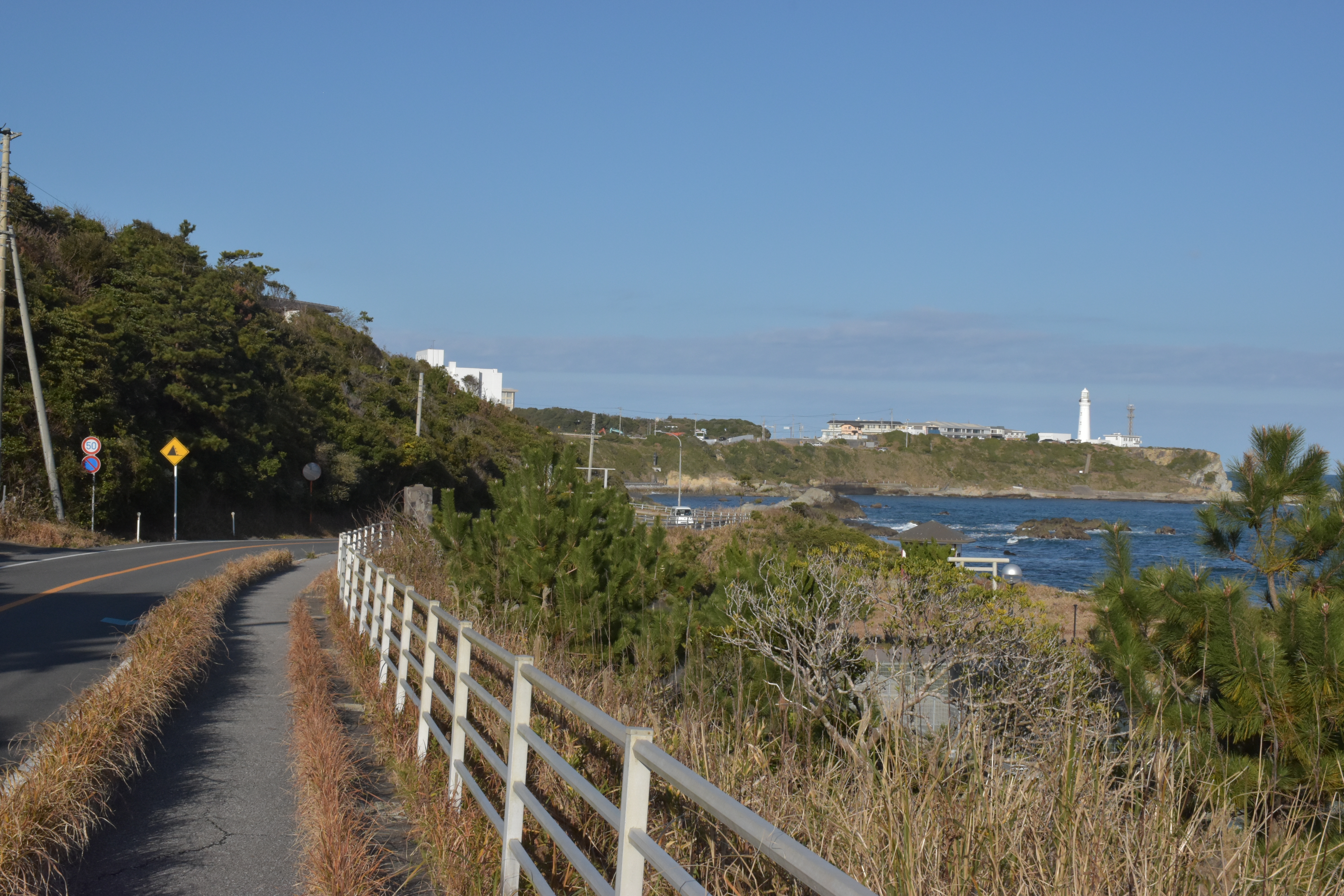
The next train would not arrive for another 50 minutes or so, which meant I had some time to walk down to the sea, then walk to the next station in search for a good spot.
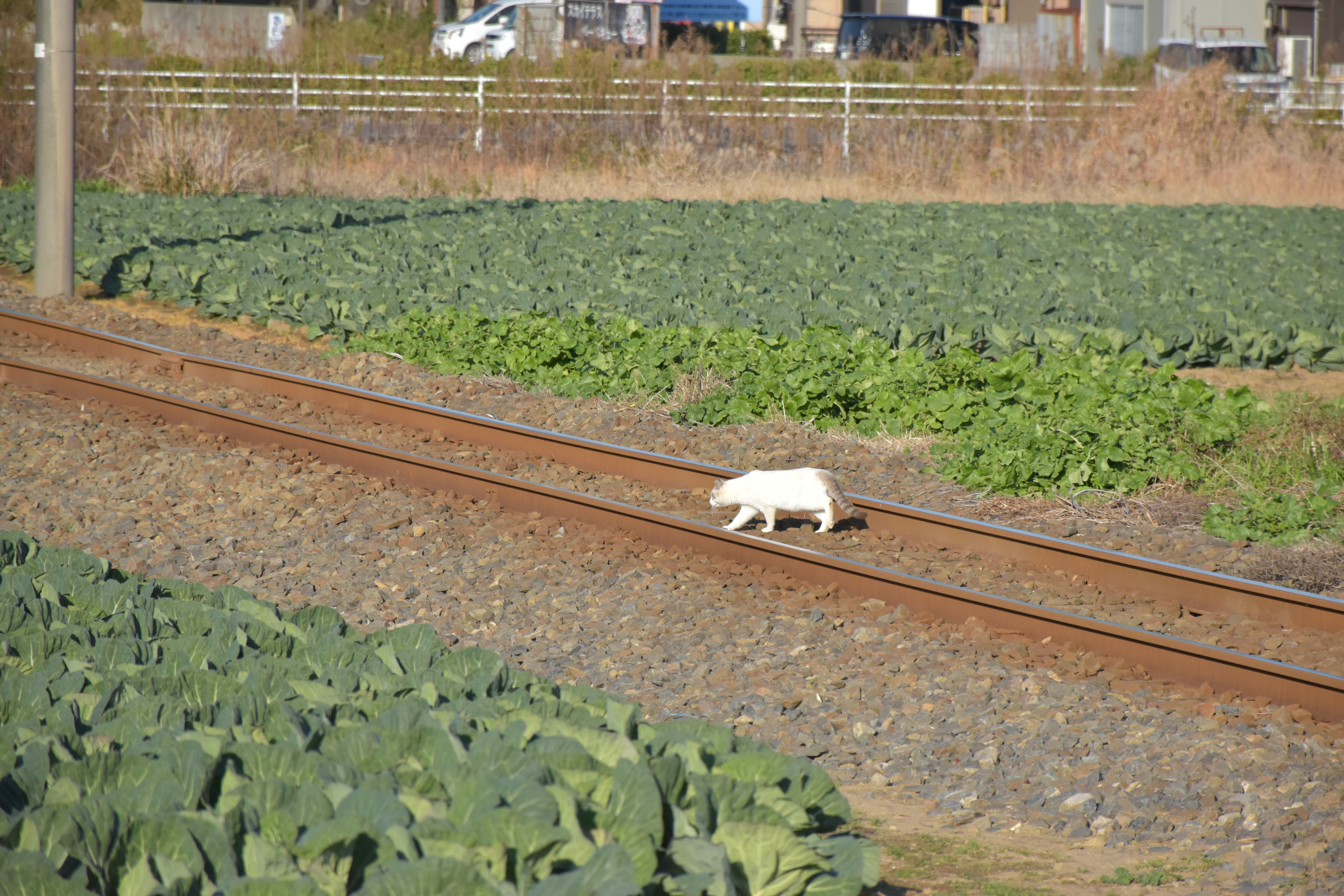
Train photography consists mostly of waiting. After having found a spot near Inuboh station, I still had 20 minutes to kill before the train would return. Watching this feline trespasser walk across railway property helped pass the time.
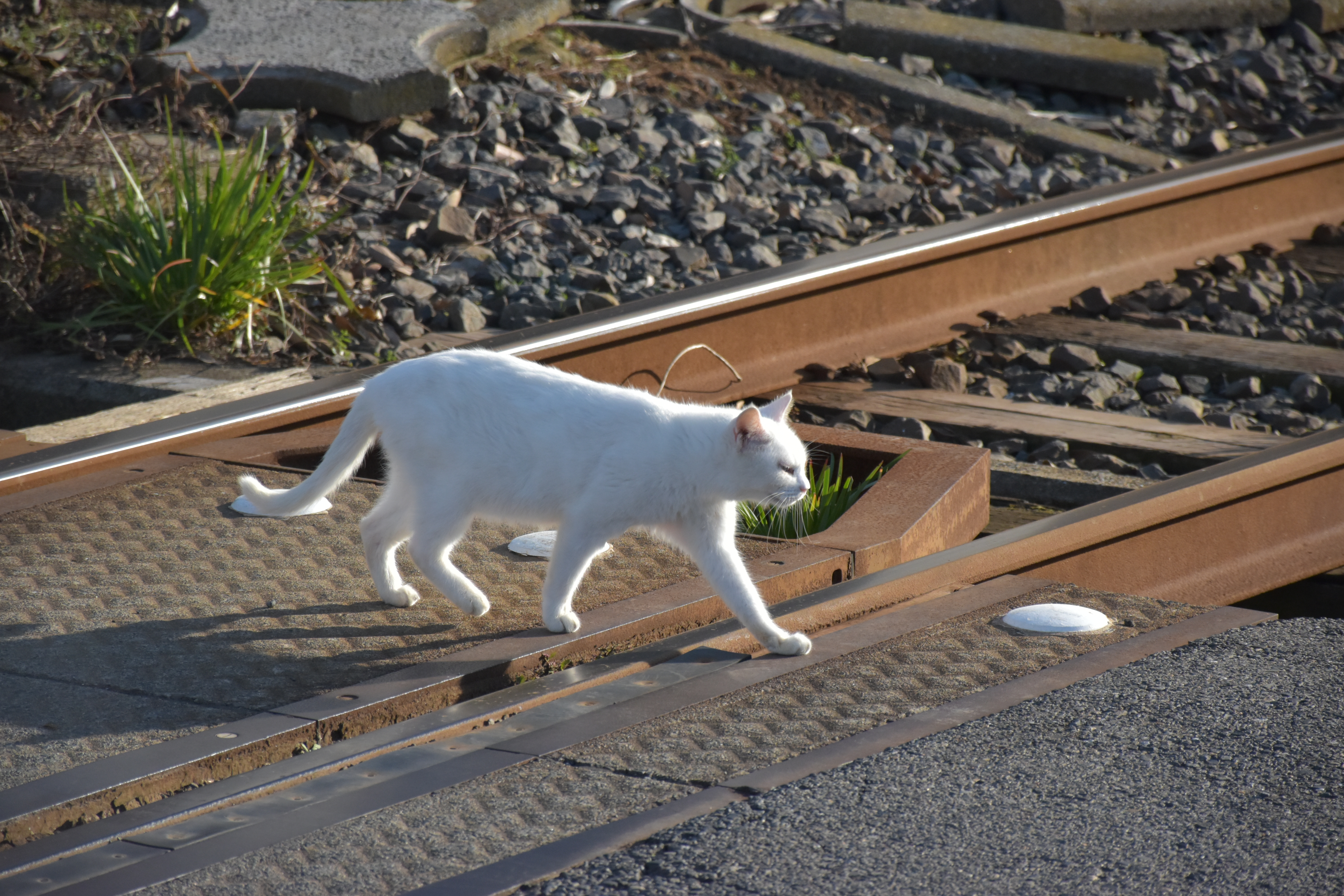
This kitty, however, correctly chose to use the level crossing.
(No cats were harmed in the making of this blogpost.)
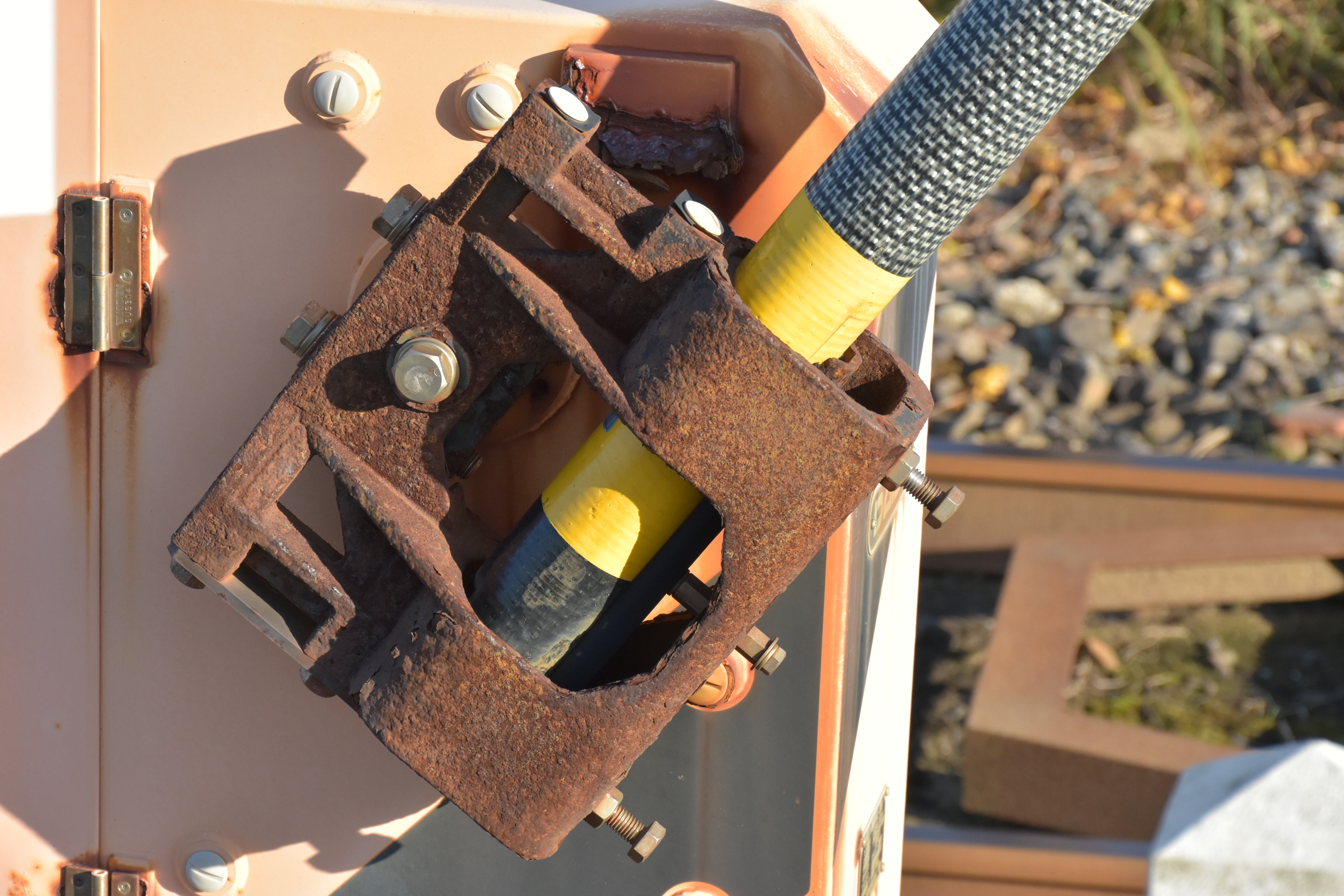

Finally, the train arrived. Mission accomplished. Time to rush to the station to catch the return trip. At the station, I also bought a pack of rice crackers, which the railway sells to prop up its finances. Those crackers apparently account for more revenue than the railway itself. They were tasty.
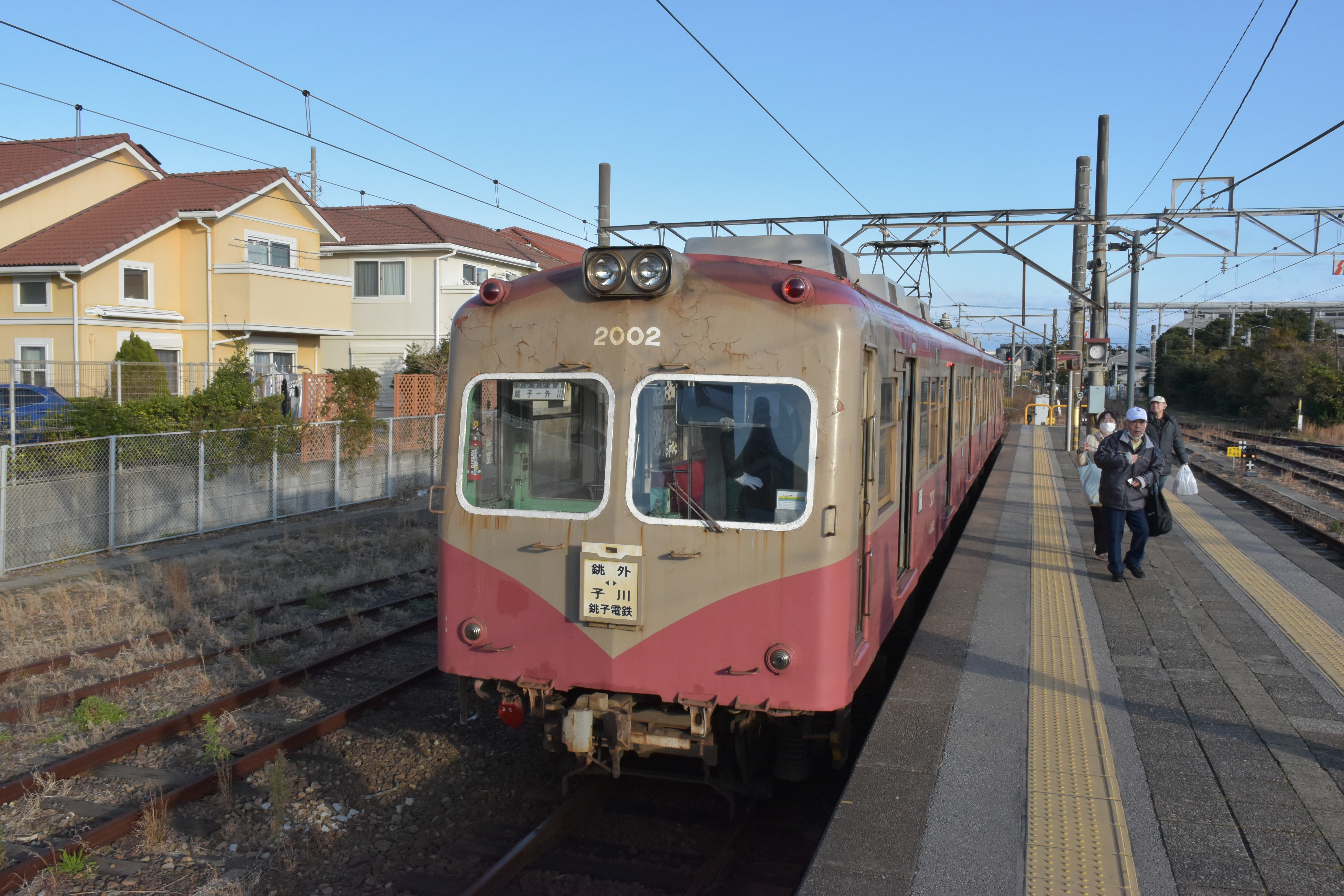
Back at Choshi.
Unfortunately, the Shiosai limited express operates very irregularly. There are four trains from Choshi to Tokyo a day, departing at 7:42, 10:11, 12:22 and 17:35. That’s not a very regular pattern, and services are focused on the main load direction (towards Tokyo in the morning, and out of Tokyo in the evening). Thus I had to use the local train, and change at Sakura.
Saturday December 20th - Yokohama and Mishima
I decided to go to Yokohama - however, when I arrived, it turned out the weather was… not great. After five days of sunshine, it was now raining. A lot.
I paid a quick visit to the Akarenga Warehouse, a set of Victorian-style redbrick warehouses, formerly part of the Yokohama harbour and now used as a shopping mall after the surrounding area has been redeveloped. These buildings are featured in the 90s video game “Racing Lagoon” which I became obsessed with for a while this autumn, and seeing them in real life was interesting. Around this area, there are also the remains of Yokohama Minato (Harbour) station.
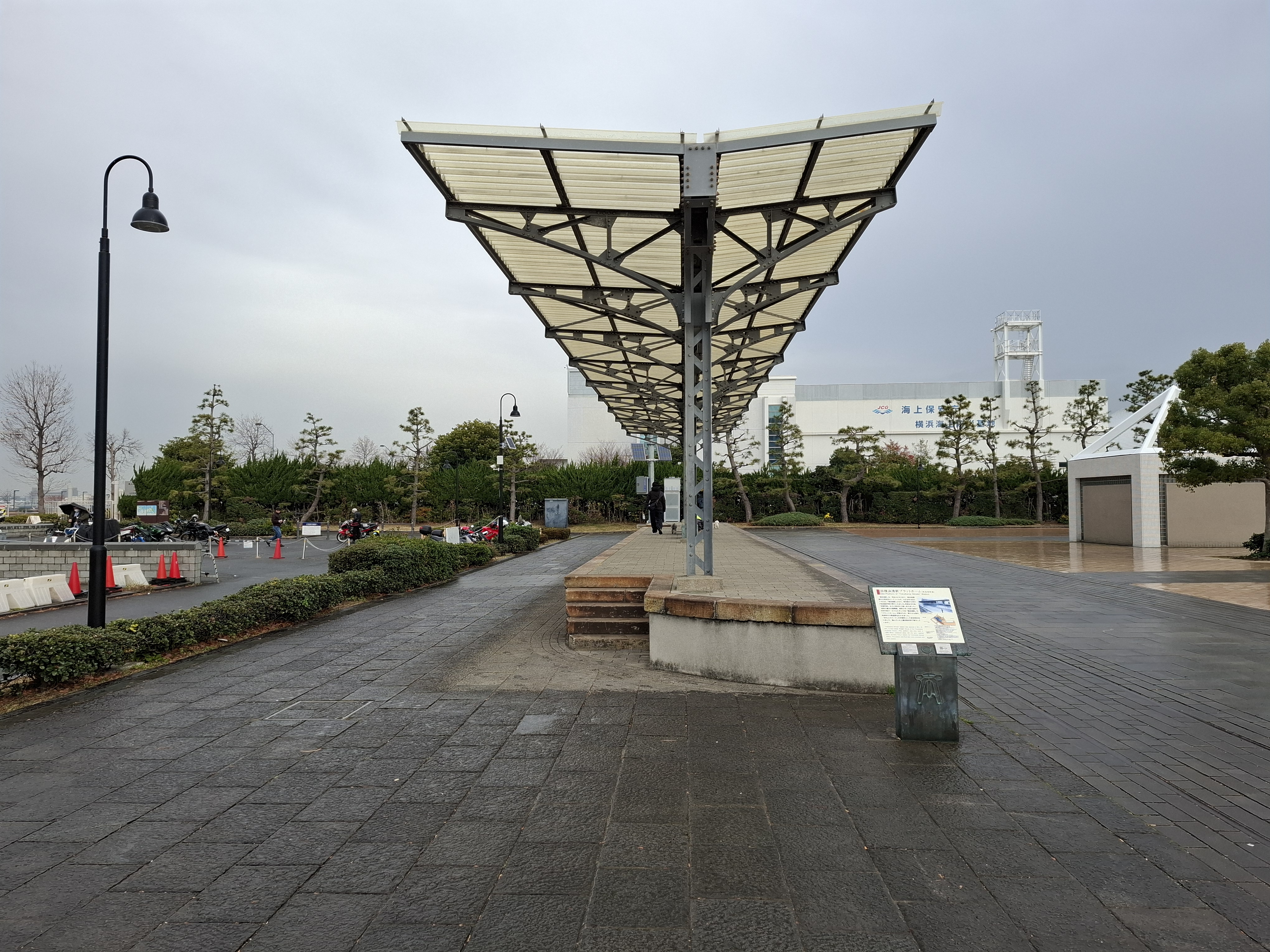
But after a short walk around this area, I decided I was not in the mood to get drenched, and would much rather just watch the scenery from a train to wherever. So I took the ropeway back to Sakuragicho, which offered a nice view of the area. Then, I took a short ride on both lines of the Yokohama subway. While the system only has two lines, they still somehow managed to build them to completely different standards, as the Blue Line is using conventional EMUs and the Green Line is using a linear motor system.
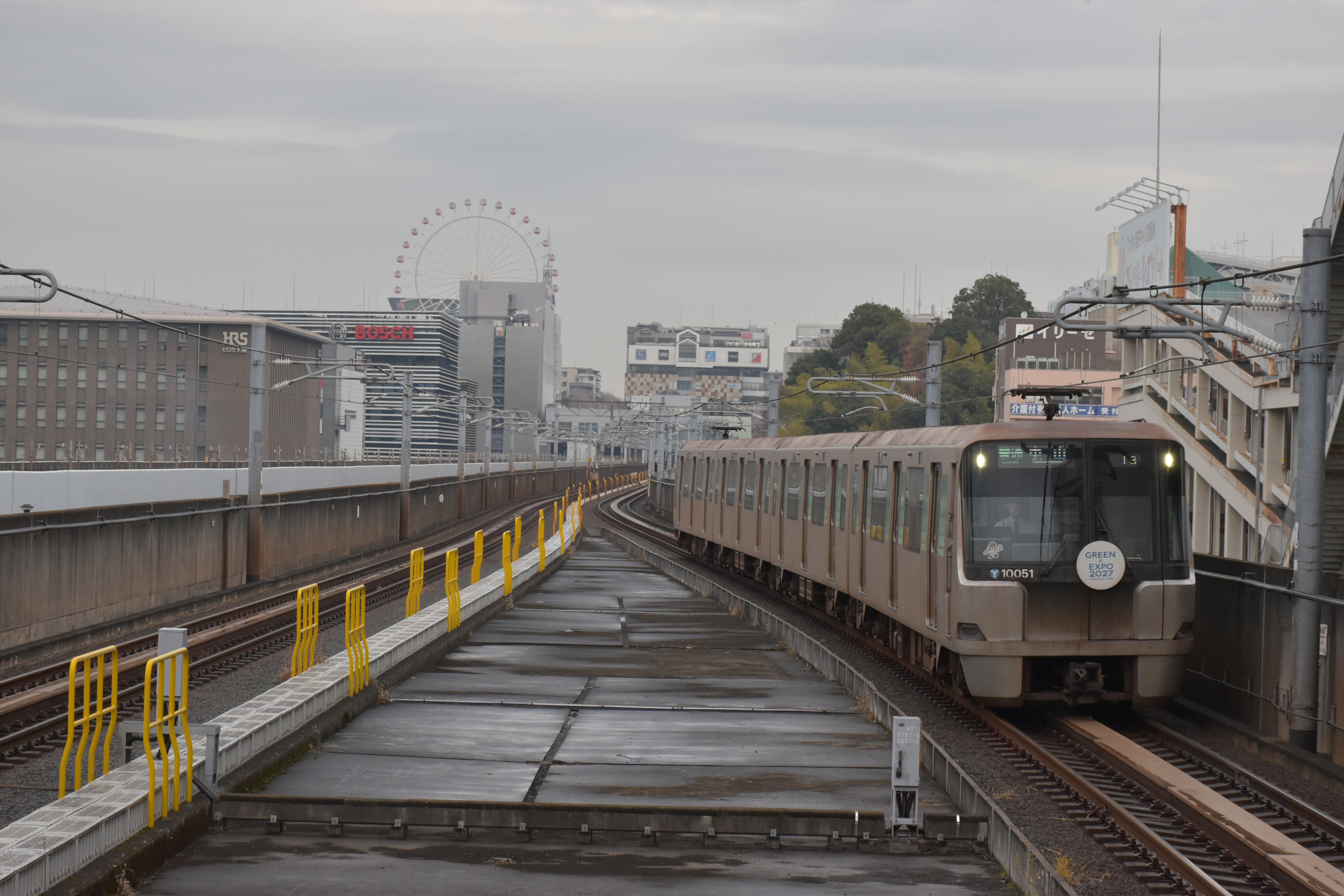 A Green Line train approaching Center Minami
I decided to ride the Odoriko Limited Express to Atami, my first foray into JR Central territory. Since Tokyo is in JR East’s area and Osaka in JR West’s, I did not get to see a whole lot of JR Central’s conventional railways. (The Shinkansen between Tokyo and Osaka is operated by JR Central in its entirety.)
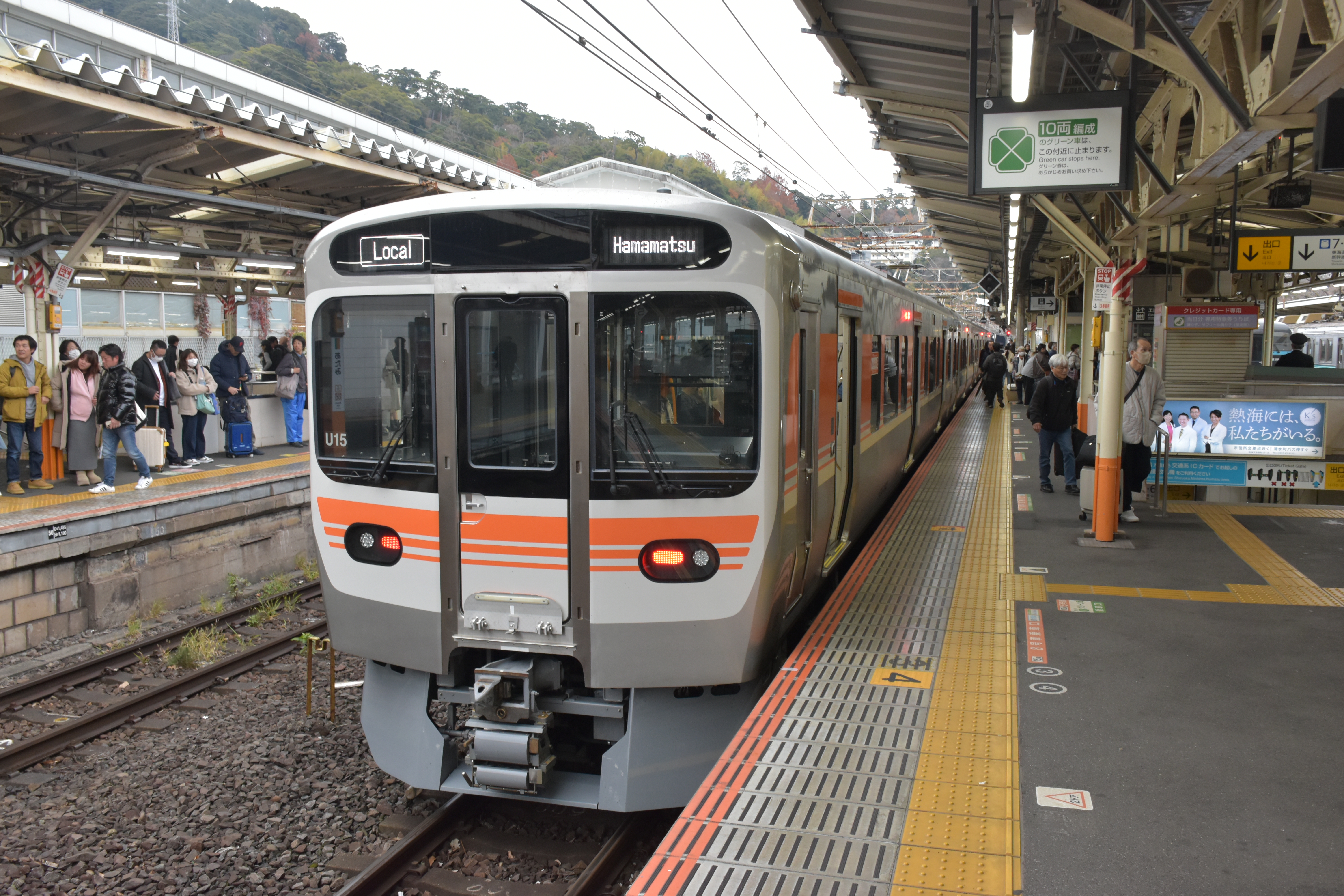
I then went onwards to Mishima, two stations further down the Tokaido Line, on this lovely local train. All the following photos were taken there.
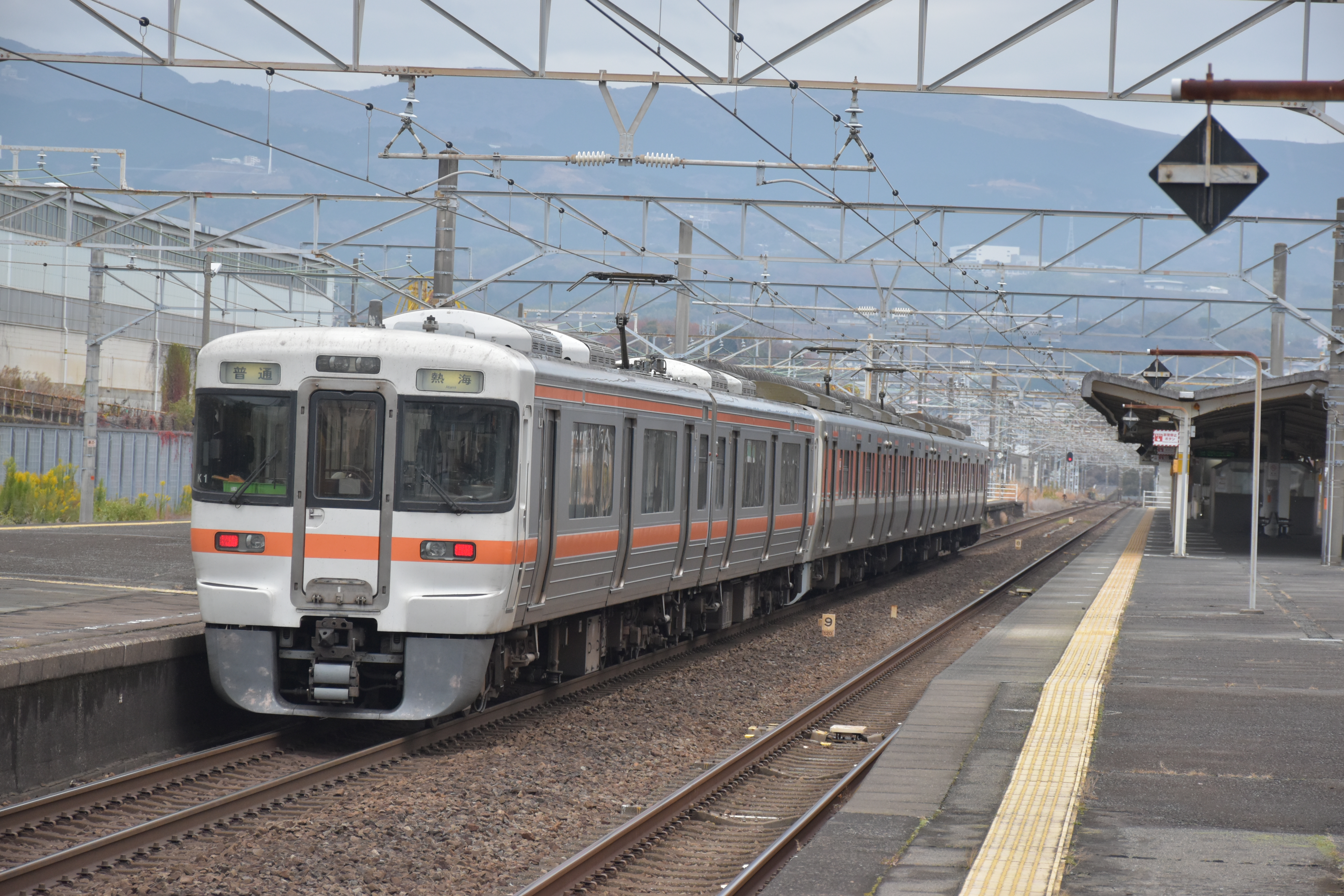
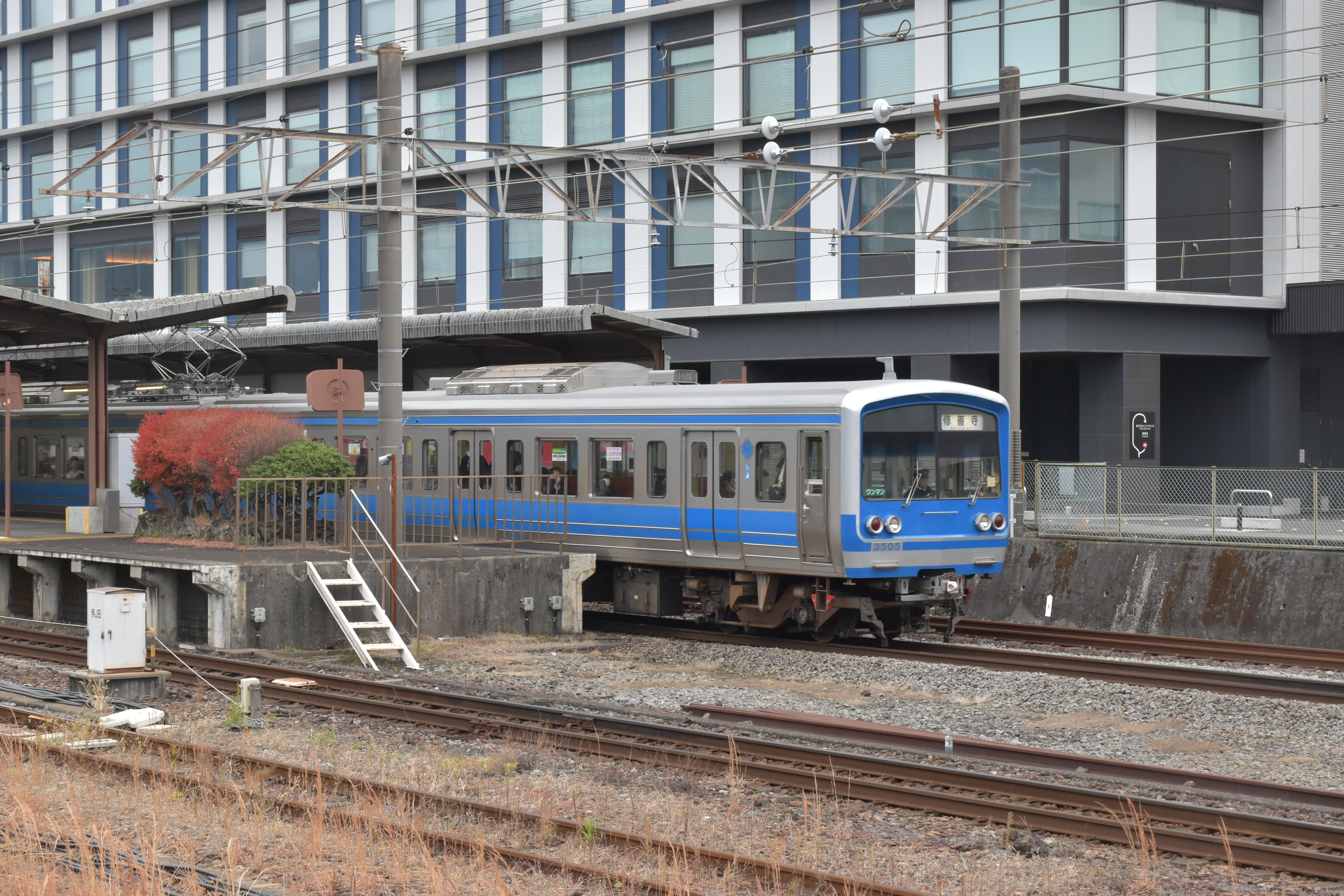
This train is owned by the Izuhakone Railway, whose line diverges from JR’s Tokaido Line here in Mishima. The Odoriko Limited Express I took to get to Atami actually continues onto their line and serves popular tourist destinations among the Izu peninsula. (If I remember correctly, a big chunk of this year’s anime “There’s No Freaking Way I’ll Be Your Lover! Unless…” is set here.)
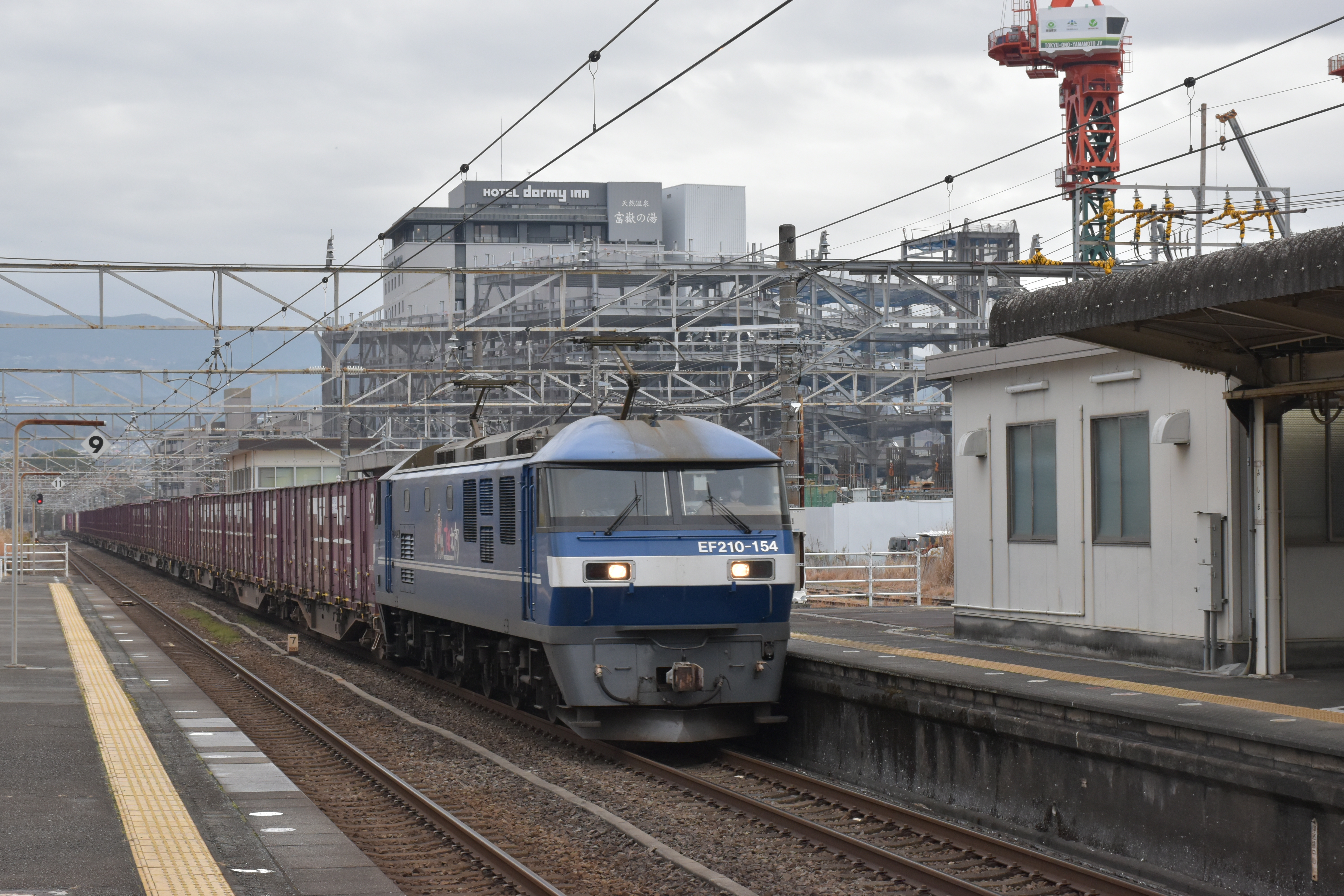
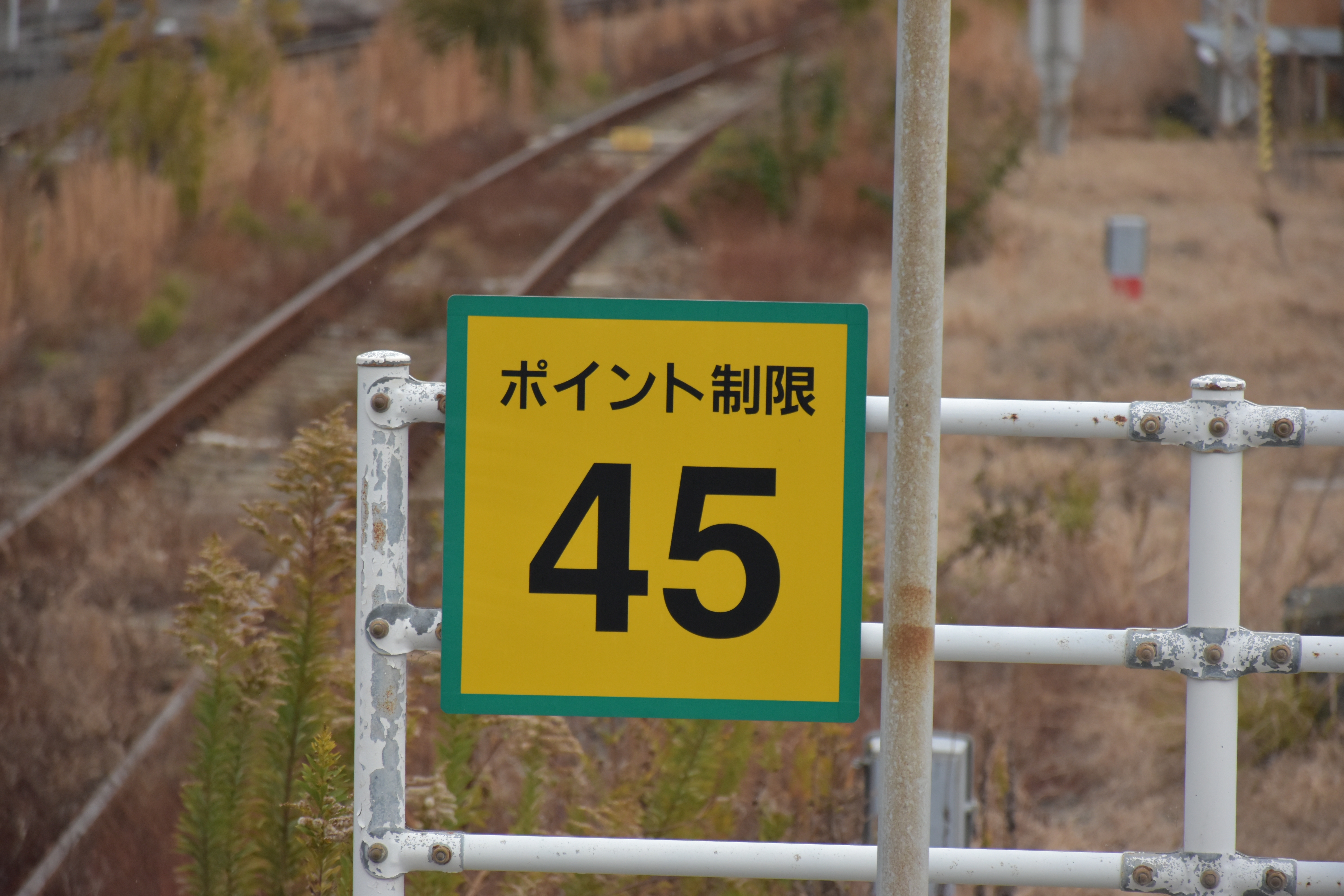
This sign means “Points Limit 45 km/h”.
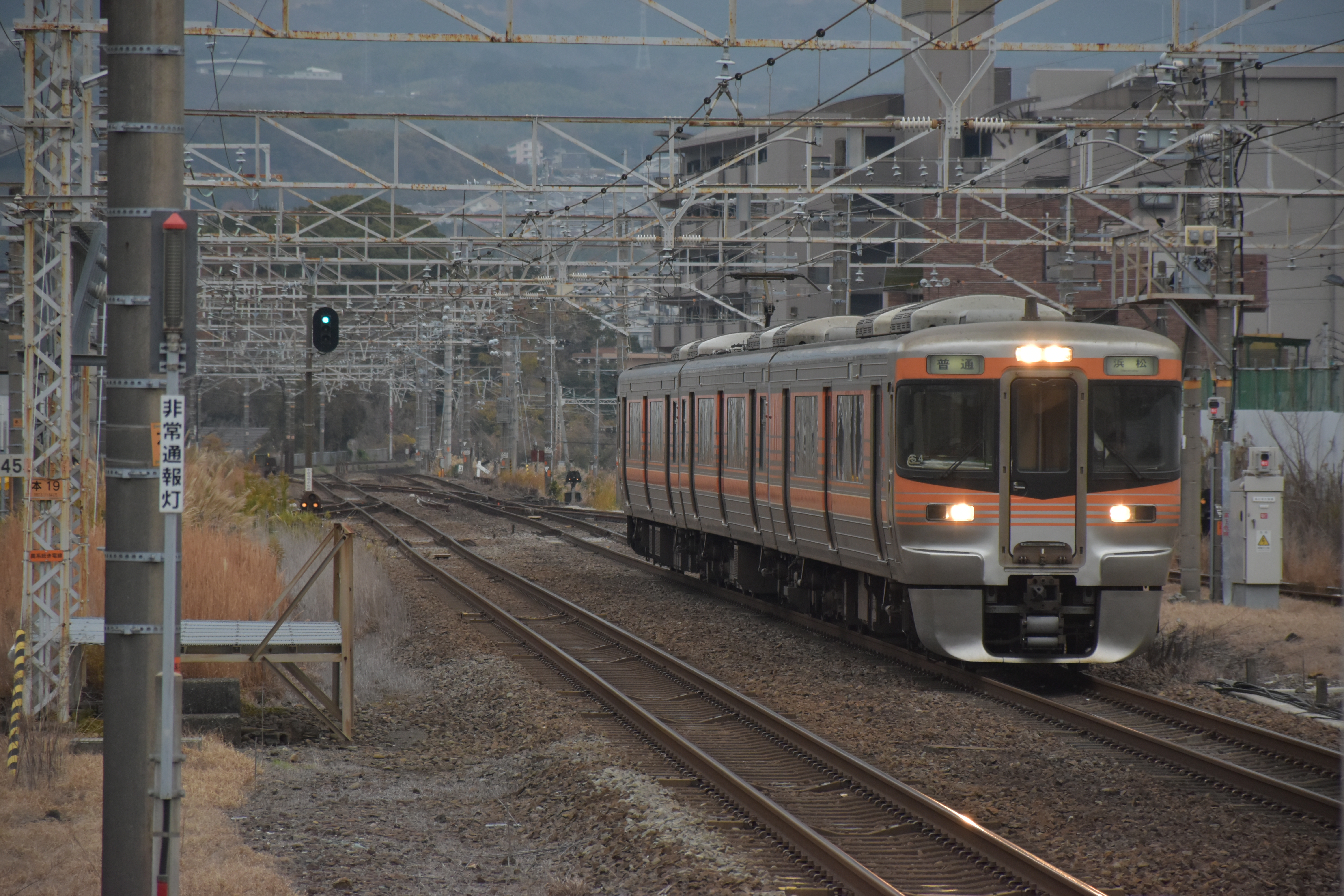
From there, I returned to Tokyo via the Tokaido Shinkansen. In the evening, I did a bit of shopping in Akihabara and pulled a nice gacha capsule.
Sunday December 21st - Nagano. Why.
Tokyo’s many commuter lines see a relatively high turnover of vehicles. Thus, if you want to see older trains, you usually have to go out of the city.
For this reason, I decided to go to Nagano. There, I was hoping to see the JR 211 Series, as well as the various second-hand vehicles used by Nagano Dentetsu and Shinano Railway. Unfortunately, Shinano Railway were only operating their more modern vehicles today, and their JR 115 and 169 Series trains were nowhere to be seen. Some health issues also reared their head, getting in the way of extensive photography and forcing me to return to Tokyo earlier than I had planned.
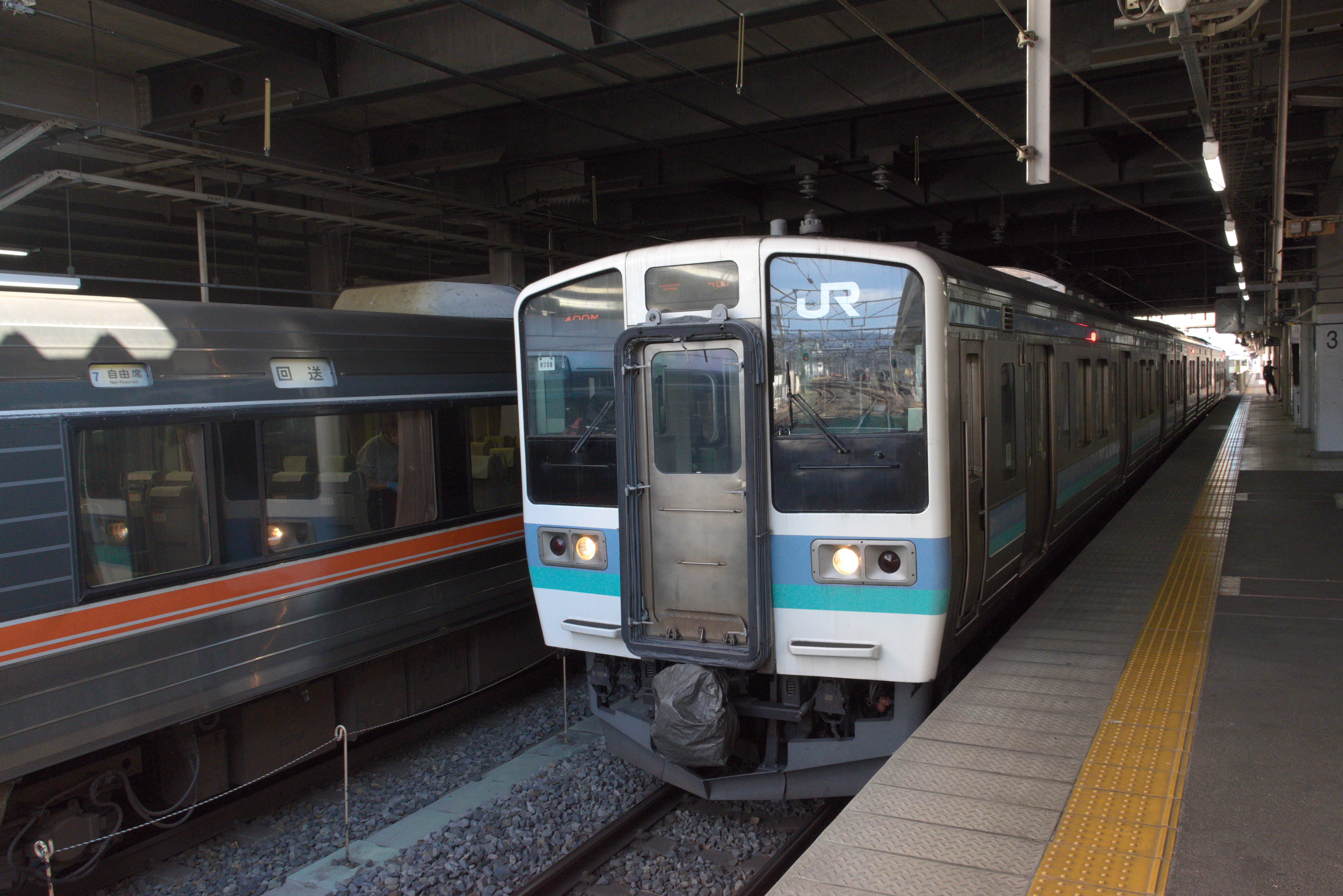
I have a soft spot for the 211 Series, but I had other priorities today, so I did not write this one.
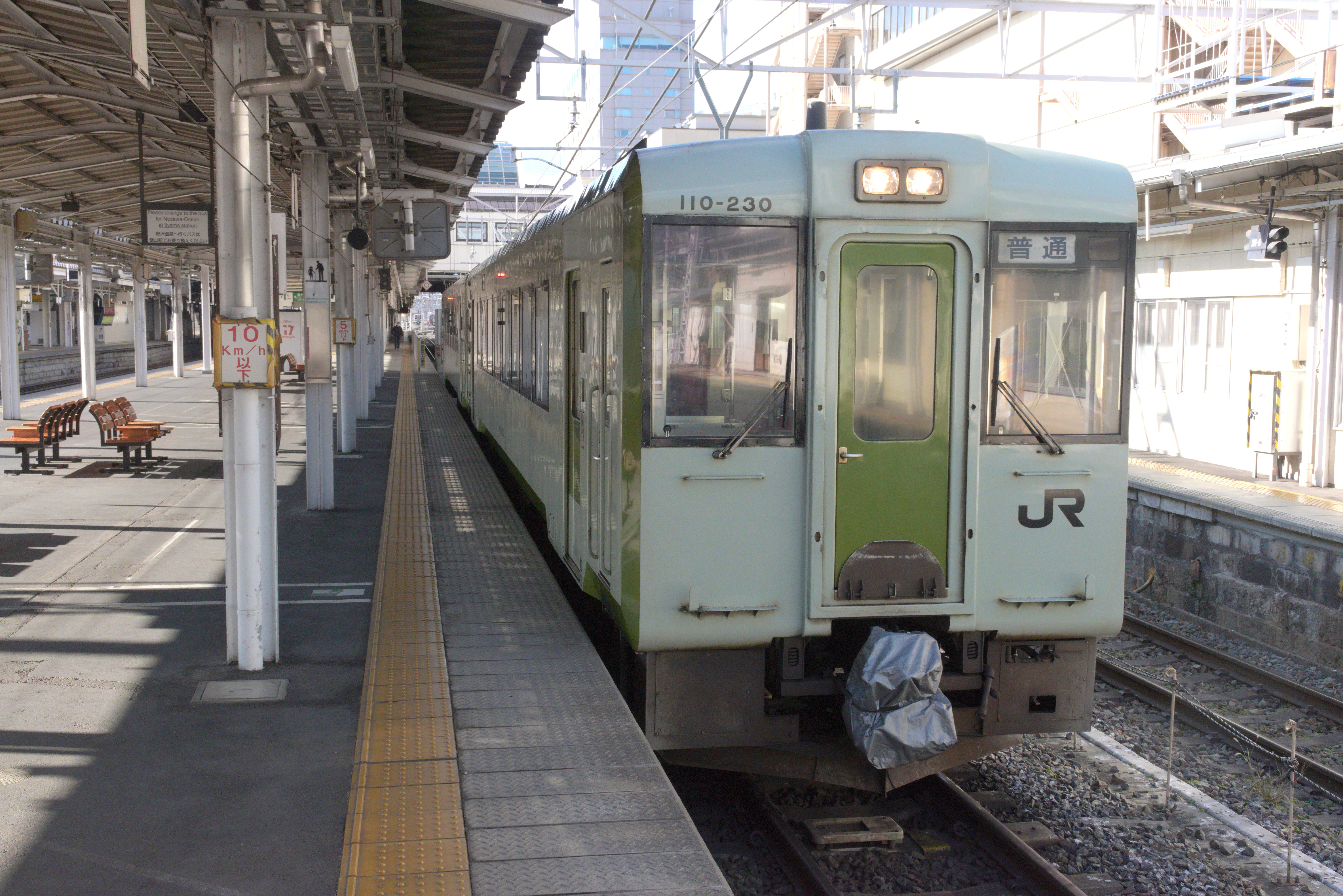
A KiHa 110 diesel railcar - the first diesel railcar I saw in operation, actually.
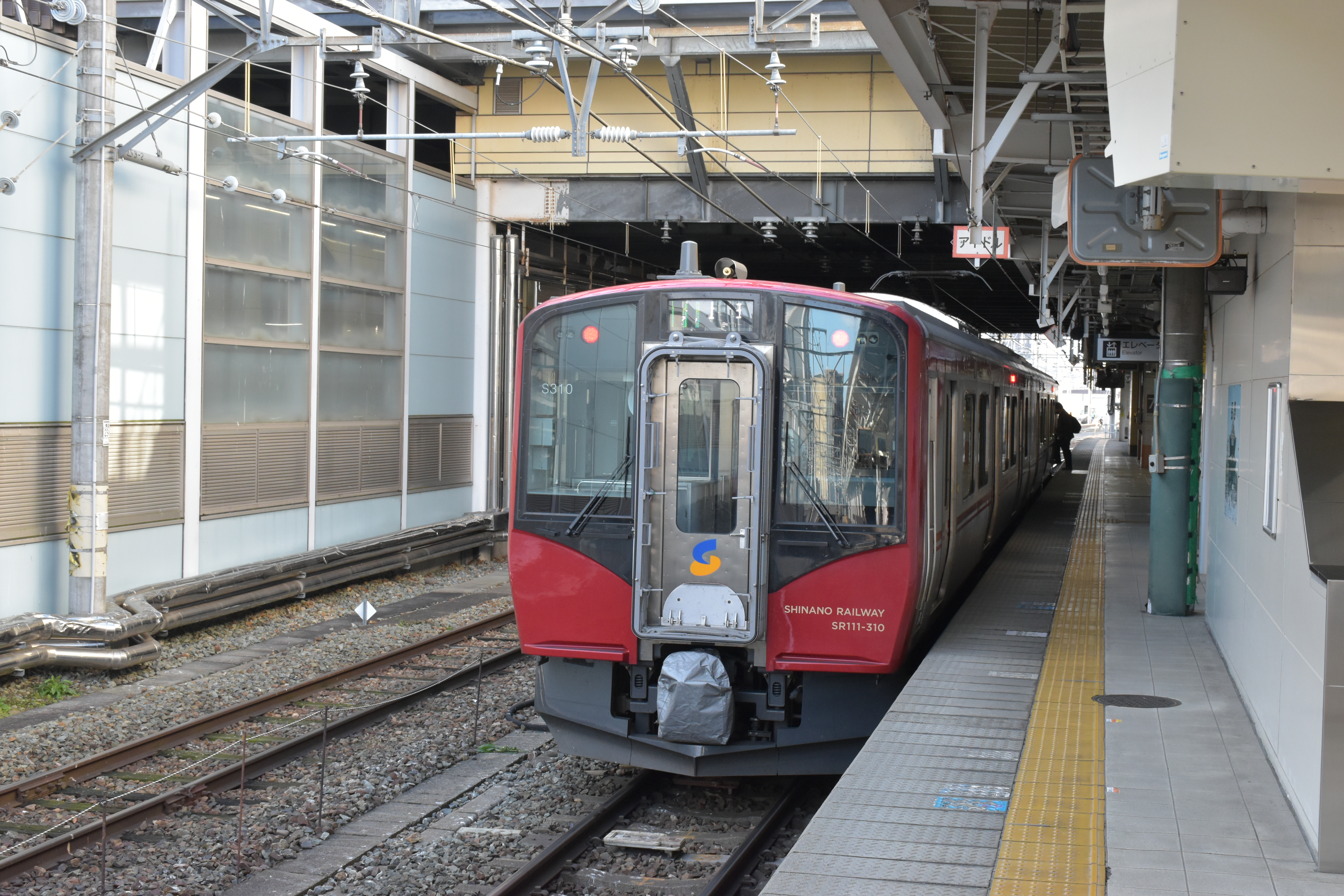
Shinano Railway’s SR1 series is largely based on JR’s E129 series.
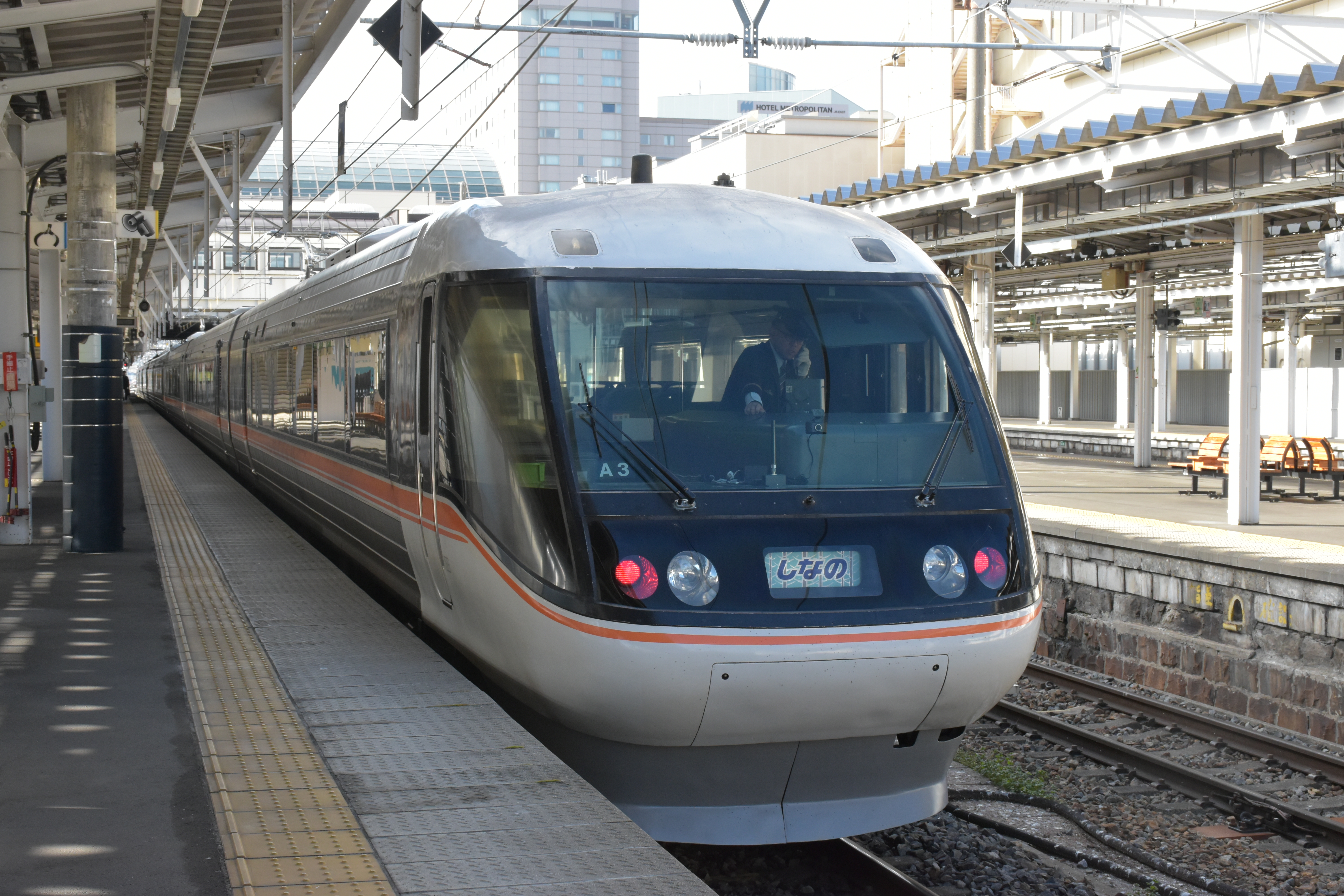
JR Central runs Limited Express services into Nagano.
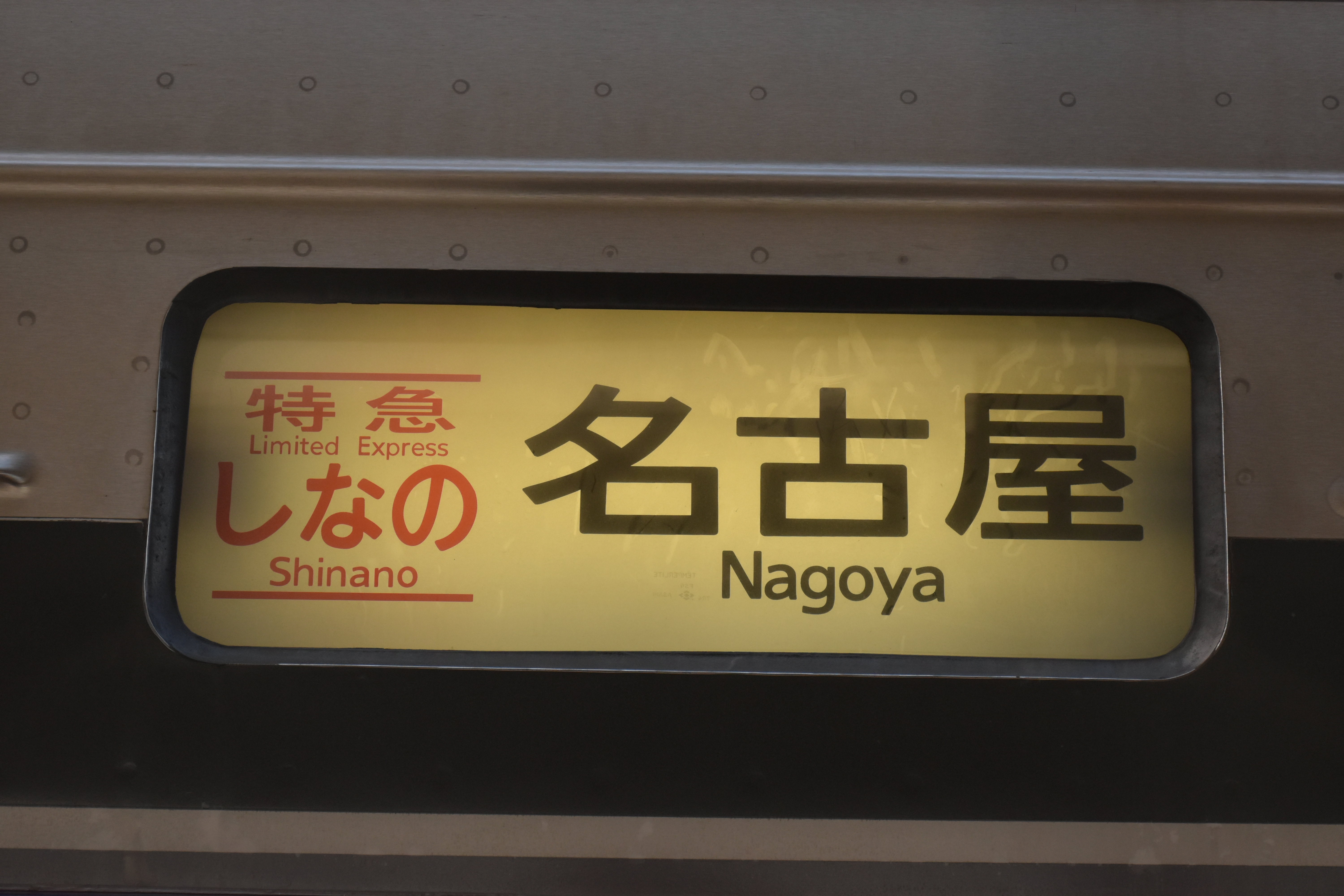
The 383 series, used for those Limited Express services, still has analog destination displays - something else that is rare in Tokyo.
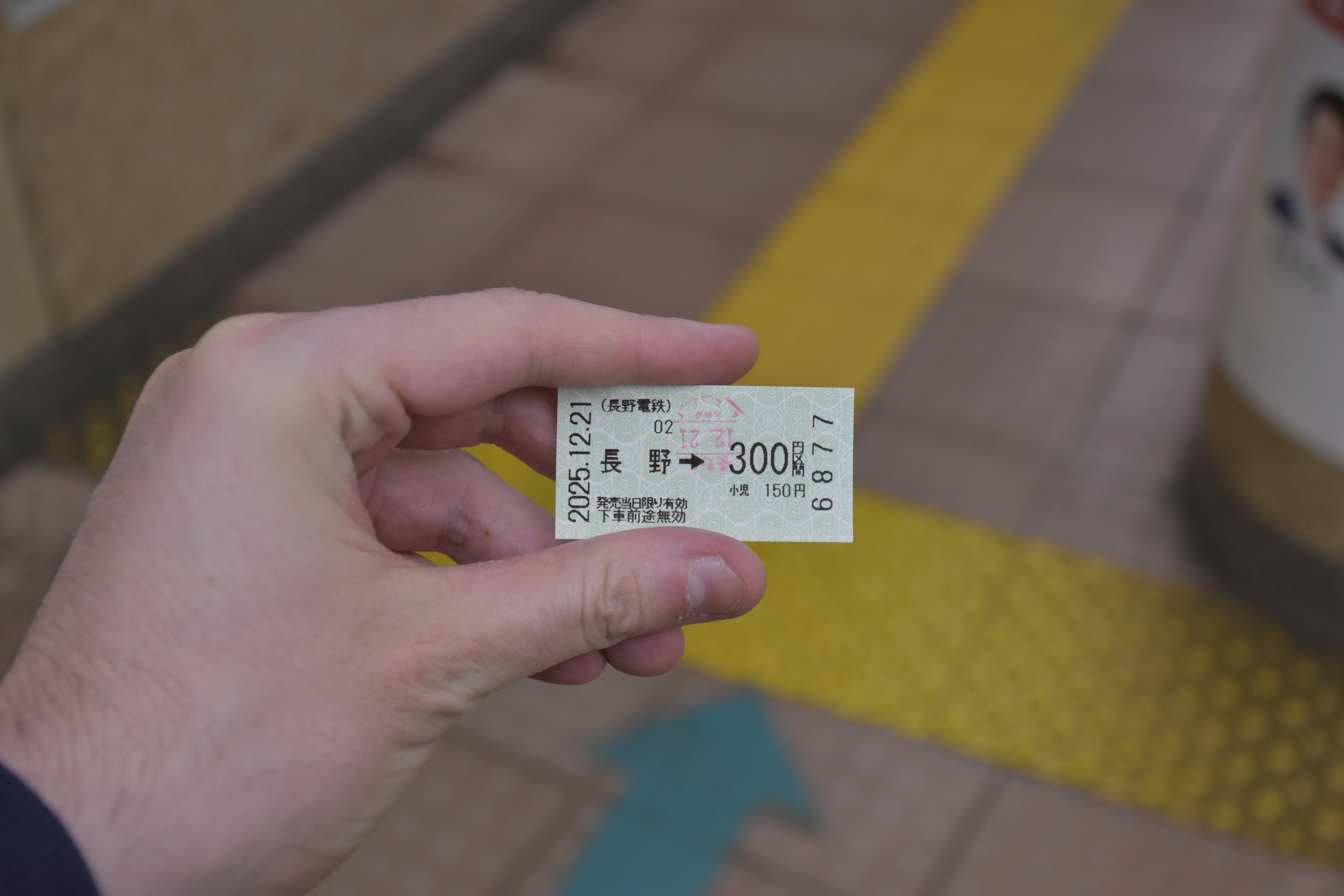
Onward to Nagano Dentetsu. My SUICA chip card is useless here, only paper tickets are accepted. This one contains the starting station (長野, Nagano) and the price category (300 yen) for my chosen destination.
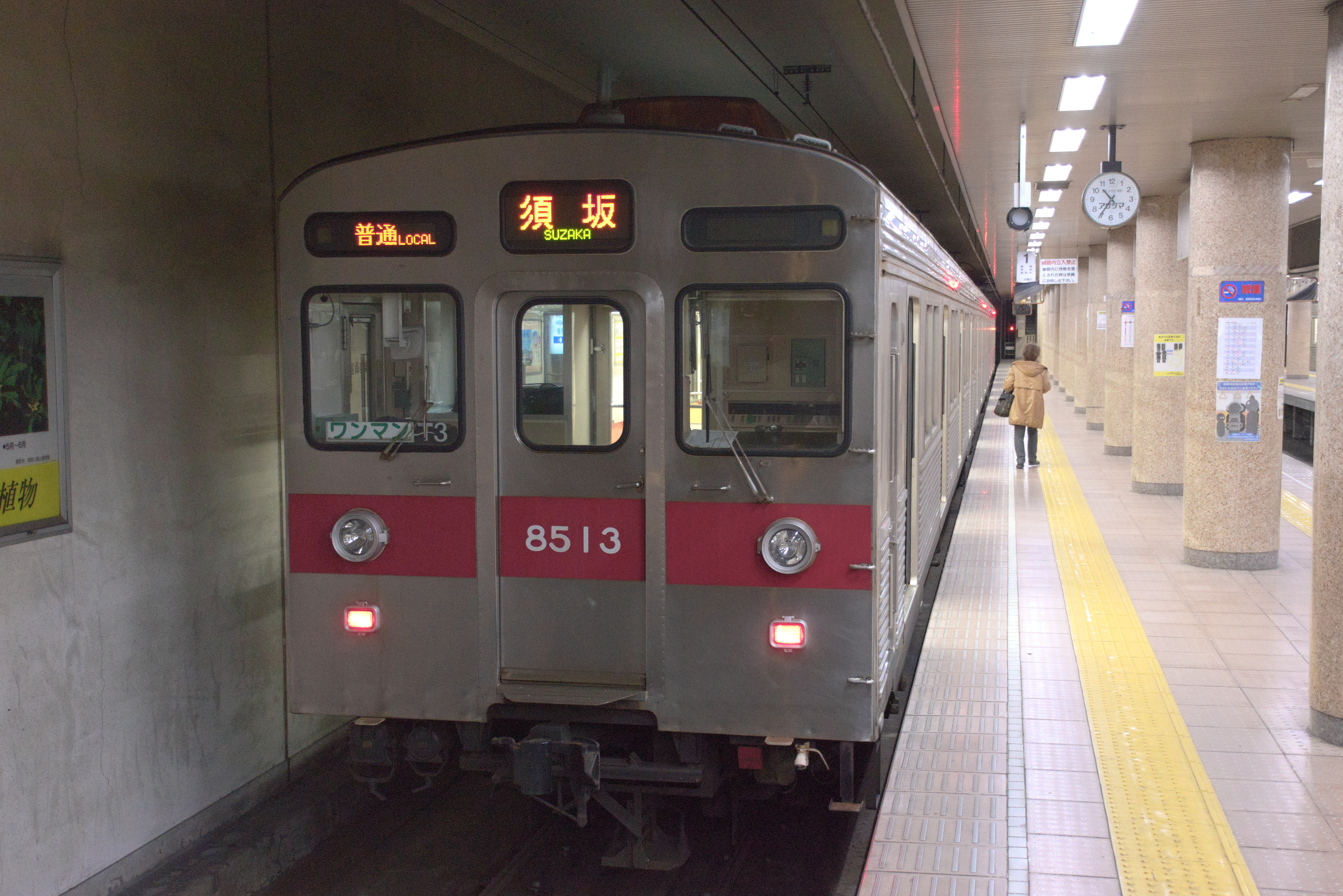
Nagano Dentetsu’s 8500 series is second-hand from Tokyu (where it was also classified as the 8500 series). Other Nagano Dentetsu vehicles include some former Odakyu “romancecars”.
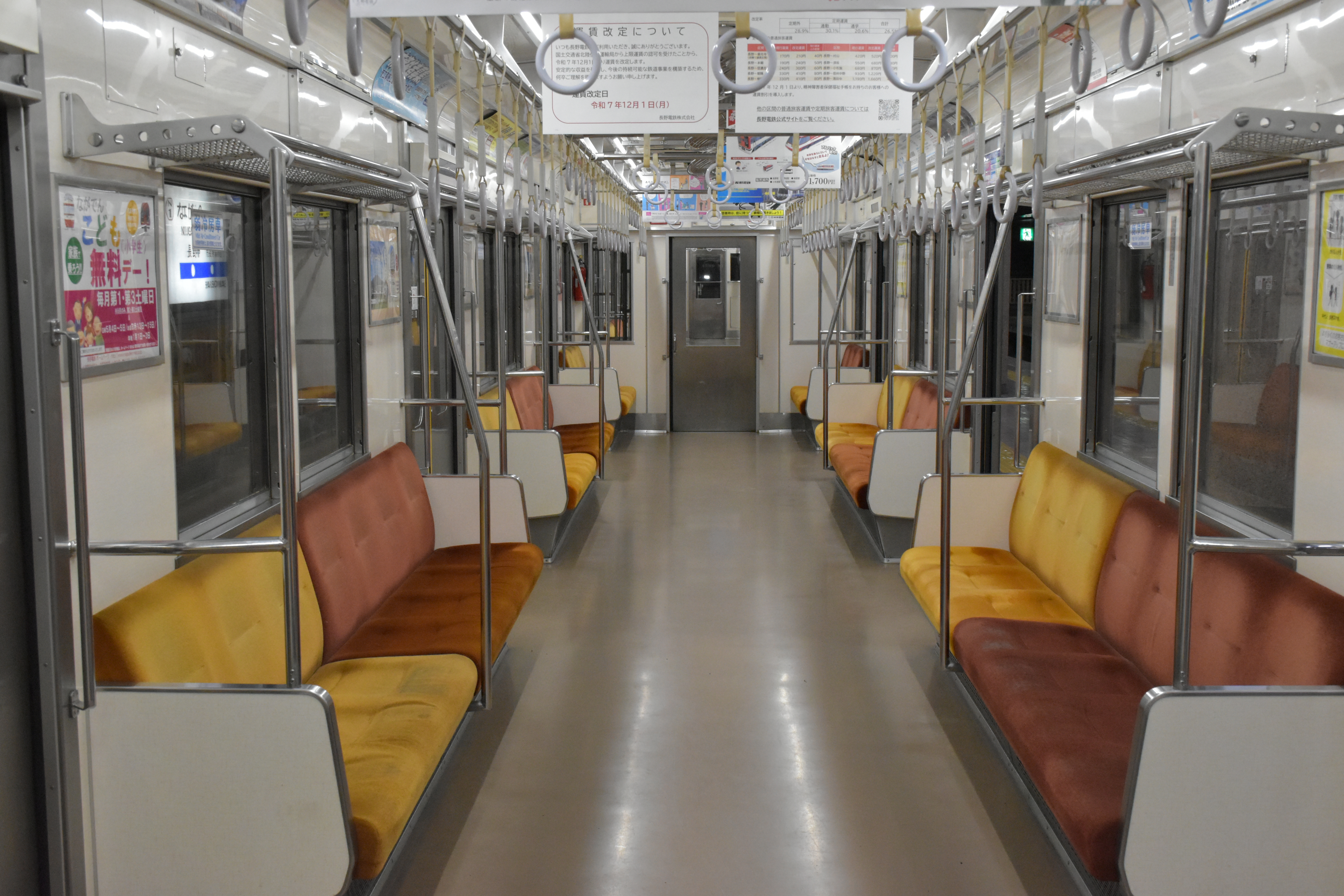
8500 Series interior - the colors are a bit outdated, but it is comfy.
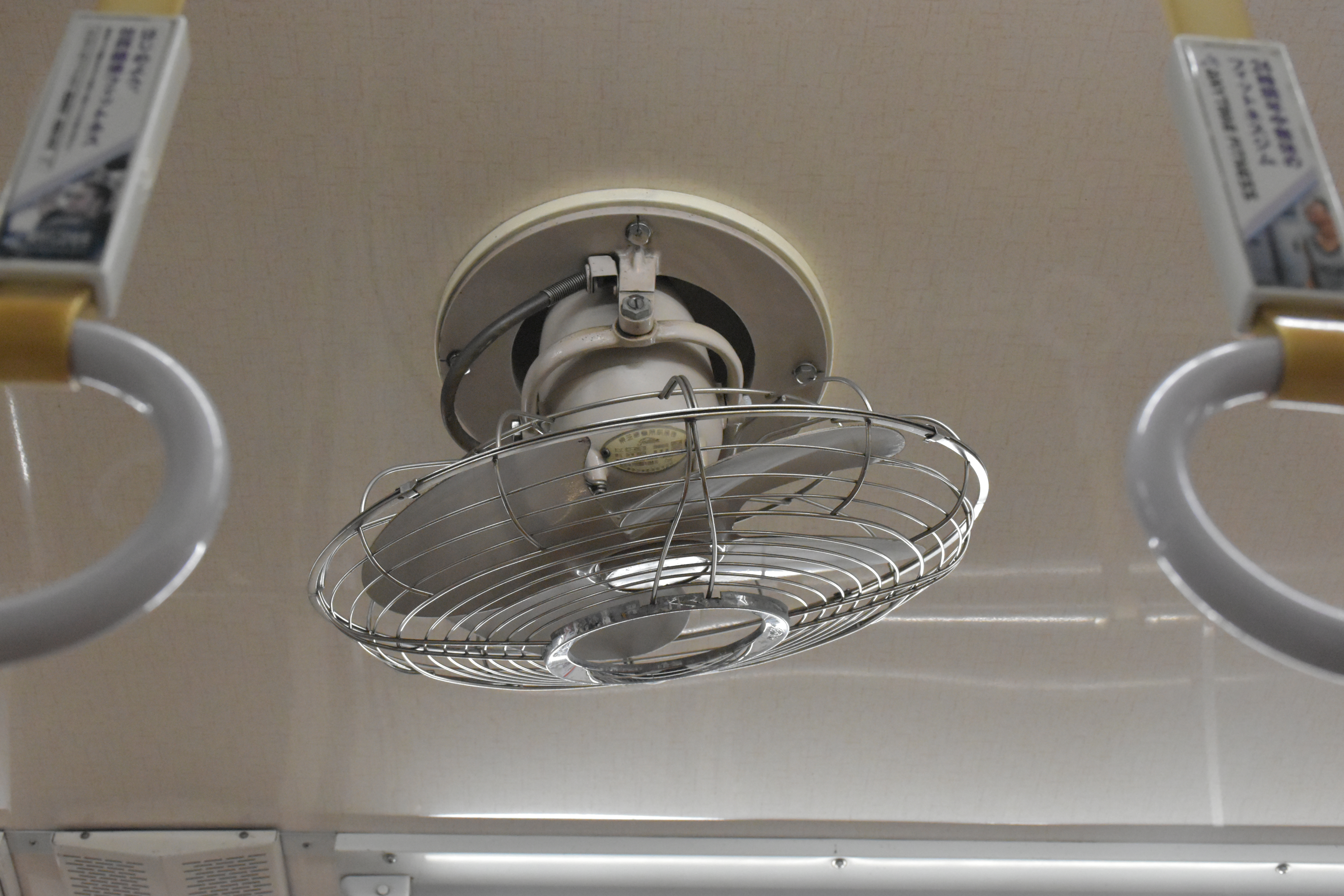
8500 Series ceiling fan
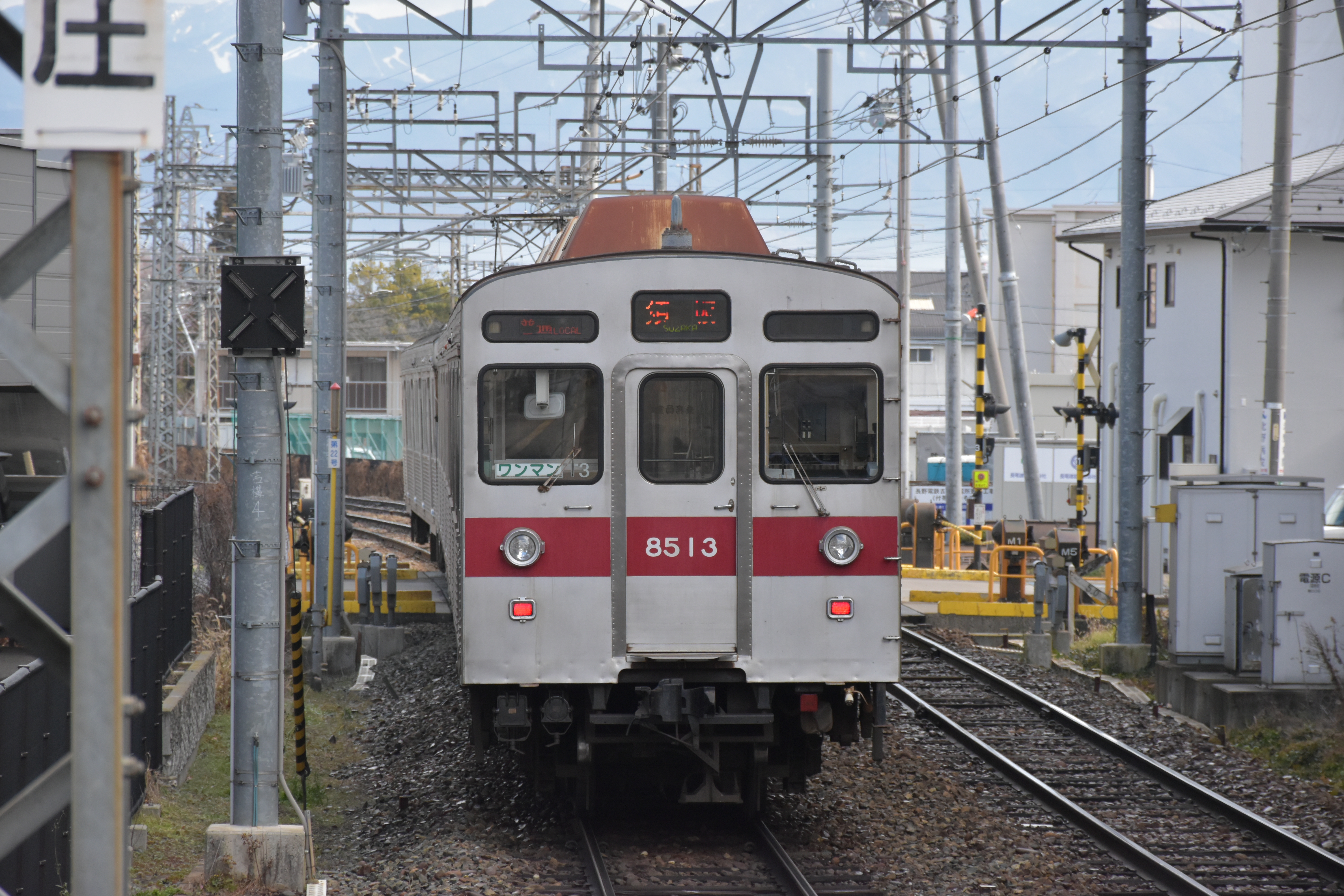
8500 Series leaving Shinano-Yoshida station. From here, passengers can walk to the nearby Kitanagano station on the JR and Shinano Tetsudo lines.
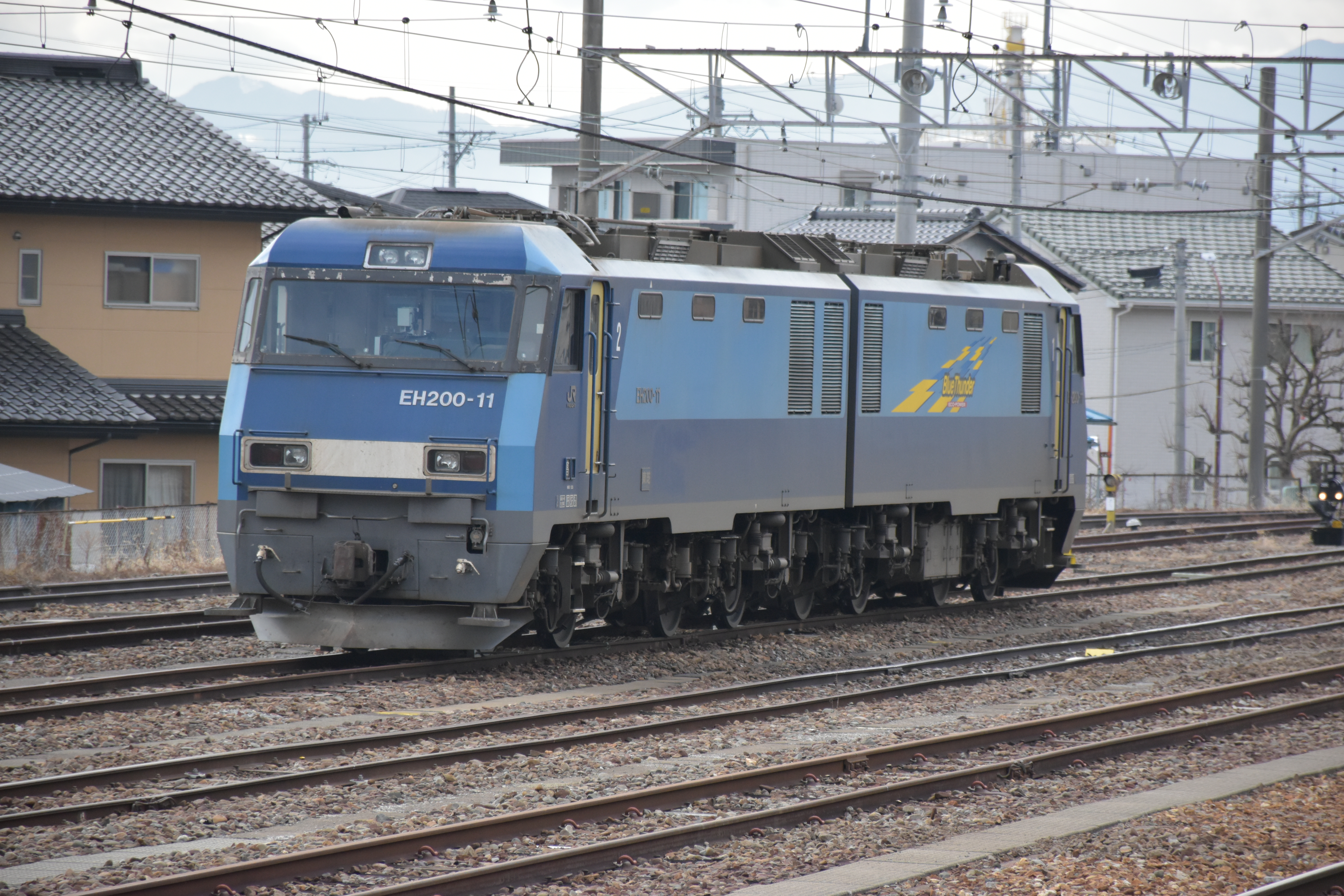
I did not see many locomotives during my trip. This EH200 (E for electric, H for 8 axles) was a sight for sore eyes.